Ireland’s 5.38 million people, 80% indigenous Irish per the 2022 Census, stand on the edge of losing their distinct culture—a mosaic of Gaelic traditions and local histories—under an immigration wave they neither voted for nor want.
In the year to April 2024, 149,200 newcomers arrived, nearly 3% of the population, outstripping the 55,600 Irish births in 2023. Of these, 86,800 came from non-EU/UK countries, including 110,575 Ukrainians under EU mandates. This relentless influx sparks fear that the Irish identity, cherished and unique, is fading fast.
The government, seen as yielding to Brussels, backs the 2026 Migration Pact, prioritizing asylum rules over local voices. With 20% of residents—1.08 million—born abroad, from Poland to India, the indigenous Irish feel erased. The housing crisis, with 130,000 vacant properties, leaves locals struggling while newcomers fill hotels. Asylum claims surged in 2023, and the UK’s open border adds more, despite 59% of voters demanding tighter controls in 2024 polls. The disconnect fuels dread.
❌BREAKING❌ Please share ☘️☘️
— TheLiberal.ie (@TheLiberal_ie) June 7, 2025
“Ireland has risen, the people have had enough”😲
Massive crowds of #IrelandisFull citizens march through the Cork city demanding the gov listen to concerns about migrants being planted in their communities 🇮🇪
Please follow us and share ✅
More… pic.twitter.com/aeNhlbx30g
Communities, desperate to preserve their heritage, resist. Protests—307 in 2022, 169 by mid-2023—swept Dublin, Cork, and Wexford. In April 2025, 10,000 marched in Dublin, their anger shaking the capital. Some, pushed to breaking, turn violent—Dublin’s 2023 riots and torched refugee centers reveal fear morphing into fury. Immigration looms large for 37% of voters in 2024’s elections, yet no major party fully champions their cause.
Could this spiral into civil war?
Tensions—housing shortages, job competition, cultural erosion—suggest a 25% chance of conflict by 2030, factoring in economic strain and sporadic violence. It’s not imminent, but the risk is real. The indigenous Irish, rooted in their ancestral land, watch their culture slip away, unasked and unwanted, under policies that seem to betray them. They fight not out of malice but from a deep fear of losing what makes Ireland theirs.
A dramatic statement from Northern Ireland - a part of the UK receiving the 'boat people' from FranceIslamabad 🇵🇰? No it is Dublin 🇮🇪
— Frankie™️🦅 (@B7frankH) June 7, 2025
Ireland is on the brink of becoming the first country in Europe to plunge into a full-blown civil war over immigration.
The government and police are struggling to maintain order in major cities as protests and acts of civil disobedience… pic.twitter.com/Xeul6VVeyK
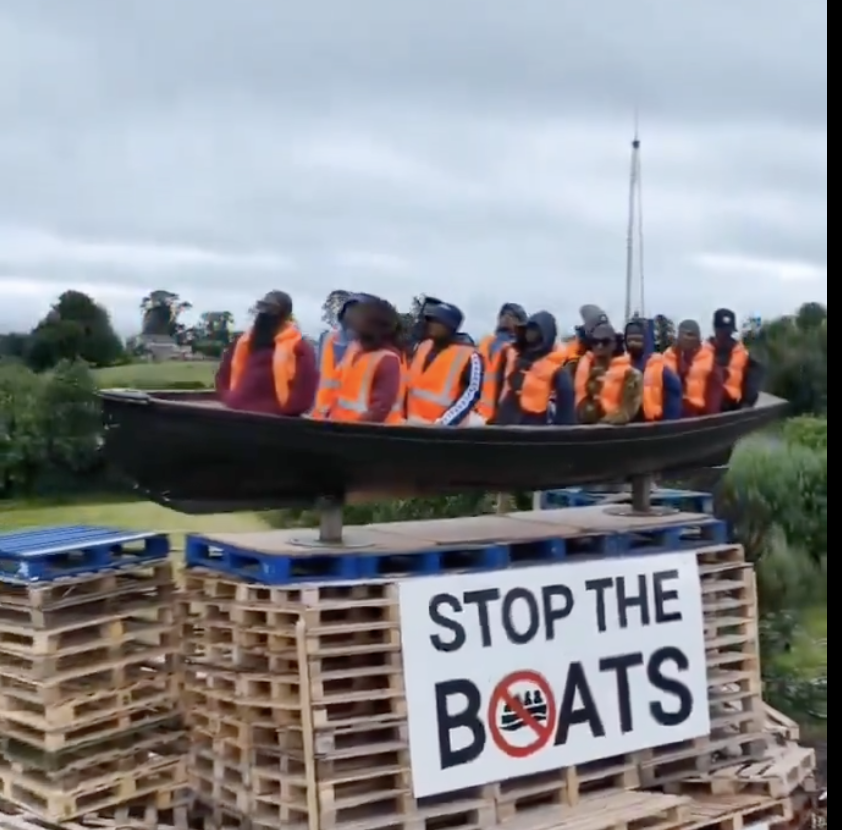
Moygashel Bonfire, Northern Ireland Tomorrow Night 10.30pm 🔥
— Active Patriot (@ActivePatriotUK) July 9, 2025
The message is CRYSTAL CLEAR
🛑 STOP THE BOATS 🛑 pic.twitter.com/2pW1t9OCHQ