Not a lot leaves me utterly speechless but…
— Bernie (@Artemisfornow) August 16, 2025
Larry Fink Chairman and Chief Executive Officer (CEO) of BlackRock…
… has just been appointed Co Chair of the WEF.
It’s a mic drop 🎤 pic.twitter.com/LNUzb72ADr
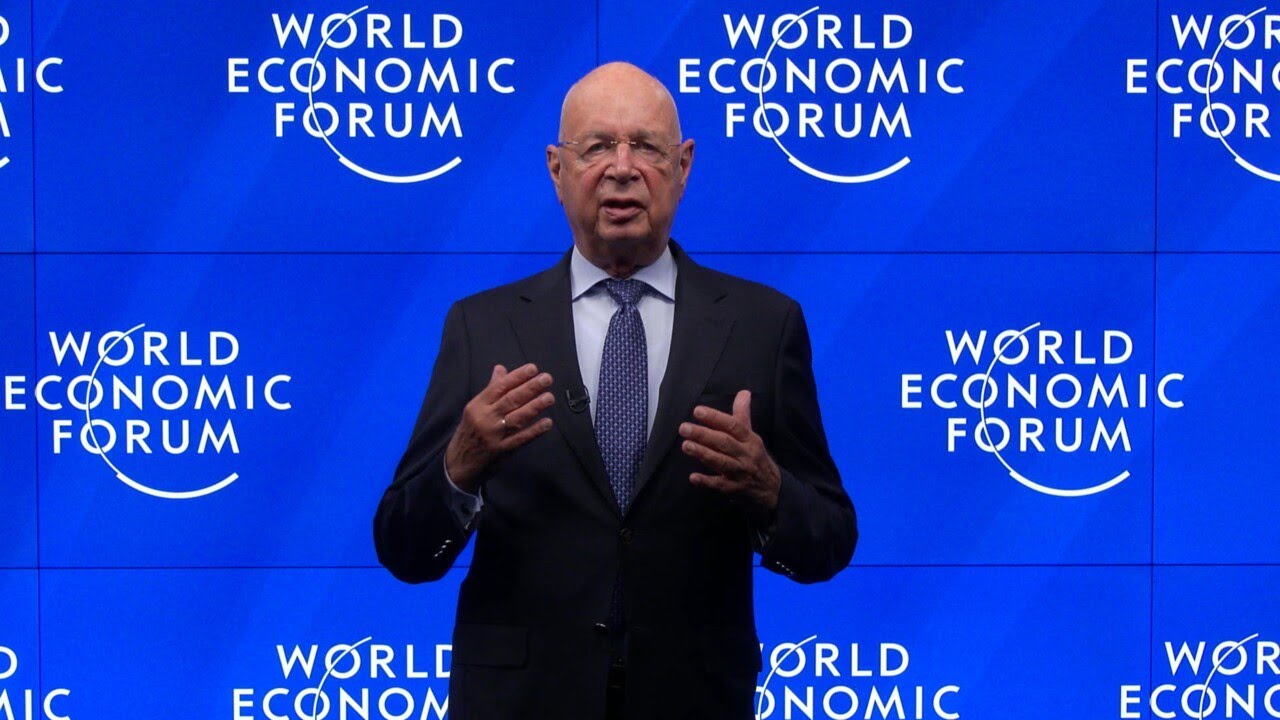
Larry Fink, the Chairman and CEO of BlackRock, was appointed Interim Co-Chair of the World Economic Forum (WEF) on August 15, 2025, alongside André Hoffmann, following an investigation that cleared founder Klaus Schwab of misconduct. The WEF described Fink’s appointment as part of a strategy to increase transparency and bring new perspectives to the Forum’s leadership, emphasizing his global financial expertise amid evolving economic challenges.
Fink, 72, co-founded BlackRock in 1988, transforming it from a bond-trading unit into the world’s largest asset manager with over $10 trillion in assets under management (AUM). A pioneer in exchange-traded funds (ETFs) via iShares, he has championed sustainable investing, urging companies to prioritize environmental, social, and governance (ESG) factors. However, his reputation is polarizing: critics accuse him of “woke capitalism,” pushing progressive agendas that allegedly harm shareholder returns, and of excessive influence over markets and politics. Republicans have targeted BlackRock for ESG policies, labeling them as anti-business, while others criticize his ties to China and perceived short-termism opposition.
BlackRock’s operations span global asset management, advising governments and institutions. It manages vast portfolios in stocks, bonds, and alternatives, including real estate. Controversy surrounds claims of BlackRock “buying up” U.S. homes to inflate prices and create rental monopolies, often cited as exacerbating housing shortages. In reality, BlackRock does not directly purchase single-family homes en masse; such activities are more associated with firms like Blackstone, which buys for rental income in growing markets post-2008 crisis. BlackRock invests indirectly via funds and REITs, aiming for diversified returns amid low yields elsewhere, though critics argue this contributes to affordability issues.
Reconciling Fink’s NWO reputation with his recent Financial Times op-ed, where he calls for rewriting globalization rules to prioritize local communities over corporate profits, reveals a nuanced figure. He advocates channeling citizens’ savings into domestic businesses and infrastructure, citing examples like Japanese retirement reforms and U.S. “baby bonds” to empower workers as investors. While detractors view this as hypocritical communitarianism from a Wall Street giant, it aligns with Fink’s long-standing push for stakeholder capitalism—balancing profits with societal benefits. This perspective could infuse WEF with pragmatic, market-driven inclusivity, bridging his criticized elite status with calls for equitable growth.