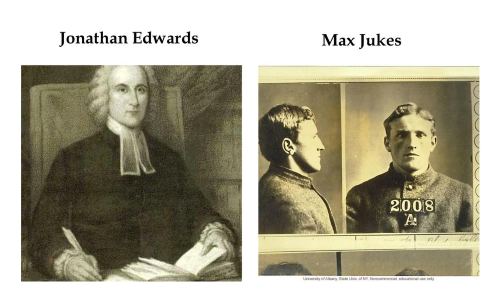
In a world where the decisions we make today can echo through generations, the story of Max Jukes and Jonathan Edwards serves as a powerful metaphor for the long-term impact of our actions. This narrative, often cited in discussions about parenting, morality, and societal influence, highlights the profound differences that can arise from seemingly similar starting points.
How a man's actions doomed many generations of his bloodline pic.twitter.com/zBXC6Scmwe
— De Christian Life (@DeChristianLife) October 6, 2025
The Story Unfolds
Imagine a scenario in 1870, where a man working in a prison discovers a startling pattern: 42 inmates all trace their lineage back to the same great-great-grandfather. This ancestor, known as Max Jukes, lived a life marked by vice and irresponsibility. A bum, a thug, and a womanizer, Jukes fathered 11 children with various women, setting a chaotic course for his descendants.
Over five generations, the statistics of Jukes’ lineage are staggering. Among his descendants, 310 people died as paupers, 400 were chronic drunks, 190 turned to prostitution, 150 more became criminals, and 7 were murderers. This legacy of dysfunction and crime paints a grim picture of the consequences of a single individual’s choices.
A Contrast in Fortunes
Contrast this with the story of Jonathan Edwards, a contemporary of Jukes who lived nearby and also had nearly a dozen children. Edwards, however, was a teacher and a pastor, dedicated to education and moral uprightness. His influence on his family was markedly different.The next five generations of Edwards’ descendants tell a story of achievement and contribution. They produced 13 college presidents, 65 college professors, 75 military leaders, 80 public servants, 60 authors, 60 doctors, 30 judges, 100 more pastors, 100 lawyers, 3 U.S. senators, and even a U.S. vice president. This lineage became a testament to the positive ripple effects of a life devoted to virtue and responsibility.
The Metaphor of Generational Impact
The juxtaposition of these two families underscores a critical lesson: the decisions parents make today can have ripple effects for generations to come. It’s not just about what we leave to our children in terms of material possessions, but what we leave in them—values, habits, and a legacy that shapes their future and the futures of their descendants.
A Call to Reflection
This story challenges us to consider the weight of our daily choices. Are we fostering a legacy of positive influence, or are we inadvertently setting the stage for future challenges? The tale of Jukes and Edwards is a reminder that our actions, no matter how small they may seem, can have profound and lasting consequences.
Conclusion
While the historical accuracy of these accounts has been debated, the metaphor remains potent. It serves as a call to action for parents, educators, and community leaders to prioritize the long-term impact of their decisions. In a world where the past informs the present and shapes the future, the story of Max Jukes and Jonathan Edwards invites us to reflect on the legacy we are building—one choice at a time.