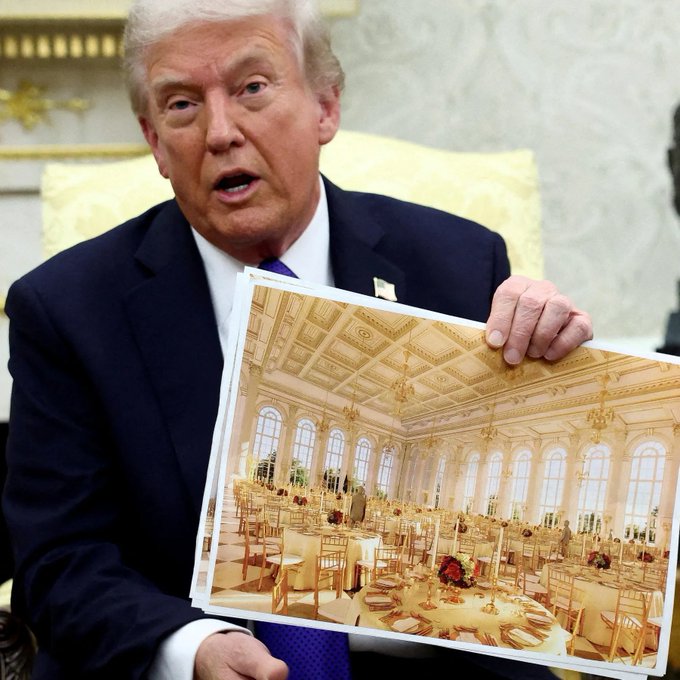
Ah, Washington, D.C.—that swampy circus where every grand idea gets buried under a pile of paperwork thicker than a lobbyist’s wallet. Enter President Donald Trump, fresh off his triumphant return to the Oval Office, swinging a wrecking ball at the White House’s East Wing like it’s an outdated hotel annex. His dream? A sprawling 90,000-square-foot ballroom to host galas that would make Versailles look like a bingo hall. Cost: a cool $300 million, bankrolled by deep-pocketed donors who apparently think the People’s House needs a touch of Mar-a-Lago glamour. But faster than you can say “permit denied,” the first serious legal salvo has been fired, aiming to turn this renovation romp into a courtroom rumble. Could it succeed? In a town where laws are as flexible as a politician’s spine, let’s unpack the mess with the kind of irreverent scrutiny that separates the bulldozers from the bureaucrats.
The Demolition Derby: How We Got Here
It all kicked off in October 2025, when excavators roared to life on the 23rd and started dismantling the East Wing—a chunk of the White House that’s been standing since folks in top hats were toasting weddings there back in 1911. Trump, never one to wait for red tape when there’s gold leaf to apply, declared he didn’t need zoning, codes, or anyone’s blessing because, hey, it’s his house now (ours, technically, but who’s counting?). By early December, construction crews were hammering away through the night, audible to anyone strolling Pennsylvania Avenue with insomnia. The plan: Replace the old wing with a massive venue for big events, funded by a mix of named heavy-hitters and anonymous benefactors. Think of it as Trump’s way of saying, “America First means parties first.”
But not everyone’s popping champagne. Polling results paint a picture of public grumbling: 56 percent oppose the East Wing teardown, with only 28 percent in favor, while another survey clocks disapproval at 61 percent, including 46 percent who strongly dislike the idea. Turns out, Americans like their history intact, even if it means skipping the disco ball.
The Lawsuit Lands: Preservationists Swing the Gavel
On December 12, 2025, the hammer dropped—not on nails, but in the U.S. District Court for the District of Columbia. A cadre of preservationists filed suit, demanding an immediate halt to the ballroom bonanza until it jumps through the hoops of public review and congressional nod. Assigned to a judge appointed back in the George W. Bush era, the case accuses the administration of bulldozing ahead without so much as a courtesy call to the oversight squads that usually vet such shenanigans.
The beef? No president gets to play architect-in-chief on federal turf without checking boxes. The suit points to a laundry list of skipped steps: No submissions to planning commissions, no environmental impact chit-chat, no fine arts folks weighing in on whether the new digs clash with the Founding Fathers’ aesthetic. It’s like renovating your kitchen without telling the HOA—except the HOA here is Uncle Sam, and the kitchen is a national icon. The plaintiffs want a temporary freeze, arguing that letting the work chug along would make any later reviews as pointless as a screen door on a submarine.
The Legal Jujitsu: Reasons Why They’re Suing (and Why It Might Stick or Slip)
Dig into the reasoning, and it’s a classic D.C. dust-up: tradition versus Trumpian gusto. The suit claims the project steamrolls over at least half a dozen laws, including ones that mandate congressional approval for erecting structures on public grounds in the capital, environmental policy acts that require assessing the green fallout, and historic preservation rules that treat the White House like the sacred cow it is. One key statute flat-out says no building goes up on federal reservations without Congress’s say-so. Another invokes the Constitution’s property clause, reserving oversight of Uncle Sam’s real estate to the lawmakers, not the guy in the big chair.
Historical precedent? Plenty. Even during Trump’s first go-round, tweaks like new fencing or a tennis pavilion got the full review treatment. Ditto for other presidents—no one’s pulled a demolition derby without paperwork since, well, ever. The preservationists argue that distinguishing between tearing down (which happened in October) and building up is semantic nonsense; it’s all one big alteration that demands scrutiny. And with crews already on-site, they’re pushing for a quick injunction to stop the irreversible bits, like laying foundations that could lock in the design before anyone else gets a vote.
As for the administration’s counterpunch? They’ve got spokesmen insisting Trump has “full legal authority” to spruce up the place, just like predecessors who added pools or bowling alleys without a national referendum. They draw a line between demolition (no review needed, apparently) and construction (plans incoming this month, they promise). But whispers from the donor list—partial reveals show tech titans and defense contractors chipping in—add a layer of intrigue, suggesting the funding’s as opaque as a foggy Potomac morning.
Odds of Victory: A Coin Flip in Clown Shoes
Now, the million-dollar question (or $300 million, in this case): Does this lawsuit have legs, or is it doomed to dance alone? On the plus side for the challengers, the laws look ironclad—Congress has been jealous of its property prerogatives since the ink dried on the Constitution. Judges love procedure, and skipping reviews could smell like executive overreach, especially in a town built on checks and balances. Plus, with public sentiment leaning against the wrecking ball, a court might pause things to let the dust settle, buying time for congressional hearings or public input. An earlier mini-challenge in October—a bid by a Virginia couple to stop the demo—got tossed, but this one’s beefier, backed by statutes and staring down ongoing work.
But flip the coin, and Trump’s team holds aces. The White House argues exemptions for its grounds under some historic acts, and with a friendly judge who might see “modernization” as presidential perk, not peril. In D.C.’s partisan polka, outcomes often hinge on who appointed whom, and this benchwarmer hails from pro-executive stock. Likelihood? Call it 50-50 in a rational world, but in Trump’s orbit, where boldness bends rules, the suit might fizzle faster than a bad cocktail. If it drags on, though, it could tie up the project in knots till 2026, turning the East Wing rubble into a monument to bureaucratic bliss.
In the end, this kerfuffle’s a reminder: America’s grand experiment includes the right to sue over square footage. Trump wants a ballroom to waltz in the wins; the history buffs want to preserve the past. Whoever prevails, one thing’s sure—Washington’s never short on drama, even if it means the cha-cha gets canceled.