Ah, the joys of international politics in 2025—where the ghosts of Cold War paranoia mingle with the fresh stink of modern aggression like a bad cocktail at a Brussels summit. Mark Rutte, the fresh-faced Dutchman who’s traded his bicycle for the NATO hot seat since October 1, 2024, dropped a bombshell in Berlin on December 11, 2025. Speaking at a security shindig, he basically said Europe’s got a Russian-sized storm cloud hovering, and it’s about to rain tanks. “We are Russia’s next target,” he declared, with the kind of urgency that makes you check if your fallout shelter still has canned beans from Y2K. But is this just another politician crying wolf, or is Vlad the Impaler gearing up for round two? Let’s unpack this like a suspicious package from Moscow.
The Dutchman’s Doomsday Drumbeat
Rutte isn’t one for subtle hints; he’s pounding the alarm like a caffeinated drummer in a polka band. He warned that Russia could be primed to swing at NATO with military force within five years—that’s by 2030, folks, when we’ll all be too busy arguing about electric cars to notice the invasion. “Conflict is at our door,” he said, evoking images of a bear scratching at the back porch. He urged a shift to a “wartime mindset,” calling for defense spending and production to skyrocket faster than a hypersonic missile. Why? Because Russia has flipped its economy into full war mode, churning out weapons like it’s 1941 all over again. Rutte fears too many Europeans are lounging in complacency, assuming time is on their side. Spoiler: it’s not. He painted a picture of a war on the scale our grandparents endured—think World War II, with trenches, mobilizations, and enough destruction to make a Hollywood blockbuster look tame.
Why Rutte’s Losing Sleep Over the Kremlin
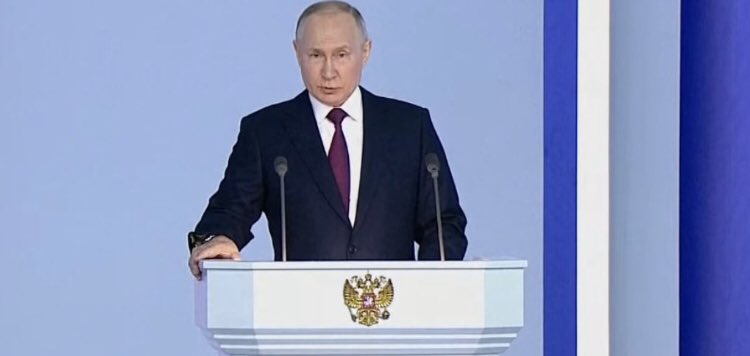
Dig a little deeper, and Rutte’s paranoia starts making sense, like realizing your neighbor’s “gardening tools” are actually shovels for burying bodies. Russia’s full-scale invasion of Ukraine, launched on February 24, 2022, isn’t just a regional spat—it’s a preview reel for bigger ambitions. Rutte pointed out that over one million Russian soldiers have been killed in that meat grinder, yet Vladimir Putin keeps feeding the beast, sacrificing his own people for imperial dreams. “Putin is in the empire-building business again,” Rutte quipped, channeling Ronald Reagan’s old “evil empire” jab. Russia’s getting backup from China on tech, Iran on drones, and North Korea on ammo, turning what should be a backwater brawl into a global proxy showdown.
Then there’s the sneaky stuff: Russia’s ramping up hybrid warfare, those covert ops that hit below the belt. In the last week alone, Russian drones buzzed into Polish and Romanian airspace, and a fighter jet loitered in Estonian skies like a rude guest who won’t leave. Undersea cables in the Baltic got snipped—coincidence? Rutte thinks not. These aren’t accidents; they’re probes, testing NATO’s reflexes. And with Russia’s defense budget hitting 7.7 percent of GDP, while NATO’s collective economy is 25 times larger but somehow lagging in output, it’s like the alliance is bringing a butter knife to a gunfight. Rutte’s message: If we don’t outproduce and outgun them now, we’ll be playing catch-up when the real fireworks start.
Fresh Revelations from the Front Lines
Just in the past month, the hits keep coming. On December 3, 2025, Rutte was already sounding the klaxon at a foreign ministers’ meeting, but his Berlin speech cranked it to eleven. Recent drone incursions aren’t isolated; they’re part of a pattern that’s escalated since fall. Putin himself piped up earlier this month, saying Russia isn’t planning war with Europe but is “ready right now” if pushed—classic tough-guy bluster that echoes his pre-2022 denials before invading Ukraine. Meanwhile, NATO’s rolling out new ops like Eastern Sentry and Baltic Sentry to beef up the eastern flank and guard infrastructure. And let’s not forget the million-plus Russian casualties in Ukraine; that’s not sustainable without foreign crutches, but it shows Putin’s willing to bleed his country dry for glory.
Are Rutte’s Fears Just Hot Air or the Real Deal?
From an America First perch, this all smells like a wake-up call we can’t hit snooze on. Sure, we’ve got our own backyard to tend—borders, trade deals, and keeping China in check—but ignoring a revved-up Russia is like pretending the leaky roof will fix itself. Rutte’s fears seem justified, not because war is knocking tomorrow, but because complacency is the ultimate invitation. NATO’s defenses can hold today, as Rutte admits, but five years of Russian war-economy grinding could flip the script. Europe’s been freeloading on American muscle for too long; time to pony up or risk a rerun of 1939.
But let’s add a dash of skepticism: Politicians love a good scare to loosen purse strings. Is Russia really eyeing Berlin or Warsaw when it’s bogged down in Ukraine? Putin’s army is tough, but it’s taken staggering losses—over a million dead by Rutte’s count—and relies on outdated tactics. Yet, hybrid threats are real: sabotage, cyberattacks, and influence ops are chipping away at the West without firing a shot. Justified? Hell yes, if only to avoid the alternative. Better to overprepare and look foolish than underprepare and look conquered.
In the end, Rutte’s not peddling panic; he’s peddling prudence. Europe, wake up and smell the borscht—before it boils over. America First means leading from strength, not isolation. If we arm up now, maybe we can keep the peace without another world war spoiling the party.