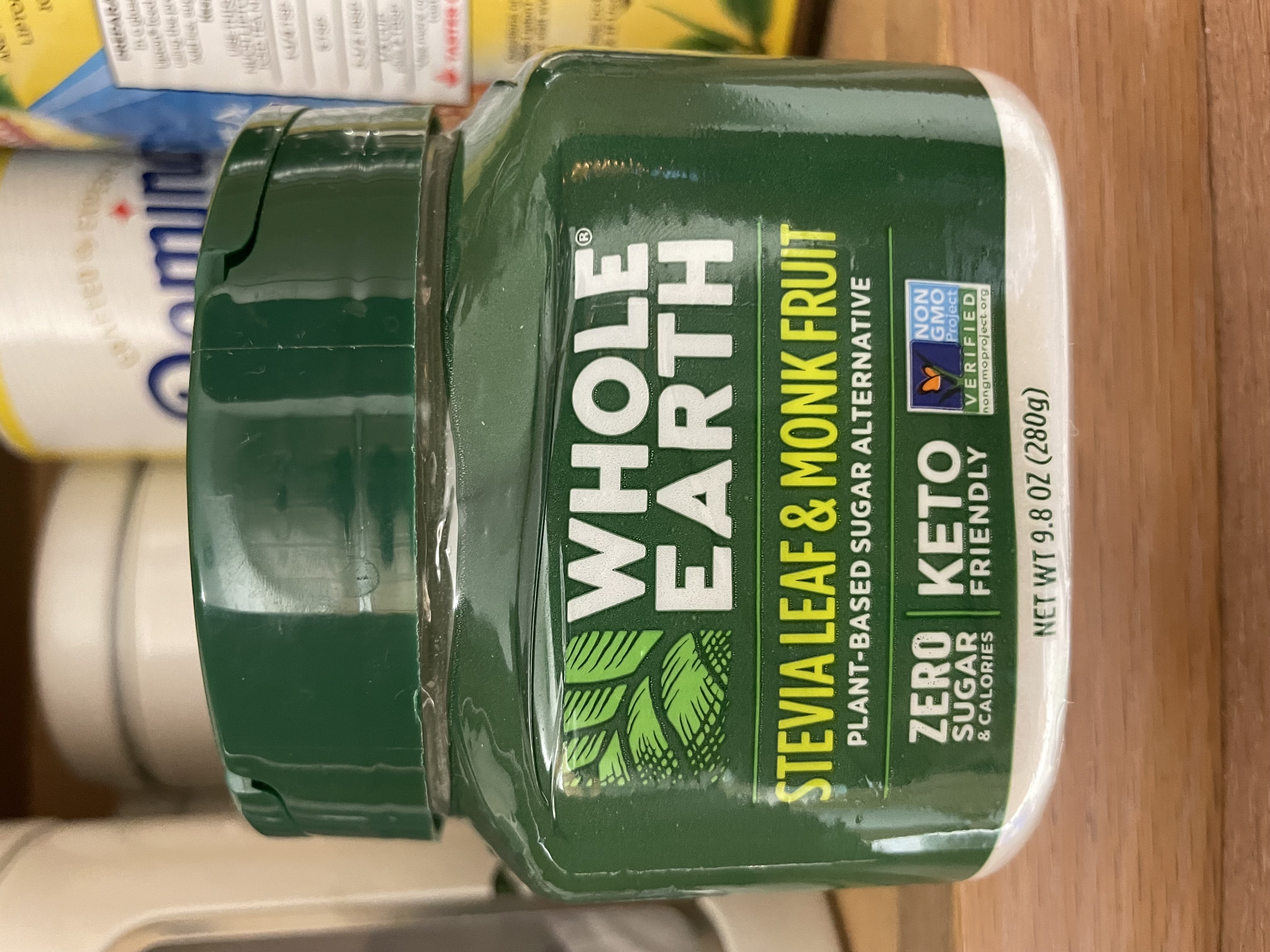
Erythritol, a popular zero-calorie sweetener found in many keto, low-carb, and “sugar-free” products—like protein bars, ice creams, and blends of stevia or monk fruit (including the one shown here)—has long been hailed as a healthy alternative to sugar. It’s often promoted as “natural” because it occurs in small amounts in fruits and is fermented from corn. Millions consume it daily, believing it’s harmless and even beneficial for weight management or blood sugar control. I have some in my cabinet to offer guests as I believed it was absolutely healthy.
However, mounting research from Cleveland Clinic studies (2023–2024) paints a concerning picture. Higher blood levels of erythritol are associated with roughly double the risk of major heart events, such as heart attack, stroke, or death—comparable to risks from diabetes. Lab and human trials show it can make blood platelets more reactive, promoting easier clot formation. A 2024 intervention study found that consuming typical amounts (e.g., 30g in a keto treat) spikes clotting potential acutely.
While these findings are largely observational—showing association, not proven causation—and erythritol remains FDA GRAS (generally recognized as safe), the mechanistic evidence is worrisome. Many users assume “natural” means risk-free, but at food-additive levels (1,000x natural amounts), it may not be.
Proceed with caution: Check labels, moderate intake, and consider alternatives like allulose or pure stevia. Consult your doctor, especially if you have heart risks. More long-term studies are needed, but erring on the side of prudence could protect your health.