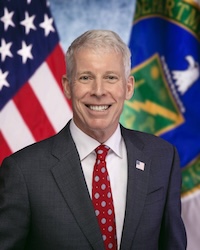
In Germany, they’ve invested half a trillion dollars, more than double the capacity of their electricity grid, and they produce 20% less electricity than they did before the half-trillion dollar investment, and they sold it at three times the price.
U.S. Energy Secretary Chris Wright
The U.S. Energy Secretary just obliterated Net Zero ideology in 60 seconds.
— Marc Nixon (@MarcNixon24) January 7, 2026
Oil, gas, and coal power EVERYTHING including green energy.
This is what adults sound like.
Liberals are not ready for this conversation.pic.twitter.com/c6J4x7k7Nk
Empowering American Energy Independence
The Trump Administration’s energy policy in 2026 is a bold strategy focused on unleashing domestic resources to drive economic growth, reduce energy costs, and enhance everyday life for Americans. By prioritizing affordable, reliable energy, it aims to lift communities out of poverty through job creation, boost national wealth via innovation in traditional sectors, and improve health and well-being with stable power supplies that make life easier and more secure.
Key Goals: Prosperity Through Energy Abundance
At its core, the policy seeks to restore American energy dominance by expanding oil, natural gas, and coal production. This approach lowers utility bills for families, making essentials more affordable and alleviating financial strains that contribute to poverty. Increased drilling and mining create high-paying jobs, fostering wealth in rural and industrial areas while ensuring a steady energy flow that supports hospitals, schools, and homes—directly enhancing public health and daily convenience.
Domestic Moves: Deregulation and Innovation
On the home front, executive orders have streamlined regulations, expediting permits for pipelines, fracking, and refineries. Eliminating burdensome green energy subsidies redirects resources to proven fossil fuels, cutting costs for consumers and businesses alike. These actions promote energy self-sufficiency, reducing reliance on foreign imports and stabilizing prices. The result? Thriving economies in energy-rich states, more disposable income for households, and a healthier environment for growth without restrictive mandates that hinder progress.
International Actions: Prioritizing National Interests
Globally, the administration has withdrawn from restrictive climate treaties and organizations, freeing the U.S. from obligations that could stifle economic potential. This shift allows for stronger trade deals focused on exporting American energy, boosting revenue and global influence. By emphasizing bilateral partnerships over multilateral constraints, it positions the U.S. as a leader in reliable energy supply, aiding allied nations and indirectly supporting worldwide poverty reduction through affordable resources.
Overlap with Climate Policy: Ending Net Zero for Real-World Benefits
The policy decisively ends the pursuit of Net Zero targets, viewing them as impractical barriers to prosperity. Instead, it integrates practical conservation with energy expansion, ensuring clean air and water through responsible development. This pragmatic stance avoids job-killing regulations, channeling savings into health initiatives and community upliftment, ultimately creating a wealthier, healthier America where energy abundance eases life’s burdens for all.