Analysis of Bacterial Infections as a Heart Attack Trigger
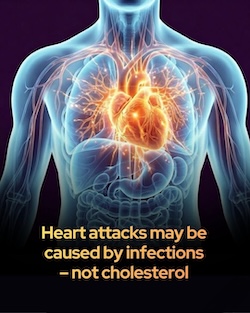
The 2025 study from Tampere University and the University of Oxford, published in the Journal of the American Heart Association, challenges traditional views by identifying bacterial infections—particularly from oral viridans streptococci—as a potential trigger for heart attacks. Analyzing plaques from over 200 patients, researchers found bacterial DNA in 42% of samples, forming dormant biofilms within cholesterol-laden arteries. These biofilms evade immune detection for years but can activate during stressors like viral infections, causing acute inflammation, plaque rupture, and clots.
This doesn’t negate cholesterol’s role; atherosclerosis (plaque buildup) from poor diet, smoking, and inactivity creates the foundation, while bacteria act as the “spark.” It’s a paradigm shift, suggesting heart disease may have an infectious component, akin to how H. pylori causes ulcers. If validated, it could lead to antibiotics, vaccines, or infection-focused diagnostics, improving prevention beyond statins.
However, limitations include its observational nature—correlation, not proven causation—and small sample size. Larger trials are needed to confirm.
Lifestyle Advice to Prevent Bacterial Buildup
Prioritize oral hygiene: Brush twice daily, floss, use antimicrobial mouthwash, and visit dentists regularly to reduce oral bacteria migration. Maintain overall health—quit smoking, manage diabetes, and exercise—to limit plaque formation and bacterial colonization. A balanced diet low in sugars also curbs bacterial growth.
🫀BREAKING: Heart attacks may actually be caused by bacterial infections.
— Shining Science (@ShiningScience) January 10, 2026
A groundbreaking study from Tampere University and the University of Oxford is reshaping our understanding of what causes heart attacks.
Long blamed primarily on cholesterol and lifestyle factors, new… pic.twitter.com/80Hqyk5Dih