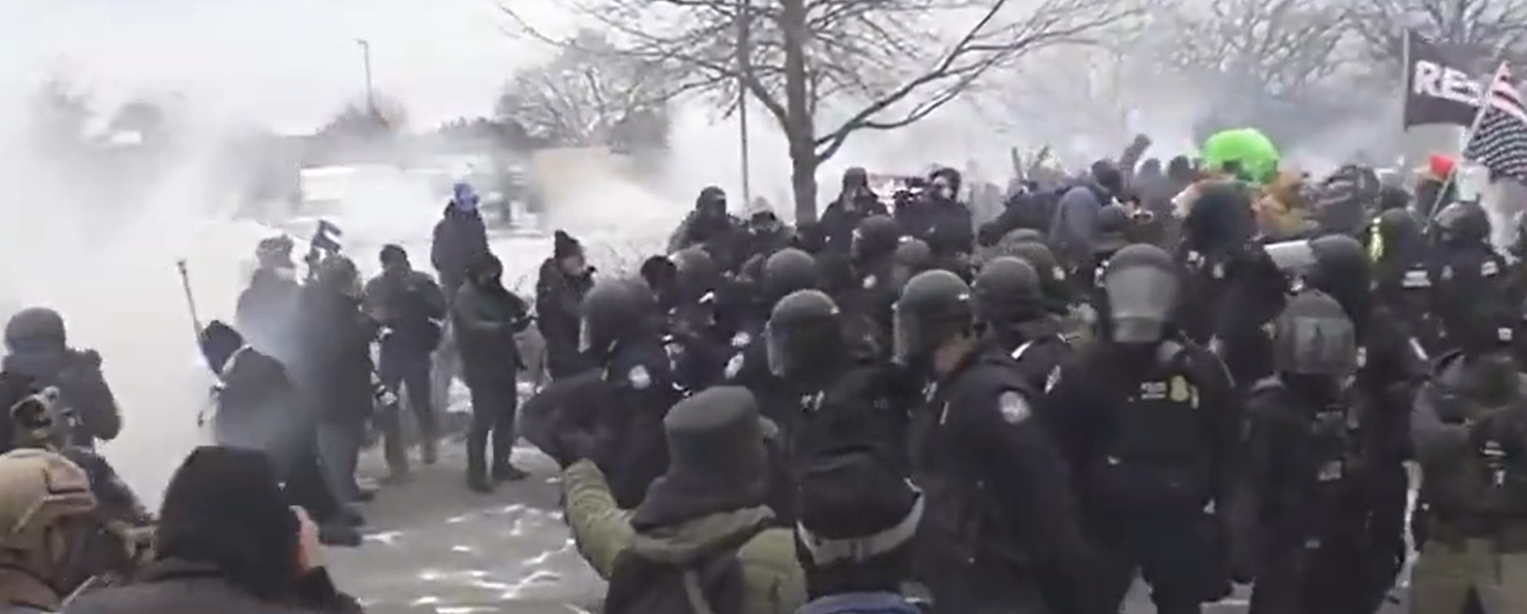
The chaos in Minneapolis isn’t some spontaneous street party—it’s a calculated campaign by anti-ICE agitators to turn law enforcement into sitting ducks. We’re talking January 2026, right after the new year kicks off with a bang, literally, as federal agents start rounding up the bad guys in the Twin Cities. These so-called protesters aren’t just waving signs; they’re running a slick operation that’s got tactics straight out of a guerrilla warfare playbook, all designed to bog down the boys in blue and green while the criminals slip away. America First means securing our streets, not letting these organized obstructionists turn enforcement into a farce. If this keeps up, we’ll need to send in the cavalry to remind them who’s in charge.
The Caravan Chasers: Shadowing Agents Like Stalkers on Steroids
These rioters didn’t just wake up one morning and decide to picket— they’ve got volunteer patrols that track federal immigration agents like hounds on a scent. Starting around January 10, 2026, when the first big clashes erupted, groups of these “patrollers” started following ICE vehicles in caravans, tailing them from raid to raid. It’s not passive observation; it’s active interference, swarming sites before arrests go down, creating human shields and chaos that forces agents to rethink their moves on the fly.
By January 14, these tactics had intensified, with protesters converging on locations like the Bishop Henry Whipple Federal Building, turning routine ops into standoffs. They use megaphones to rally crowds, chanting slogans that whip up the mob while scouts relay agent positions in real time. This isn’t amateur hour; it’s coordinated harassment that stretches thin the federal surge of over 3,000 agents deployed to the area. Agents end up babysitting protesters instead of bagging fugitives, buying time for the targets to rabbit or hide evidence. And when things heat up, like the fatal shooting of Renee Good on January 10, these shadows are right there, ready to spin the narrative.
Re-upping this. I’ve covered a lot of protests. Never seen anything quite like this. Organized is an understatement. https://t.co/JZOeBfshiO
— Alexis McAdams (@AlexisMcAdamsTV) January 25, 2026
Bystander Brigades: Filming Every Flinch to Fuel the Fire
Forget your grandma’s home videos—these activists are armed with smartphones and a mission to document every twitch from law enforcement. Bystander footage has been flooding out since the get-go, capturing moments like the January 9 incident where agents were seen using force during an arrest. By January 15, clips of federal officers pointing rifles at demonstrators or deploying tear gas were going viral, painting the feds as the villains in this twisted tale.
This isn’t just for likes; it’s a weaponized info op. They edit and amplify these videos to cry foul, sparking nationwide outrage that led to protests in cities beyond Minneapolis by January 10. The result? Public opinion swinging against ICE, with growing calls for accountability that tie up resources in investigations and congressional hearings. Law enforcement gets second-guessed at every turn, hesitating on split-second decisions because they know the cameras are rolling. It’s a classic hamstring: Force the good guys into defensive mode, where de-escalation drills become de facto delays, letting the unrest simmer and spread.
URGENT UPDATE: I’ve never experienced anything quite like today in my life. I’ve interacted with the Cartel and have witnessed some crazy things in the desert in ‘24. But what strikes me is how organized these agitators in Minneapolis are. They have spotters everywhere in the… https://t.co/ZgzURncHu6
— James O’Keefe (@JamesOKeefeIII) January 25, 2026
Sustained Siege: Marches, Lockdowns, and the Long Game
These aren’t flash-in-the-pan flunkies; they’re in it for the marathon, marching through streets and shutting down blocks as tensions boiled over by January 15. Protests continued daily, with crowds blocking access to federal buildings and raid sites, forcing detours and delays that eat up operational hours. By January 17, counterprotesters were clashing, injuring figures like Jacob Lang, but the anti-ICE core kept the pressure on, refusing to disperse even after pepper spray and gas rounds.
Their organization shines in the logistics: Medics on site for the injured, legal observers jotting notes for lawsuits, and supply lines for signs, water, and gear. This setup turned Minneapolis into a lockdown zone by January 20, with businesses boarding up and traffic grinding to a halt. Law enforcement’s response gets fragmented—local cops like those under Chief Brian O’Hara get bounced from scenes, leaving feds to handle crowds solo. The endgame? Overwhelm the system until agents pull back, as urged by state officials in their January 15 lawsuit calling federal tactics unconstitutional. It’s working, too—a federal appeals court on January 21 paused a lower court’s order restraining arrests of peaceful protesters, but the legal wrangling buys more time for the chaos.
JACK POSOBIEC: What we’re currently seeing in Minnesota are insurgent tactics that you would see on the battlefield of Fallujah and Kabul.
They even have a database of license plates that seems to come from Minnesota law enforcement!@JackPosobiec pic.twitter.com/yEfJDv5rGq
— Bannon’s WarRoom (@Bannons_WarRoom) January 26, 2026
The Courtroom Counterpunch: Lawsuits as Lethal Weapons
These agitators aren’t content with street theater; they’ve got a legal arm that’s slinging lawsuits like confetti. The state’s January 15 filing blasts ICE methods as dangerous, demanding curbs on force and even agent withdrawal. By January 21, a U.S. appeals court lifted a temporary order that had limited tactics against protesters, but the back-and-forth has agents lawyering up instead of locking up.
This judicial jihad hamstrings enforcement by injecting doubt—will today’s arrest hold up tomorrow? It forces policy reviews, like scrutiny over training after the January 10 shooting, where experts hammered on de-escalation failures. The ripple? Slower ops, more paperwork, and a chilling effect on aggressive policing. While feds defend their surge as necessary, the constant court battles drain morale and manpower, turning a crackdown into a crawl.
Training in the Shadows: Prepped for the Protest Grind
Behind the scenes, these groups run training sessions on everything from crowd control evasion to first aid under fire, ensuring their ranks stay resilient. Though not directly organizing the protests, these prep programs—rampant since the unrest kicked off—equip volunteers with skills to sustain the siege. By January 22, states and cities were scrambling to counter violent arrest tactics, but the protesters’ readiness keeps them one step ahead.
The payoff is clear: Law enforcement gets bogged down in reactive mode, responding to provocations rather than leading the charge. Agents face rising risks, from armed interferers to mob ambushes, all while the media machine amplifies every misstep. It’s a masterclass in asymmetric warfare, where the underdogs use organization to neutralize superior force.
America First Wake-Up Call: Time to Crush the Chaos
This Minneapolis mess is a blueprint for anarchy, where well-oiled tactics turn lawful deportations into a quagmire. From caravan stalking to video warfare and legal landmines, these anti-ICE operators are hamstringing heroes who just want to boot the bad guys. Public opinion’s shifting, with more Americans shocked by the northward creep of border tactics, but let’s get real—without pushback, this spreads like wildfire. President Trump’s got the tools to invoke whatever it takes; it’s time to remind these obstructionists that America enforces its laws, no apologies. If we don’t stomp this out now, every city becomes a sanctuary for scum, and that’s a future no patriot wants.