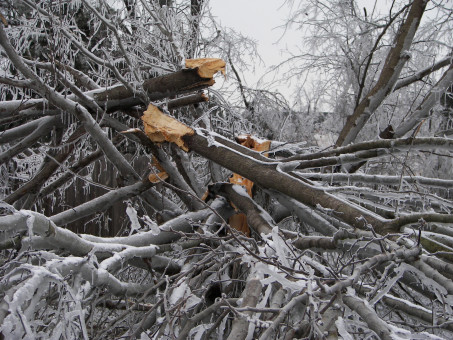
Severe winter storms can cause extensive property damage through heavy snow, ice accumulation, freezing temperatures, burst pipes, wind, and flooding. Understanding the difference between covered perils and exclusions—especially for water damage—is critical when filing an insurance claim.
Step 1: Ensure Safety and Document the Damage Immediately
- Make sure everyone is safe and the property is secure.
- If it is safe to do so, take steps to prevent further damage (e.g., tarping a broken roof, shutting off water to a burst pipe, moving belongings away from standing water). Most policies require you to take reasonable steps to mitigate additional loss.
- Photograph and video all visible damage from multiple angles before cleanup or repairs begin:
- Exterior: roof, siding, windows, foundation, yard, fallen trees
- Interior: ceilings, walls, floors, personal property
- Specific damage sources: split/burst pipes, ice dams, wind-driven rain entry points
- Keep a written log of dates, times, weather conditions, and actions taken.
Step 2: Review Your Insurance Policy
Homeowners, renters, and condo policies typically cover:
- Wind damage
- Weight of snow/ice on roof or structures
- Freezing and burst pipes (if you took reasonable care to heat the property and maintain plumbing)
- Sudden accidental water damage from burst appliances or plumbing
What is usually not covered (requires separate flood insurance):
- Surface flooding from outside (rivers, lakes, heavy rain overwhelming drainage, storm surge)
- Ground water seepage
- Sewer or drain backup (unless you have specific endorsement)
- Gradual water damage or mold from long-term leaks
Flood damage from external sources is almost never covered by standard homeowners insurance. You need a separate NFIP (National Flood Insurance Program) policy or private flood insurance.
Step 3: Notify Your Insurance Company Promptly
- Contact your insurer as soon as it is safe (most companies have 24/7 claims lines).
- Provide:
- Policy number
- Date and time the damage occurred
- Brief description of the cause and extent of damage
- Address of the property
- Ask for a claim number and the name of your adjuster.
- In catastrophic events with thousands of claims, expect delays—be patient but persistent.
Step 4: Understand the Two Main Types of Water Damage Claims
A. Burst Pipe / Interior Plumbing Water Damage (usually covered)
- Caused by freezing temperatures rupturing pipes inside the home.
- Sudden and accidental discharge or overflow of water from plumbing systems.
- Common covered scenarios:
- Pipe bursts due to freezing while you were away but maintained heat
- Supply line to washing machine, dishwasher, or toilet supply line fails suddenly
- You must prove you took reasonable precautions against freezing (e.g., kept thermostat at least 55°F, left cabinet doors open under sinks, dripped faucets during extreme cold).
B. Exterior Flooding / Surface Water (almost never covered)
- Water entering from outside due to heavy rain, snowmelt, rising rivers, or overwhelmed drainage.
- Even if the water enters through a wind-damaged roof or broken window, the proximate cause is often considered flooding—not wind—if the dominant damage source is external water accumulation.
- You need separate flood insurance for this peril.
Step 5: Work with the Adjuster
- The adjuster will inspect the property (sometimes virtually in widespread disasters).
- Be present if possible and point out all damage.
- Provide your photos, videos, receipts for mitigation expenses, and any repair estimates you already obtained.
- Keep records of every conversation (date, time, adjuster’s name, what was discussed).
Step 6: Understand Deductibles and Coverage Limits
- Wind/hail/snow weight claims usually have a percentage deductible (1–5% of dwelling coverage) in high-risk areas.
- Water damage from burst pipes typically uses the standard dollar deductible.
- Personal property is usually covered on an actual cash value (ACV) basis unless you have replacement cost coverage.
- Additional living expenses (ALE) may cover hotel stays if the home is uninhabitable.
Step 7: Repairs and Final Settlement
- Get multiple contractor estimates if the damage is extensive.
- Many insurers require you to use preferred vendors in catastrophic events for faster payment.
- Do not start major repairs until the adjuster has inspected (unless needed to prevent further damage).
- Once you receive the claim payment, you are generally responsible for completing repairs.
Step 8: If You Disagree with the Settlement
- Request a copy of the adjuster’s estimate in writing.
- Provide evidence (photos, contractor estimates, engineering reports) showing additional damage or higher repair costs.
- Ask for a second adjuster review if needed.
- File a written appeal with your insurer.
- Contact your state insurance department if the claim is unfairly denied or underpaid.
- In extreme cases, consider hiring a public adjuster (they take a percentage of the settlement) or consulting an insurance attorney.
Quick Tips After Major Winter Storms
- Act fast—delays can lead to denied claims for “failure to mitigate.”
- Save all receipts for temporary repairs, hotel stays, rentals, and meals.
- Be cautious of storm chasers and unlicensed contractors promising quick fixes.
- If you have flood damage, contact the NFIP or your flood insurer separately—do not assume your homeowners carrier will cover it.
Filing a claim after severe winter weather can feel overwhelming, but documenting everything thoroughly and understanding your policy’s coverages and exclusions will help you recover faster and more fairly.
Stay safe and good luck with your claim.