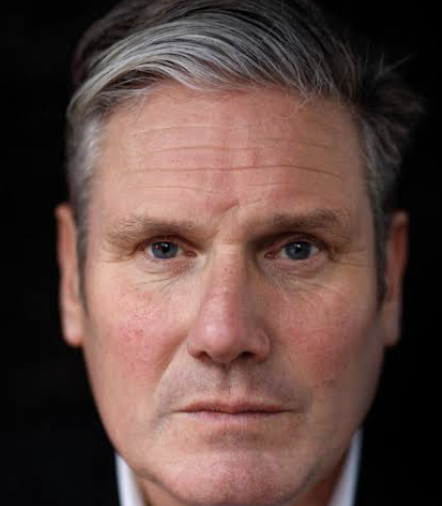
Since sweeping to power in July 2024 following several dreadful conservative administrations, Keir Starmer has watched his honeymoon period collapse under the crushing weight of economic missteps, party infighting, foreign policy blunders, and a cascade of personal and political scandals. By February 2026, Britain’s youngest prime minister in decades finds himself fighting for survival, with approval ratings in the gutter and even loyal Labour MPs openly questioning whether he can last the full term.
Economic Chaos and Broken Promises
Starmer inherited a brittle economy scarred by inflation, low growth, and ballooning debt. His government’s first major budget—laden with tax rises on businesses and wealthier households—triggered immediate backlash. Business leaders warned of capital flight, while trade unions accused him of betrayal after he slashed winter fuel payments for pensioners.
Keir Starmer is asked 4 times to apologise to pensioners, but declines.
— Rob Boyd, Esq (@AvonandsomerRob) September 25, 2024
No heart, no soul, nobody at home… pic.twitter.com/mcQN5rK9o1
Borrowing costs spiked as gilt yields climbed, markets punished perceived fiscal recklessness, and Labour’s poll numbers slid below 30 percent. The public mood soured further when Starmer performed a humiliating U-turn on welfare reforms after a threatened backbench revolt, reinforcing the image of a prime minister who lacks the authority to deliver his own agenda.
Keir Starmer chose ideology over loyalty to those who served this country.
— Joseph Boam (@Joseph_Boam) January 28, 2026
His actions helped open the door to years of unjust pursuit of British soldiers.
He owes our veterans a clear apology and the country deserves better leadership that stands by them, not against them. pic.twitter.com/yxVG2zVPEs
Foreign Policy Fiascos and Domestic Headaches
Abroad, Starmer’s attempt to reset relations with China sparked outrage at home. Opposition MPs branded his trade-focused visit “naive” and accused him of sidelining human rights. Closer to home, the ‘small boats’ immigration crisis continues unabated, with record crossings in late 2025 and no credible deterrent in sight. The country is rapidly running out of space, money and patience for these largely male African immigrants who have zero respect for local culture. Relations with the EU remain frosty over Northern Ireland and migration, leaving Starmer squeezed between Brexiteer critics and pro-European Labour backbenchers.
The Grooming Gangs Reckoning
The most emotionally charged controversy centres on Starmer’s time as Director of Public Prosecutions (2008–2013). Elon Musk’s explosive claim that Starmer was “complicit in the rape of Britain” reignited scrutiny of the Crown Prosecution Service’s handling of child sexual exploitation cases, many involving predominantly Pakistani-Muslim grooming gangs and thousands of vulnerable British girls. Starmer insists he transformed the CPS approach, securing record convictions and better victim support. Yet he initially dismissed calls for a national inquiry as far-right dog-whistling before reluctantly commissioning Dame Louise Casey in mid-2025. Survivors have since walked away from advisory panels, citing political interference and endless delays. The absence of any formal apology from Starmer for systemic failures during his tenure remains a raw wound for many.
The Mandelson–Epstein Bombshell
The crisis that may prove fatal arrived in February 2026. Starmer’s decision to appoint Peter Mandelson—long-time Labour fixer and former EU trade commissioner—as UK ambassador to Washington unravelled spectacularly when fresh Jeffrey Epstein files revealed Mandelson’s extensive ties to the convicted sex offender, including allegations of leaking sensitive information.
This is the email that shows Keir Starmer profited from the rape and sex trafficking of children
— Not A Number (@myhiddenvalue) February 1, 2026
He absolutely WAS involved and deserves to go to jail. pic.twitter.com/wFyBBbkAC3
Reports suggest Starmer knew of the friendship yet pressed ahead, trusting Mandelson’s assurances it was insignificant. When the truth emerged, the prime minister branded Mandelson’s conduct “deceitful” and expressed deep regret. Opposition parties demanded a full ministerial code investigation; police examined possible unauthorised disclosures. Labour MPs described the episode as “the beginning of the end,” with some privately concluding Starmer’s position is now untenable.
A Selective Apology and a Crippled Premiership
In a televised address, Starmer issued a direct apology to Epstein’s victims, saying, “So many people with power failed you—and I was one of them.” Yet the same prime minister has never offered anything approaching equivalent remorse for the institutional shortcomings that allowed grooming gangs to operate with near-impunity for years, preying on some of Britain’s most vulnerable girls.
"I am sorry. Sorry for what was done to you, sorry that so many people with power failed you, sorry for having believed Mandelson's lies and appointing him.” — Keir Starmer
— Samantha Smith (@SamanthaTaghoy) February 5, 2026
Dear Keir,
Where was your apology to the girls raped by Pakistani-Muslim grooming gangs?
Where was your… pic.twitter.com/8uTs442zd0
The contrast has crystallised accusations of selective accountability and moral cowardice. Combined with collapsing polls, restless backbenchers, and a growing sense that Starmer lacks the political steel to govern effectively, the Mandelson debacle has inflicted perhaps the gravest wound of his premiership.
Whether he can recover—or whether the Labour experiment ends in early resignation—now hangs in the balance. The Tories, under new management, are sticking it to him every chance they get and the odds on Starmer surviving this scandal are looking increasingly low.