Here we go again—another chapter in the endless saga of entitlement run amok. Just when you thought the Trump administration’s push to make SNAP actually promote health instead of obesity was gaining traction, a handful of food stamp recipients are dragging the USDA into court to fight for their sacred right to guzzle taxpayer-subsidized soda and scarf down candy bars. Filed on March 11, 2026, this lawsuit is peak victimhood theater: five plaintiffs from Colorado, Iowa, Nebraska, Tennessee, and West Virginia crying foul over state-level restrictions that block SNAP dollars from buying junk. They call it discriminatory. I call it common sense finally catching up to a broken system.
USDA’s Rollins to Newsmax: Lawsuit Over SNAP Rules Silly https://t.co/KwYz13Jvg4
— Elena (@helen44767171) March 14, 2026
The Crackdown: Trump USDA Green-Lights State Waivers to Axe the Junk
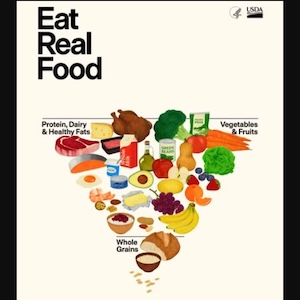
Let’s get the timeline straight. Under the current administration, the Department of Agriculture—backed by Health Secretary Robert F. Kennedy Jr.’s Make America Healthy Again crusade—has been approving waivers that let states pilot restrictions on SNAP purchases. These aren’t blanket federal bans yet, but targeted experiments in states fed up with watching benefits fuel diabetes epidemics and childhood obesity. The rules target candy, sugary drinks, sodas, energy drinks, and other low-nutrition garbage. As of early March 2026, twenty-two states have secured these waivers, with more rolling out enforcement next month. The goal? Channel SNAP dollars toward actual food—meat, dairy, produce, staples—that keeps people alive and productive instead of hooked on sugar highs.
This isn’t some radical overreach. It’s a logical extension of America First priorities: Taxpayers fork over billions for SNAP every year. Why should that money subsidize the same junk that clogs arteries and jacks up Medicare costs down the road? The waivers give states flexibility to experiment, and early signs show retailers adapting without chaos. But oh no, that threatens the status quo where SNAP acts as a de facto sugar subsidy.
The Plaintiffs’ Playbook: Cry Discrimination and Procedural Foul
The suit, brought by the National Center for Law and Economic Justice, hits the usual notes. They claim the USDA violated the Administrative Procedure Act by approving waivers without proper notice, comment periods, or evaluation protocols. No reasoned decision-making, they say—just arbitrary patchwork rules that redefine “food” on a state-by-state basis. Vague definitions, they argue, could accidentally block nutritious items or confuse shoppers and stores.
The USDA’s unlawful food restriction waivers are harming SNAP recipients who require certain foods to manage chronic health conditions like diabetes. We’re suing the USDA to block these waivers in CO, IA, WV, TN, and NE. https://t.co/ZgaB8mGptd
— National Center for Law and Economic Justice (@NCLEJustice) March 13, 2026
Then comes the discrimination angle. Plaintiffs whine that these restrictions stigmatize SNAP users, treat them like second-class citizens, and deprive families of choice. They trot out sob stories: people with chronic conditions supposedly losing access to items needed for blood sugar management (ironic, given the sugar bans), or families forced to dip into cash for restricted treats at the expense of rent or utilities. The core beef? These rules are “rooted in stereotypes” about poor people being irresponsible, and they harm dignity by limiting options more than they help health. One angle hints at broader discrimination against SNAP participants as a class, though the filing leans harder on procedural violations than straight racial or economic bias claims.
It’s textbook left-wing lawfare: When you can’t win on merits, scream process and prejudice.
The National Center for Law and Economic Justice says the waivers violate federal procedure, are vague, and could limit nutritious options for millions who rely on SNAP.
https://t.co/rTw6Upiu5f— KOAA News5 (@KOAA) March 14, 2026
The Real Discrimination: Against Taxpayers and Common Sense
Let’s flip the script. The real outrage is forcing working Americans to fund someone else’s Mountain Dew and Snickers habit. Obesity rates are sky-high among low-income groups, and SNAP already covers plenty of healthy options—it’s not like recipients are starved of nutrition. These restrictions don’t ban food; they just stop subsidizing poison. If anything, blocking junk promotes dignity by treating people like capable adults who can make better choices when the free ride ends.
The lawsuit’s timing reeks too—filed right as more states ramp up enforcement. This is about preserving the gravy train before the reforms take root.
Outcome Prediction: Lawsuit Goes Down in Flames
This case is DOA. The USDA acted within its authority to grant waivers for pilot programs, and courts typically defer to executive agencies on administrative details unless there’s blatant overreach. The Administrative Procedure Act claims might get a hearing, but the waivers followed established processes, and health-based restrictions have precedent in other programs. No serious court is going to rule that taxpayers must fund candy under threat of “discrimination.”
Expect a quick dismissal or summary judgment for the government. If it drags, the Trump team will defend vigorously—America First means ending the welfare-industrial complex that keeps people dependent and sick. These restrictions are gaining momentum, not losing it. More states will join, and if the lawsuit flops (as it should), expect a push toward national guidelines.
Bottom line: SNAP is supposed to fight hunger, not fund addiction. The plaintiffs want the sugar high on our dime. The rest of us want healthy citizens who can work and thrive. Guess which side wins in the end? The grown-ups. Always.