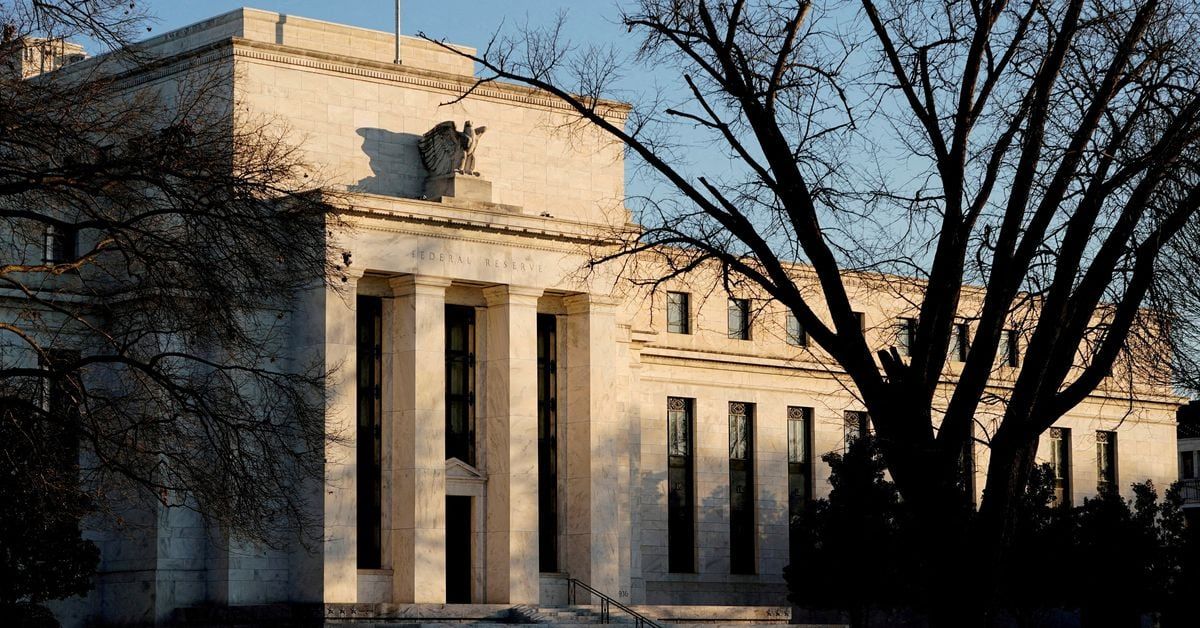
A new Federal Reserve research paper looked at 150 years of real-world data (1870–2020) on big tariff changes in the US, UK, and France.
What they found (the opposite of what most economists have always said):
- When countries raise tariffs, consumer prices go down, not up.
- At the same time, unemployment goes up a bit.
In simple terms: tariffs act like a brake on the whole economy (less overall spending/demand), which keeps inflation lower, even though they make imported goods technically more expensive.
Why this matters right now (2025):
- Trump put roughly 18% tariffs on many imports this year.
- Most economists and the Federal Reserve warned this would cause high inflation and said they wouldn’t cut interest rates because of it.
- This study says those warnings were probably wrong — history shows tariffs usually reduce inflation, not increase it.
- So the Fed may have kept interest rates too high for the wrong reason.
Bottom line: 150 years of evidence suggests Trump’s tariff policy is not inflationary the way almost everyone thought. Instead, tariffs seem to cool price increases while slowing the economy a little — exactly the opposite of the standard textbook story.
More detail in Breitbart article here.
Fed Study Vindicates Trump Trade Policy: 150 Years of Evidence Shows Tariffs Lower Inflation | John Carney, Breitbart News
— Owen Gregorian (@OwenGregorian) November 16, 2025
A sweeping new analysis of tariff policy spanning 150 years suggests that the economic establishment may have fundamentally misunderstood how tariffs affect… pic.twitter.com/uzskqP7NdT