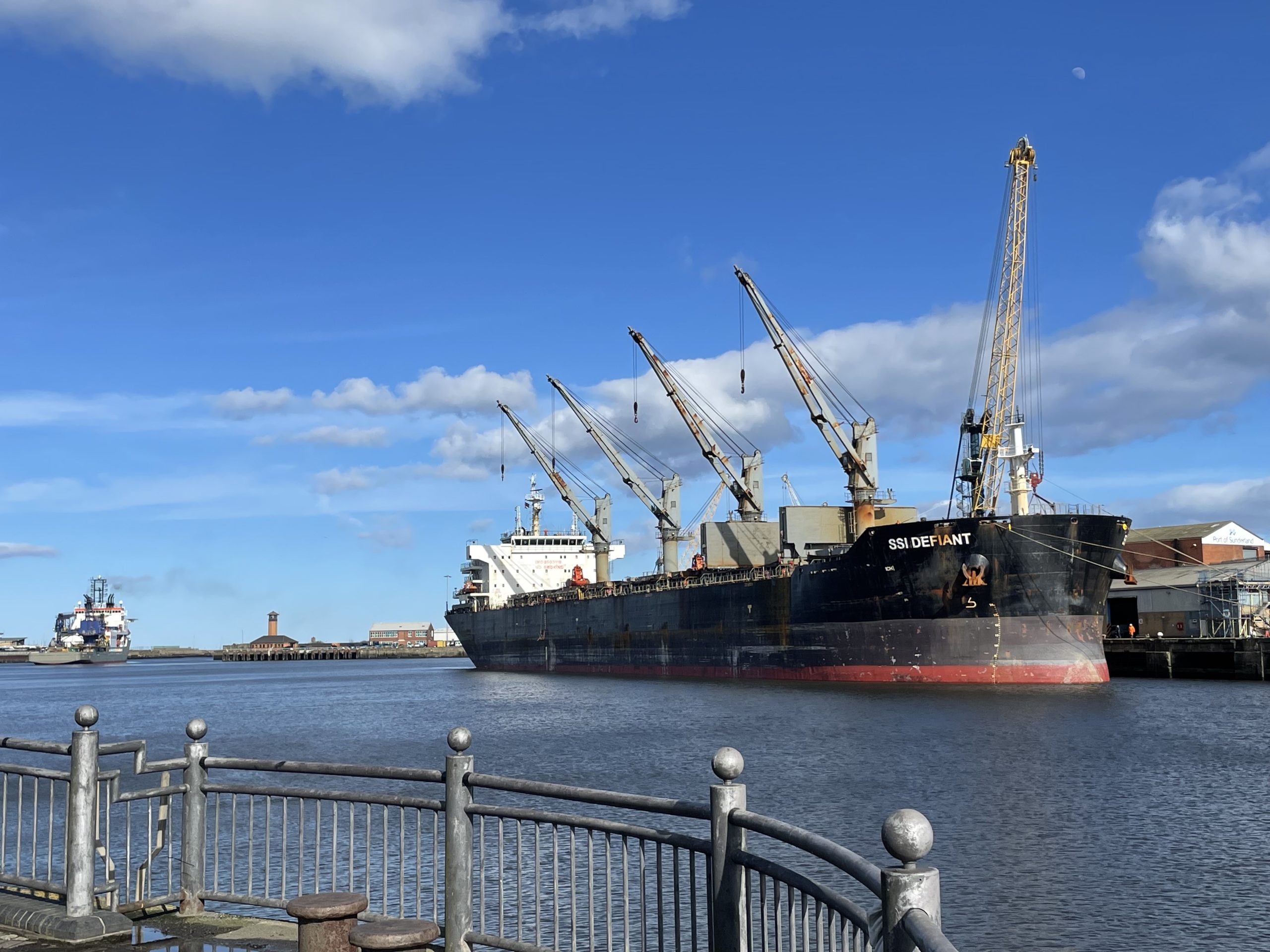
Well, folks, it’s December 2025, and Uncle Sam just played pirate in the Caribbean—seizing a rogue oil tanker named Skipper off the Venezuelan coast on December 10. This floating rust bucket was lugging nearly two million barrels of Venezuela’s heavy crude, the kind that sticks to your boots like bad karma, probably headed for Cuba or some other sympathetic port of call. The Skipper wasn’t flying any flag worth saluting; it was part of the infamous “dark fleet,” those shadowy ships that slink around the globe like teenagers past curfew, dodging sanctions by spoofing their locations, swapping flags like underwear, and generally thumbing their noses at the civilized world. It’s got ties to Iran’s evasion networks and Russia’s oil-smuggling circus, turning the high seas into a floating flea market for outlaw regimes.
But here’s the fun part: back in the days when men wore tricorn hats and didn’t apologize for it, ships like this were fair game for “prize hunters”—privateers who turned enemy cargo into personal profit with the government’s blessing. So, could we revive this swashbuckling tradition to kneecap the dark fleet and starve the likes of Venezuela, Iran, and Russia of their illicit oil bucks? Let’s hoist the sails and dive in, with a wink to the ghosts of Blackbeard and the Founding Fathers.
The Golden Age of Government-Sponsored Plunder
Picture this: It’s the 18th century, and the world’s a perpetual bar brawl between empires. Nations didn’t have massive navies to police every wave, so they outsourced the dirty work to private citizens. Enter the letter of marque, a fancy permission slip from the king or Congress saying, “Go forth and capture enemy ships, my good man—and keep a cut for your trouble.” These weren’t pirates, mind you; pirates were the unlicensed yahoos who ended up dancing the hempen jig from a yardarm. Privateers were entrepreneurs with paperwork, sailing under their nation’s flag to disrupt trade, seize cargo, and generally make life miserable for the other side.
During the American Revolution, plucky Yankee privateers nabbed hundreds of British vessels, turning the Atlantic into a floating yard sale. Fast-forward to the War of 1812, and they did it again, capturing prizes that funded the war effort while padding their pockets. The system was simple: Spot a fat merchantman flying the wrong colors, board her with cutlasses flashing, sail her to a friendly port, and let a prize court decide if the haul was legit. If yes, the ship and cargo got auctioned off—captain and crew split the loot, government took a share, and everyone toasted to liberty. It was capitalism with cannons, and it worked because wars were declared, enemies clear, and the seas vast enough to hide the occasional screw-up.
Dusting Off the Letters: Could Prize Hunting Sail Again?
Fast-forward to today, where the dark fleet—over a thousand aging tankers strong—ferries sanctioned slop from Venezuela’s crumbling refineries, Iran’s defiant derricks, and Russia’s war-chest wells to buyers in Asia and beyond. These ships play hide-and-seek with AIS transponders, fake their registries, and conduct sneaky ship-to-ship transfers in the dead of night. The Skipper, for instance, had a history of smuggling Iranian oil before switching to Venezuelan crude, all while posing as a ghost on the waves.
Under international law, stateless ships—those without a genuine flag or nationality—are fair game for seizure by any nation on the high seas. The UN Convention on the Law of the Sea says so, treating them like orphans in a Dickens novel: no protection, open to boarding, searching, and towing away. That’s how the U.S. justified grabbing the Skipper—it was essentially a floating scofflaw.
Now, could we supercharge this with modern privateers? The U.S. Constitution still empowers Congress to issue letters of marque, and we never signed the 1856 Paris Declaration that banned privateering for most countries. There’s chatter in 2024 and 2025 about reviving them—against Houthi pirates in the Red Sea or even Russia’s shadow fleet fueling its Ukraine misadventures. Imagine tech-savvy bounty hunters in speedboats or drones, licensed to lasso these tankers, drag them to U.S. ports, and auction off the oil. Proceeds could fund border walls or whatever America First priority floats your boat.
⚓️‼️ Seizing Unflagged Ships
Below is a mostly objective and candid analysis of the legality of the seizure of the MT Skipper in the context of the UN Convention on the Law of the Sea.
I have attached screen shots of the two essential passages.https://t.co/M2J0GvXqbQ pic.twitter.com/ZrWYJtot99
— Will Schryver (@imetatronink) December 18, 2025
A Cannonball Solution to the Sanctions Dodge?
In theory, yes—this could torpedo the dark fleet’s operations. Venezuela’s oil exports, already down to scraps under sanctions, rely on these creaky vessels to sneak past enforcers. Iran and Russia use the same playbook, with Russia’s shadow armada numbering hundreds and evading price caps like a bad tax dodge. Unleashing private prize hunters would multiply enforcement eyes on the water, making every voyage a gamble. Buyers in China or India might think twice about black-market discounts if their cargo risks ending up in Houston instead of Hangzhou.
Recent moves paint a grim picture: The U.S. is gearing up to seize more tankers off Venezuela’s coast, with the Skipper’s capture just the appetizer in a buffet of crackdowns. These tankers aren’t just sneaky; they’re environmental time bombs, old and uninsured, risking billion-dollar spills while funding tyrants. Prize hunting could flip the script, turning their weakness—stateless anonymity—into our strength.
But Wait, There’s a Catch (or a Cannonball to the Hull)
Of course, nothing’s ever simple in the bureaucratic bilge water of modern geopolitics. Reviving privateers might invite chaos: What if some yahoo misidentifies a legit tanker and sparks an international incident? Escalation risks with Iran or Russia could turn the seas into a shooting gallery. Insurance companies would faint, courts would clog with disputes, and the UN would tut-tut about “high seas freedoms.” Plus, boarding a supertanker isn’t like storming a galleon—think armed guards, oil slicks, and lawsuits galore.
Still, from an America First perch, it’s worth a shot. We’ve got the legal toolkit, the naval muscle, and the incentive to choke off these rogue revenues that prop up madmen like Maduro. The Skipper’s seizure sent tankers U-turning in panic and jacked oil prices a notch—imagine multiplying that with a fleet of licensed buccaneers.
In the end, if we’re serious about draining the swamp of sanctioned slush funds, why not channel our inner Francis Drake? It’s cheaper than endless patrols, more fun than diplomacy, and a heck of a way to make the bad guys walk the plank. Arrr, pass the rum—and the legislation.