Josh Wolfe’s essay “The Arctic Smokescreen” in the X post below, argues that the U.S. interest in Greenland is not a quirky diplomatic issue or random attention-seeking. Many people view it as embarrassing chaos: loud threats of force, rejection by Denmark, and then talk of a big purchase. The media treats it like a spectacle, and Europeans protest over threats to sovereignty.
Wolfe explains that this surface view misses the bigger picture. The real aim is to secure control over rare earth elements—special minerals vital for modern weapons and technology.
The Hidden Goal: Rare Earth Minerals
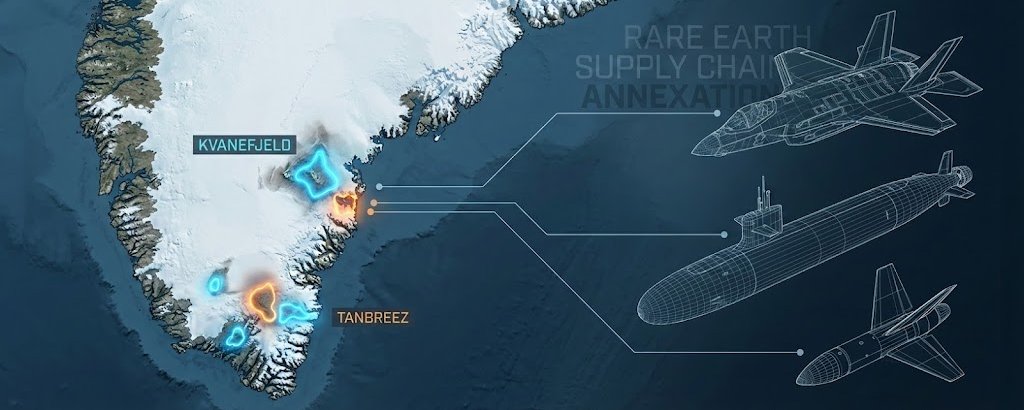
These minerals, especially heavy rare earths like dysprosium and terbium, are essential for building advanced military equipment. They go into fighter jets like the F-35, guided missiles, submarine sonar systems, and even electric vehicle motors. China currently processes over 90% of the world’s supply, creating a serious risk for U.S. defense and technology independence.
The key deposits are in southern Greenland: Kvanefjeld (which has some Chinese involvement) and Tanbreez (a cleaner site with Western ties). Controlling these would break China’s dominance and protect future U.S. military strength.
A Smart Negotiation Strategy
The threats of force are not the main plan. They are a deliberate tactic: start with an extreme demand so the later financial offer looks reasonable. The proposed purchase could erase Denmark’s entire national debt (around $142 billion) and bring huge wealth to Greenland’s 57,000 residents. The mineral value alone might cover the cost within one generation, making the deal potentially self-financing.
Prediction Markets Show a Divide
Prediction markets, where people bet money on real outcomes, reveal different views. A U.S.-based market gives about a 42% chance of acquisition, suggesting belief in American pressure succeeding. Global markets put the odds lower, around 15–23%, expecting resistance from Europe and international rules to hold. This gap highlights a debate over whether power or norms will win.
A Larger Three-Front Strategy
The Greenland issue connects to three related pressures:
- Resource front: Securing the minerals to build tomorrow’s weapons.
- Economic front: Tariffs on European countries that resist, to force alignment.
- Kinetic front: Russian-linked actions, like dragging anchors across Baltic undersea cables, to test and weaken Western infrastructure.
Why Rules Alone May Not Hold
Europe appeals to international law, sovereignty, and the “rules-based order.” Wolfe notes these work only when all sides agree to follow them. When a powerful nation sees something as critical—like avoiding dependence on China for weapons—it may act regardless. He quotes the ancient Greek historian Thucydides: the strong do what they can, and the weak suffer what they must.
The Real Message
Don’t be distracted by the headlines and arguments. This is a focused, strategic effort to gain control of a vital supply chain for defense and technology. The driving forces are the location of the minerals, raw power, and the need to stay ahead—not just polite diplomacy or old alliances. The Greenland story signals a shift in how global power really works today.
— Josh Wolfe (@wolfejosh) January 21, 2026
