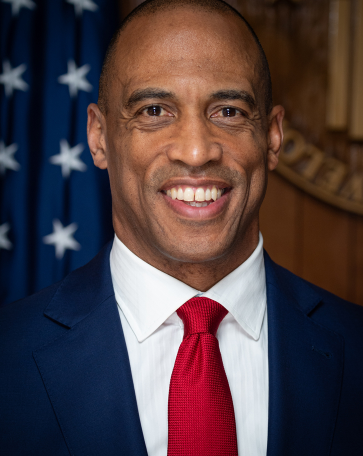
The swamp creatures are squirming, and it’s about damn time. The Department of Housing and Urban Development just dropped the hammer on January 23, 2026, ordering every public housing authority and owner of HUD-funded properties to verify the citizenship and eligibility of every single tenant within 30 days. No more free rides on the taxpayer express—no illegals, no ghosts, no grifters gaming the system while hardworking Americans foot the bill. This is America First in action, finally cleaning up the mess left by years of open-border insanity and bureaucratic bloat. Secretary Scott Turner isn’t messing around; he’s vowing to leave no stone unturned, teaming up with DHS to root out the abuse that’s been draining our wallets dry. If you’re not eligible, pack your bags—because the party’s over.
CLEANING HOUSE: HUD has ordered all public housing authorities and owners receiving department-funded housing to verify tenant citizenship and eligibility in 30 days after an audit flagged tens of thousands of deceased and ineligible tenants nationwide.
“We will leave no stone… pic.twitter.com/tXZVZwjxpK
— Fox News (@FoxNews) January 24, 2026
The Great Eligibility Dragnet
This isn’t some half-hearted paperwork shuffle; it’s a full-scale audit blitz covering every property sucking up HUD assistance. We’re talking public housing projects, Section 8 vouchers, multifamily developments—the whole shebang where federal dollars flow to keep roofs over heads. The directive hit on Friday, January 23, 2026, giving these housing honchos exactly 30 days to check every tenant’s status or face the wrath of federal sanctions. That means cross-referencing with immigration records, Social Security data, and whatever else it takes to confirm who’s a legit U.S. citizen or qualified legal resident.
Why now? An internal audit lit the fuse, flagging nearly 200,000 tenants nationwide who need their eligibility double-checked. This comes on the heels of a December 2025 bombshell report that uncovered $5.8 billion in questionable payments under the previous administration’s Tenant-Based Rental Assistance program alone, which shelled out $33 billion to support over four million households. HUD’s making it crystal clear: payments to ineligible folks will be clawed back, and the deadbeats—literal and figurative—get the boot. It’s not just about citizenship; it’s nailing over-income earners, fraudsters with fake docs, and even the dearly departed still “occupying” units on paper. This dragnet is set to scour every corner of the $50 billion-plus annual HUD housing budget, ensuring every dime goes to Americans who actually qualify.
Cleaning House’: HUD Orders Immediate Citizenship Verification for All Tenants in HUD-Funded Housing Nationwide
A HUD and @DHSgov audit into all tenants across HUD-funded housing discovered nearly 200,000 tenants requiring eligibility verification, nearly 25,000 deceased… pic.twitter.com/2MunlMtYrS
— Department of Housing and Urban Development (@HUDgov) January 23, 2026
Unearthing the Underground Economy of Entitlements
What are they going to find? Buckle up, because the revelations are already piling up like unpaid rent notices. The initial audit spotlighted nearly 25,000 deceased tenants still listed as residents—ghosts haunting the ledgers, costing millions in phantom subsidies. Then there are the roughly 6,000 ineligible non-citizens identified so far, squatting in spots meant for American families. But that’s just the tip of the iceberg; expect a avalanche of fraud as the verifications roll in.
Dig deeper, and you’ll uncover the real rot: illegals gaming the system in sanctuary states, where local yokels turned a blind eye to federal rules. Over the last few years, HUD programs ballooned under lax enforcement, with estimates suggesting tens of thousands more unauthorized immigrants slipped through the cracks. Add in over-income tenants who’ve outgrown the need but hung on for the cheap digs—some pulling in six figures while paying peanuts—and you’ve got a recipe for rage. Fraud rings forging documents, identity theft rackets, and even housing authorities cooking the books to keep federal funds flowing. In big cities like New York and Los Angeles, where homelessness spikes despite billions poured in, this audit could expose how resources got diverted to the undeserving, leaving veterans and single moms on waiting lists that stretch for years.
And don’t forget the cross-program cheats: folks double-dipping on HUD aid while collecting other welfare perks they’re not entitled to. The collaboration with DHS means ICE-level scrutiny, potentially unmasking deportation dodgers who’ve been hiding in plain sight. By the time this shakes out, we’re looking at hundreds of thousands of ineligible cases nationwide, confirming what we’ve known all along—the system’s been a slush fund for globalists and grifters, not a safety net for Americans.
The Taxpayer Treasure Trove
Now, the million-dollar question—or make that the billion-dollar bonanza: how much green is this going to save us? Short answer: a boatload, enough to make your wallet weep with joy. That December 2025 audit already pegged $5.8 billion in dodgy rental assistance payments, and this new verification push is primed to recover a chunk of that while preventing future bleeds. With HUD’s annual housing outlays topping $50 billion, even a 10% fraud rate—which audits suggest is conservative—translates to $5 billion clawed back yearly.
Evicting the 25,000 dead tenants alone could save upwards of $300 million annually, assuming average subsidies around $12,000 per unit. Toss in the 6,000 confirmed non-citizens, and you’re adding another $72 million to the pot. But scale it up: if the full 200,000 flagged cases pan out with half ineligible, that’s potentially $1.2 billion in annual savings right there. Factor in the ripple effects—reduced waiting lists meaning faster aid to legit families, less administrative waste, and deterrence against future fraud—and the total could hit $10 billion or more over the next few years.
HUD just found that the Biden admin sent Minnesota over $84 million in ineligible assistance including funds to over 500 DEAD tenants.
This is why Democrats fought DOGE. It was all a money laundering operation using our tax dollars to benefit and elect Democrats. pic.twitter.com/1mDa4NS2Hp
— Libs of TikTok (@libsoftiktok) January 13, 2026
This isn’t chump change; it’s real money that can go toward tax cuts, border walls, or infrastructure that actually benefits citizens. Under the old regime, $33 billion in tenant-based aid got funneled with little oversight, leading to that $5.8 billion black hole. Now, with verifications locked in, expect ongoing savings as the system tightens up. America First means putting our people ahead of the world’s freeloaders, and this audit is the first step in reclaiming our hard-earned cash from the entitlement abyss.
Draining the Housing Swamp for Good
This HUD housecleaning is more than an audit—it’s a reckoning for decades of feel-good policies that prioritized everyone but Americans. As the 30-day clock ticks down from January 23, 2026, watch the panic set in among the enablers who’ve let this fester. Eligible tenants have nothing to fear; it’s the cheats who’ll be scrambling. In the end, this move restores faith in the system, saves billions, and sends a clear message: if you’re not here legally, you’re not crashing on our dime. America First isn’t just a slogan—it’s finally policy, and it’s about time we all benefited from it.