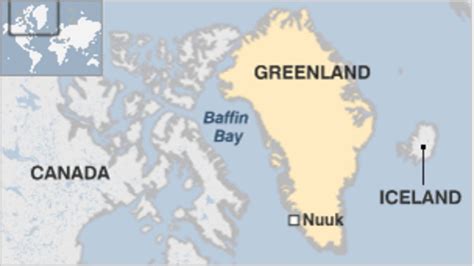
In August 2019, during his first term, President Donald Trump publicly expressed interest in the United States acquiring Greenland from Denmark. The proposal was met with widespread ridicule from media outlets and political figures, who portrayed it as an impractical real estate whim or vanity project. Danish officials rejected the idea outright, calling it absurd, and the suggestion faded from headlines amid other domestic priorities.
𝗧𝗥𝗨𝗠𝗣'𝗦 𝗚𝗥𝗘𝗘𝗡𝗟𝗔𝗡𝗗 𝗣𝗟𝗔𝗬 𝗪𝗔𝗦 𝗡𝗘𝗩𝗘𝗥 𝗔𝗕𝗢𝗨𝗧 𝗥𝗘𝗔𝗟 𝗘𝗦𝗧𝗔𝗧𝗘
— M.A. Rothman (@MichaelARothman) March 14, 2026
When Trump floated buying Greenland in 2019, everyone laughed. Vanity project. Real estate fever dream. The media had a field day.
Nobody's laughing now.
Here's what they missed.… pic.twitter.com/BgJuVlCaYr
Shifting Perspectives
By 2026, the strategic value of Trump’s 2019 proposal has become evident amid escalating global competition for critical resources. Greenland’s position in the Arctic and its mineral wealth have elevated its importance in U.S. national security discussions, validating the administration’s early focus on the territory as a forward-thinking move rather than a fleeting notion.
Greenland’s Mineral Wealth
Greenland hosts some of the world’s largest untapped deposits of rare earth elements, essential for modern technologies including semiconductors, defense systems, and electric vehicles. The Tanbreez deposit contains over 4 million tons of rare earth oxides, with a high proportion of heavy rare earths exceeding 27 percent—far above global averages. The Kvanefjeld deposit, part of the Ilimaussaq intrusive complex, includes significant reserves of rare earths alongside uranium and zinc, positioning it as one of the most substantial undeveloped sites globally. These resources represent a strategic asset in a market where demand is surging due to the transition to clean energy and advanced manufacturing.
Chinese Encroachment
While the U.S. proposal faced derision, Chinese state-linked entities advanced their interests in Greenland’s mining sector. Shenghe Resources, a major Chinese rare earth company, holds a stake in Energy Transition Minerals, the Australian firm owning the Kvanefjeld project. In 2018, Shenghe signed a memorandum of understanding to process and market the site’s output, securing potential off-take rights for materials extracted there. This foothold aligns with China’s broader strategy to dominate global rare earth supply chains, where it already controls the majority of processing capacity.
U.S. Contributions to Greenland’s Security
The United States has long subsidized Greenland’s defense through NATO commitments. Under a 1951 defense agreement with Denmark, the U.S. maintains Thule Air Base in northern Greenland, providing military protection and infrastructure support. This arrangement has ensured the island’s security against external threats, even as foreign interests in its resources grew, highlighting an imbalance where American taxpayers funded safeguards that indirectly benefited rivals like China.
Strategic Actions and Investments
The Trump administration issued an ultimatum on Greenland’s strategic alignment, emphasizing national security needs. This was followed by concrete financial backing to integrate the island’s resources into Western supply chains. In June 2025, the U.S. Export-Import Bank issued a letter of interest for a $120 million loan to Critical Metals Corp., aimed at developing the Tanbreez mine. The 15-year term loan supports pre-production activities, targeting initial output by 2026 and annual production of 85,000 metric tons of rare earth concentrate once operational.
A Broader Resource Competition
The administration’s approach to Greenland reflects a calculated response to an ongoing resource competition with China. By prioritizing access to these deposits, the U.S. aims to reduce dependence on adversarial suppliers and bolster domestic industries. This long-term strategy, initially overlooked, now underscores the foresight in addressing vulnerabilities in critical mineral supply chains before they escalate into broader economic or security challenges.