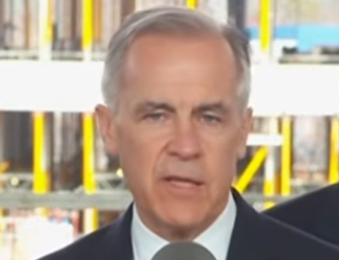
Canada just looked the United States in the eye and announced it won’t be sending a single naval ship to help secure the Strait of Hormuz. In the middle of a hot war where Iran has mined the chokepoint, attacked commercial vessels, and tried to strangle global oil flows, our northern neighbor is sitting this one out. Prime Minister Mark Carney and his crew made it official in the last week: no Canadian warships joining the effort to keep the strait open while American and Israeli strikes keep pounding the mullahs. This is supposed to be some kind of bold stand. It is not. It is the sound of a paper tiger folding its tent before anyone even asked it to fight.
“Canada can not, and will not be part of the bloodbath in Iran”
Don’t worry babe, you don’t have a single warship that could make it to kharg island without sinking. Not one.
— John Ʌ Konrad V (@johnkonrad) March 29, 2026
The Declaration That Changed Absolutely Nothing
The timing tells you everything. The war kicked off late February when U.S. and Israeli forces hit Iranian nuclear sites, command bunkers, and the IRGC’s missile factories. By mid-March, Tehran had blockaded the strait with mines, drones, and missiles. Three cargo ships took hits on March 11. Oil prices spiked. Two Canadian-flagged cargo vessels sat stuck in the Persian Gulf, unable to move. Yet Ottawa’s response was to hem and haw, sign a vague joint statement with some Europeans and Japan on March 19 about “contributing to appropriate efforts” if a ceasefire ever happens, and then quietly make clear that no ships are heading that way right now.
Carney talked about conversations with NATO partners and possibilities like cyber support or de-mining expertise – after the shooting stops. Defence Minister David McGuinty floated vessels as “on the table” only in the same conditional, post-ceasefire fantasy. Trump had called on allies to step up with real warships and troops. Canada rebuffed. That is the declaration: we are not coming. No Halifax-class frigate will steam into the Gulf to help clear mines or escort tankers. The maple leaf stays home.
Canada’s Navy: A Force That Couldn’t Fight Its Way Out of a Paper Bag
This refusal is not strategy. It is necessity dressed up as principle. The Royal Canadian Navy is a shadow of what a serious country would field. It has twelve Halifax-class frigates on paper. Four Victoria-class submarines that are diesel-electric relics. A handful of offshore patrol vessels and support ships. That is the entire blue-water fleet. In reality, the numbers are worse. Personnel shortages have gutted readiness – short about two thousand sailors, roughly a quarter of authorized strength. As of early 2026, more than half the fleet’s frigates, subs, and patrol ships are unserviceable at any given time because there are not enough trained crews or technicians to keep them sailing.
These are not ships built for sustained combat operations halfway around the world. The Halifax class can carry helicopters and fire missiles, sure, but they were designed for North Atlantic patrols and fisheries protection, not dodging Iranian speedboats and anti-ship missiles in the world’s most contested strait. Canada has no aircraft carriers, no dedicated mine countermeasures fleet worth mentioning, and no replenishment ships ready to keep a task force on station for weeks. Even in the 1991 Gulf War, when they sent three vessels as part of a massive coalition, it was a token effort that relied on American logistics and command.
Deploying even one or two frigates to Hormuz today would strip their Atlantic and Pacific commands bare. It would take months to prepare, cost a fortune they do not have, and deliver zero strategic impact. Iran would not notice. The strait would not get any safer. This is not a navy. It is a coastal defense force with delusions of grandeur.
The Real Reason Behind the Great Canadian No-Show
Canada is not staying out because it suddenly developed a spine against endless wars. It is staying out because its military has been hollowed out by decades of underfunding and priorities that have nothing to do with actual defense. Defense spending hovers well below what even NATO expects from serious members. The government talks a good game about alliances while its own ships rust at the dock and its soldiers train with equipment older than the troops using it.
This refusal is classic free-rider behavior. Ottawa knows the U.S. Fifth Fleet will handle the heavy lifting – carriers, destroyers, cruisers, and mine hunters already on station or surging into the region. Why risk Canadian sailors and ships when Washington will keep the oil flowing anyway? The same country that lectures the world on climate and multilateralism suddenly discovers it has no appetite for the hard part of keeping sea lanes open. Meanwhile, its own cargo ships sit idle because Tehran shut the strait. The irony is thicker than Toronto traffic.
America First Means We Do Not Need the Maple Syrup Navy
Here is the America First truth: we do not care. Not one whit. The United States Navy is the most powerful maritime force in human history. It does not require Canadian frigates to secure a vital chokepoint that supplies a huge slice of the world’s oil. We have done it before without them, and we will do it again. Their absence changes nothing on the water. It only confirms what we already knew: too many so-called allies treat American power as a free insurance policy while they spend their budgets on social programs and virtue signals.
Trump has been crystal clear with the alliance deadbeats – step up or step back. Canada just stepped back. Fine. No more pretending that token contributions from underfunded partners add real value. The strait will stay open because American resolve and American firepower make it so. Oil will flow. Prices will stabilize. The mullahs will keep getting the message they deserve.
Canada’s grand declaration of non-involvement is not a threat. It is a confession. It confesses that their military cannot project power, their politicians lack the will, and their entire security strategy depends on the United States anyway. We have bigger things to worry about than whether a couple of half-crewed frigates show up late to a fight we are already winning. The strait is ours to secure. The oil lanes matter to American wallets and American strength. Canada just reminded everyone why America First is the only policy that makes sense. They can sit on the sidelines all they want. The adults are handling it.