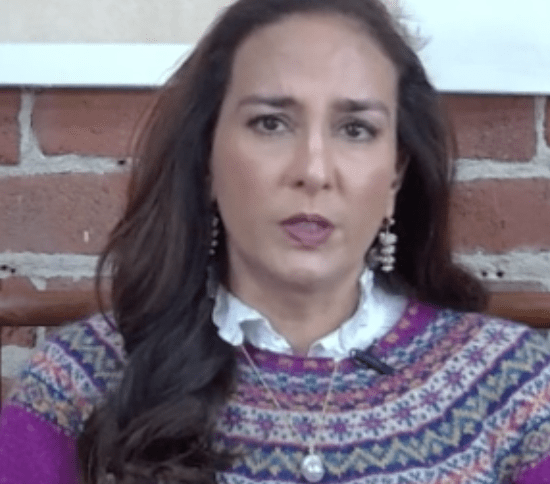
Harmeet Dhillon isn’t some desk jockey in Washington playing politics. As the Assistant Attorney General leading the charge on civil rights enforcement, she’s done what every prior administration dodged for decades: she cracked open the books on America’s voter rolls and exposed the rotting mess hiding in plain sight. The findings aren’t pretty. They’re a full-on indictment of the system the left has spent years defending as “secure” while ordinary Americans watched their votes get diluted by ghosts, duplicates, and people who have no business casting a ballot.
The numbers Dhillon’s team pulled from reviewing 50 to 60 million voter records paint a picture of systemic failure on a massive scale. Hundreds of thousands of ineligible names still clutter the lists—dead people who never got removed, folks who moved out of state years ago, and duplicate registrations stacking up between jurisdictions. Tens of thousands of noncitizens somehow ended up registered too, sitting there ready to potentially tip scales in tight races. This isn’t ancient history from 2020. This is fresh data from the Trump administration’s aggressive push starting in 2025, and it confirms what gut-level Americans have suspected all along: the rolls are a disaster, and the people in charge of fixing them have been asleep at the wheel or actively hostile to the idea.
🚨 EXCLUSIVE: @HarmeetKDhillon on Sunday Morning Futures
“We found at least 350,000 dead people currently on voter rolls.”
Dhillon says DOJ is suing 29 states + D.C. over voter roll access — and signals more action ahead on election integrity.
More with @MariaBartiromo👇 pic.twitter.com/Zu6FAGnU2V
— SundayMorningFutures (@SundayFutures) April 19, 2026
The Scale of the Rot That’s Been Allowed to Fester
Dhillon’s review didn’t stop at spotting the problem. It quantified it in ways that make excuses impossible. Out of those millions of records examined so far, the ineligible entries run into the hundreds of thousands across categories—dead voters, movers, duplicates. Noncitizens on the rolls? Tens of thousands confirmed. Actual confirmed cases of those noncitizens voting illegally so far number in the dozens, but that’s beside the point. The threat is the setup itself: bloated lists that invite abuse, especially in an era of mail-in ballots and lax verification in too many places.
This mess didn’t happen by accident. Federal law under acts like the Help America Vote Act demands regular maintenance—removing the dead, the departed, the duplicates. States are supposed to keep the lists clean as a basic duty to ensure every lawful vote counts equally. Instead, for years, many places treated that requirement like a suggestion. The result is exactly what Dhillon uncovered: rolls so stuffed with phantoms that confidence in elections craters, and the real victims are the citizens whose voices get drowned out.
🔥🚨BREAKING: Laura Lee Yourex, 62, of Costa Mesa, California is facing up to 6 years in prison after registering her dog to vote and casting ballots in her pet’s name during two different elections.
Yourex submitted mail-in ballots under the name of her dog, Maya Jean Yourex,… pic.twitter.com/mmz4DvPWuv
— 🇺🇸 Larry 🇺🇸 (@LarryJones) September 7, 2025
The Real Obstructionists Digging In Their Heels
The pushback against Dhillon’s cleanup effort has been fierce and predictable. Blue-state holdouts and their allies in the election bureaucracy have stonewalled at every turn, refusing to hand over full statewide voter lists despite clear federal requirements. The Justice Department has had to file lawsuits against 29 states plus the District of Columbia just to force compliance—actions ramping up from late 2025 into April 2026. Some states drag their feet citing privacy laws or bureaucratic hurdles. Others flat-out defy the requests, betting the courts will slow-walk the process until it’s too late.
Even worse, Democrat election lawyers have made a cottage industry out of suing states that try to clean up their own rolls, scaring officials into inaction with threats of endless litigation. Federal judges in some venues have thrown up roadblocks too, turning what should be straightforward enforcement into a slog. Dhillon has called it out directly: it’s frustrating as hell when the very people sworn to uphold the law treat transparency like an attack. Some states are complying voluntarily now that the heat is on, but the foot-draggers are the ones protecting the status quo that benefits one side of the aisle.
This isn’t incompetence alone. It’s calculated resistance from the same crowd that screams about “democracy” while fighting like cornered rats against basic list maintenance. They know clean rolls mean harder to rig outcomes in their favor, so they obstruct, delay, and litigate.
Will the Rolls Get Fixed Before the 2026 Midterms Hit?
Time is not on the side of full reform. The midterms are barreling toward us in November 2026, just seven months from now. Dhillon’s team has made real progress—suits filed, some data secured, voluntary compliance from a handful of states, and the public now seeing the hard evidence of the mess. But court fights don’t resolve overnight. Appeals, discovery battles, and judicial foot-dragging mean many of the worst-off states could still be litigating when ballots start printing.
That said, the pressure is working where it counts. The revelations alone have forced some movement, and the Trump administration’s no-nonsense approach has shifted the Overton window on election integrity. America First demands that every eligible citizen’s vote counts and no ineligible one dilutes it. Dhillon is delivering on that, but the entrenched resistance means voters heading to the polls in 2026 will likely still face rolls that aren’t perfectly pristine everywhere.
The good news? The cat is out of the bag. The hundreds of thousands of ineligible entries aren’t some conspiracy theory anymore—they’re documented fact from the federal government’s own review. The left can deny and obstruct all they want, but the American people see the scoreboard now. Real cleanup might not hit 100 percent perfection by November, but the momentum is unstoppable. The era of phantom voters propping up one party’s machine is cracking under the weight of actual enforcement. And that’s a victory worth fighting for, no matter how loud the howls from the usual suspects get.