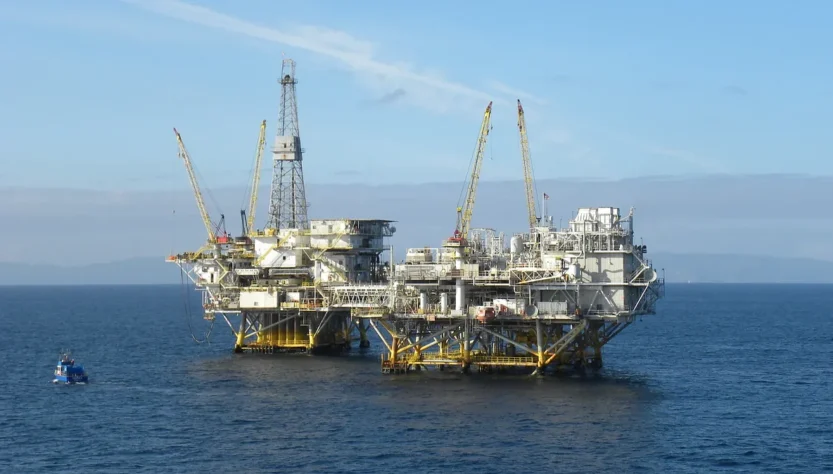
The United States is drowning in its own crude. We set another production record in 2025, pumping out 13.6 million barrels a day and shipping millions more overseas every single week. We became a net exporter of total petroleum years ago and kept the title through 2025 even as crude exports hit 4 million barrels a day. Yet here we are in May 2026 staring at a national average regular gasoline price hovering around $4.45 a gallon after another nasty spike. This isn’t some mystery of the universe. It’s the direct result of two decades of deliberate policy choices that strangled domestic refining while the rest of the world figured out how to turn our light sweet crude into cash. The America First energy dominance everyone cheered for on paper is being held hostage by aging refineries, environmental red tape, and a global market that doesn’t give a damn about our production numbers.
We Export Crude Because That’s What the World Wants
U.S. crude production climbed another 3 percent in 2025 to that record 13.6 million barrels a day. Exports averaged 4 million barrels a day last year – down a tick from the prior year but still massive compared to a decade ago. Net crude imports fell to 2.2 million barrels a day, the lowest since the early 1970s. On paper we look like energy kings.
The catch? Most of what we pump is light, low-sulfur crude that foreign buyers love for their own refineries. We ship it to Europe, Asia, and elsewhere because it commands a premium on the global market. At the same time we keep importing heavier, sourer crude – mostly from Canada – because that’s what our existing refineries were built to process back when we were a net importer nation. Retrofitting the whole system to run more domestic light crude would cost billions and take years. So the barrels flow out, the heavy stuff flows in, and the price at the pump reflects the global cost of crude no matter how much we produce at home.
Refining Capacity Is Shrinking While Demand Doesn’t
Here’s the real choke point. The United States has not built a brand-new refinery in decades. Instead, we’re watching capacity bleed away. Major facilities closed in 2025 and more are scheduled through 2026, including big ones on the West Coast that handle a huge chunk of regional supply. Utilization rates are already running in the high 80s to low 90s percent, flirting with the upper limits of what these plants can safely sustain without breaking down.
Fewer refineries processing roughly the same volume of crude means tighter gasoline and diesel inventories. Crack spreads – the margin refiners make turning crude into fuel – stay wide because product supplies stay tight. Add in seasonal summer driving demand and the occasional maintenance turnaround and you get exactly the kind of price pressure we’re seeing right now. The system has almost no slack. One disruption anywhere in the chain and the whole country feels it at the pump.
The largest oil refinery in the United States is the Motiva Port Arthur Refinery in Port Arthur, Texas, operated by Motiva Enterprises (Saudi Aramco). It is the largest in North America, with a refining capacity exceeding 630,000–654,000 barrels per day (bpd). [1, 2, 3] pic.twitter.com/t7XZ4yO9t1
— Heather’s Vintage Collectibles (@s_vintage) May 4, 2026
Global Markets and Geopolitics Still Rule the Price
Oil is a global commodity. When Brent crude spiked above $100 a barrel earlier this year amid Middle East tensions, U.S. refiners paid the world price for the barrels they needed. Domestic producers sold their light crude into that same market because they could get more money overseas. American drivers ended up competing with the rest of the planet for the finished gasoline their own refineries produced.
Taxes, distribution costs, and state-specific rules pile on top, but the crude cost is still roughly half the pump price. No amount of domestic drilling changes that equation as long as the refining bottleneck remains. We can flood the world with crude and still watch gas prices climb because the barrels that actually reach your tank have to run through a system deliberately kept on a short leash by decades of regulation and activist pressure.
The America First Fix That’s Still Years Away
This mess didn’t happen by accident. Previous administrations treated new refinery construction like a sin against the climate gods. Environmental reviews, lawsuits, and permitting nightmares made sure nothing got built while demand kept growing. The current administration is reversing some of the worst policies and pushing for more domestic energy, but you can’t snap your fingers and add hundreds of thousands of barrels a day of new refining capacity. That takes time, capital, and political will that was missing for far too long.
In the meantime the exports keep flowing, the imports of the “right” crude keep coming, and the refineries we have left run flat out just to keep up. Gas prices stay stubbornly high because the system was designed by people who never wanted true energy independence in the first place. They wanted control, scarcity, and a convenient excuse to lecture the rest of us about sacrifice.
The production numbers don’t lie. America is an oil powerhouse. The refining numbers tell the rest of the story: we’re still one policy-induced bottleneck away from feeling like a third-world gas line every summer. Until we stop treating domestic refining like an environmental crime and start treating it like the national security priority it actually is, the price at the pump will keep reminding us who really calls the shots. The oil is here. The will to refine it at home needs to catch up.