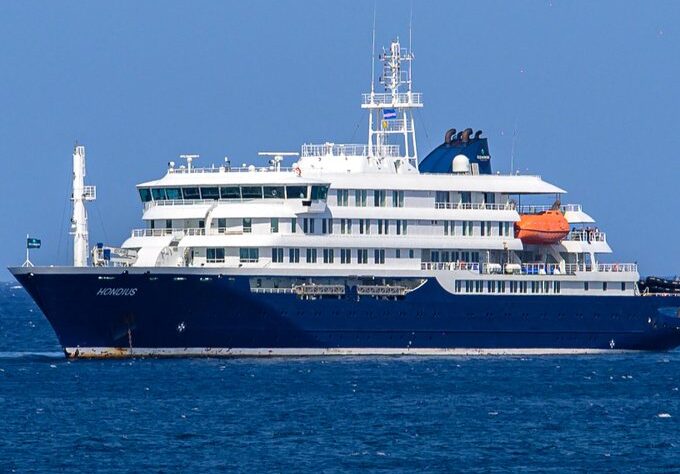
Recent headlines regarding a cluster of respiratory illnesses on a vessel in the South Atlantic have sparked a wave of speculation. Claims of a new “plandemic” and perfectly timed vaccine patents are making the rounds, often stripping away the essential context of this particular situation. To understand the actual risk, it is worth looking at the specific nature of this event, the virus involved, and the reality of modern medical care.
An Expedition, Not a Cruise
The primary setting for this story is the MV Hondius, which is frequently labeled a “cruise ship.” While technically correct in maritime terms, there is a massive functional difference. The Hondius is an expedition vessel—a rugged “floating basecamp” designed for remote exploration in places like Antarctica and South Georgia.
Hantavirus Patient Zero Was Dutch Birdwatcher Who Toured Massive Rat-Infested Landfill in Argentina’s ‘City at the End of the World’ Just Days Before Deadly Cruise Ship Outbreak
— The Gateway Pundit (@gatewaypundit) May 9, 2026
READ: https://t.co/z1OZD80ArQ pic.twitter.com/WVbz8fuCfQ
Unlike a massive 5,000-passenger resort ship that docks at major cities with world-class hospitals, an expedition ship carries fewer than 200 people. These travelers are out in the elements, either trekking through rural, wild environments or studying bird-attracting landfills—the exact habitats where the virus originates. The isolation of being thousands of miles from a mainland hospital is the primary factor in why this specific cluster became tragic, rather than a manageable medical incident.
The Myth of Easy Transmission
One of the most persistent fears being stoked is that this is “the next COVID.” However, Hantavirus is notoriously difficult to spread between humans. Most strains of the virus do not spread person-to-person at all; they are contracted almost exclusively through contact with infected rodent droppings in rural settings.
The specific strain found on the Hondius is the Andes virus, which is the only version known to allow for any human-to-human transmission. Even then, it requires prolonged, intimate, and close contact—the kind of proximity found in a small cabin or a shared communal table on a tiny ship at sea. It simply does not spread through the air over long distances, making the risk to the general public virtually zero.
Understanding the “40% Death Rate”
The figure of a 40% mortality rate is often tossed around to cause alarm, but it lacks critical perspective. This percentage is a “case fatality rate” typically observed in micro-environments such as the Andes mountains or remote rural areas where specialized medical equipment is nowhere to be found.
Hantavirus affects the heart and lungs, and in a remote setting—like a ship in the middle of the South Atlantic—the inability to access a modern Intensive Care Unit (ICU) is what makes it dangerous. When patients are identified early and moved to a modern facility, the prognosis changes dramatically.
The Reality of Modern Care
While there isn’t a “magic pill” for hantavirus, it is highly manageable with modern supportive care. In a proper hospital, doctors use mechanical ventilation and fluid management to support the patient until the body clears the virus. In fact, several patients evacuated from the ship to Europe are already in stable condition. The tragedy on the ship was a result of geography and timing, not a lack of medical capability.
NEW: At least one American has tested positive for the hantavirus as passengers exposed to the virus on a cruise ship are now back on U.S. soil.
— Fox News (@FoxNews) May 11, 2026
Seventeen U.S. passengers are headed to Omaha, Nebraska, where they’ll spend 42 days in quarantine as doctors urge the public not to… pic.twitter.com/uzaQ1KreR9
Addressing the Scare-Mongering
Despite the contained nature of this incident, a number of scare-mongering power-hungry NGOs, Big Pharma shills, and their influencers have seized upon the story to fan the flames of a new “lockdown” narrative. By exaggerating the threat of a virus that requires extremely close contact to transmit, these groups are attempting to manufacture a sense of crisis.
Jake Rosmarin, was also pushing the Covid jabs during Covid what’s the chances. pic.twitter.com/xVOzb0H7hT
— Dr Dave Cartland BMedSc MBChB Ex-MRCGP (@CartlandDavid) May 11, 2026
It is essential to recognize that broad restrictive measures are absolutely not required for a cluster of this nature. The “perfect timing” of this hysteria appears less about public health and more about a coordinated effort to use fear as a tool for political influence.
Tinfoil hat wearer: We remember the Covid cruise ships. So, we still don’t trust the elites not to weaponize this perfect virus for panic, but this incident appears to be an accidental outbreak.
And we remember this
‼️ 323 vials containing deadly viruses go missing from a lab in Australia — ABC News
— NEXTA (@nexta_tv) December 11, 2024
Among them, nearly 100 vials contained the Hendra virus (transmitted from horses to humans, with a 57% fatality rate). Two vials contained the hantavirus (spread by rodents, with a 38% fatality… pic.twitter.com/ymwq8TWHEX