
WASHINGTON, May 12, 2026 — As America grapples with surging electricity demand from AI data centers, industrial growth, and the push for energy independence, a new generation of mini nuclear reactors is moving from concept to reality. The Department of Energy is on track to bring at least three small modular reactors online by July 2026 at Idaho National Laboratory, marking a historic leap in advanced nuclear technology that promises affordable, carbon-free power with unmatched reliability.
🚨 FUTURE ENERGY SIGNAL
— TheNewPhysics (@CharlesMullins2) May 11, 2026
The future of nuclear power may no longer look like giant cooling towers.
It may fit inside compact modular systems built in factories.
The U.S. Department of Energy is developing small modular reactors (SMRs) designed to deliver nuclear power with… pic.twitter.com/3rXvvX1swC
These compact “mini” reactors — ranging from small modular reactors under 300 megawatts to even smaller microreactors producing just 1-20 MW — are factory-built, transportable, and designed for rapid deployment. Unlike massive traditional plants that can take a decade or more to construct, these modular units can be assembled quickly, sited flexibly, and scaled as needed. Experts hail them as the key to meeting exploding power needs while slashing emissions.
Strong Federal Push and Leadership
Energy Secretary Chris Wright has emphasized urgency in congressional testimony: “These reactors have been talked about for 15 years. Let’s get them on the ground.” The DOE’s Energy Reactor Pilot Program, launched in 2025, has fast-tracked testing of cutting-edge designs from companies including Oklo Inc., Radiant Industries, and Aalo Atomics. These reactors use advanced fuels like high-assay low-enriched uranium for greater efficiency, smaller footprints, and dramatically reduced waste compared to older
Military and National Security Applications
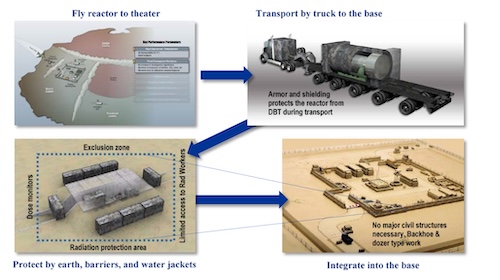
The push extends beyond civilian power. The U.S. Army’s Janus Program aims to deploy microreactors at domestic bases, building on the Pentagon’s Project Pele. Nine Army installations are under consideration, while the Air Force has selected Oklo’s Aurora powerhouse for its first microreactor pilot at Eielson Air Force Base in Alaska. This sodium-cooled fast reactor will deliver up to 5 MW of electricity and heat, operating independently of the grid for mission-critical resilience in remote Arctic conditions.
These trailer-sized or containerized units can replace diesel generators, eliminate vulnerable fuel supply lines, and provide clean baseload power anywhere — from forward operating bases to isolated outposts.
Why Mini Reactors Are a Game-Changer
Proponents highlight overwhelming advantages. Small modular reactors and microreactors feature inherent safety through passive cooling systems that shut down automatically without power or human intervention. Their small size means lower upfront capital costs, shorter construction timelines, and the flexibility to power everything from remote communities to energy-hungry data centers.
With U.S. electricity demand projected to surge significantly in the coming years, nuclear’s 24/7 reliability — unlike weather-dependent renewables — makes it indispensable. Tech giants are already exploring these reactors for dedicated clean power, while industries see potential for high-temperature process heat in hydrogen production and manufacturing.
Global Momentum Builds
The United States is not alone. Canada is constructing GE Hitachi BWRX-300 SMRs at Darlington, with the first unit expected online by the decade’s end. China plans to bring its ACP100 SMR online in 2026, and France’s EDF aims for 30 small reactors by 2050. This international progress underscores the technology’s growing viability worldwide.
Overcoming Challenges, Embracing the Future
Past concerns about cost and risk are being addressed through federal support, streamlined licensing, and innovative designs that produce a fraction of the waste of legacy plants. With three SMRs slated for operation this summer at Idaho National Lab and military pilots advancing rapidly, mini nuclear reactors are poised to deliver the clean, secure, abundant energy America needs.The nuclear renaissance isn’t coming — it’s here. And it’s small, smart, and unstoppable.