Tick Season on the Rise
Tick populations and related illnesses have surged in recent years across much of the United States, driven by milder winters, climate shifts, expanding deer populations, and changing land use. In 2026, emergency department visits for tick bites are running significantly higher than usual for this time of year, with rates in many regions at their highest since tracking began. Beyond the immediate annoyance of bites, ticks transmit serious threats including Lyme disease (the most common tick-borne illness, with hundreds of thousands of cases annually) as well as emerging conditions like Alpha-gal syndrome—a potentially lifelong allergy to red meat and other mammalian products triggered by lone star tick bites, which has seen dramatic increases in diagnoses.
What is Sulfur Dust?
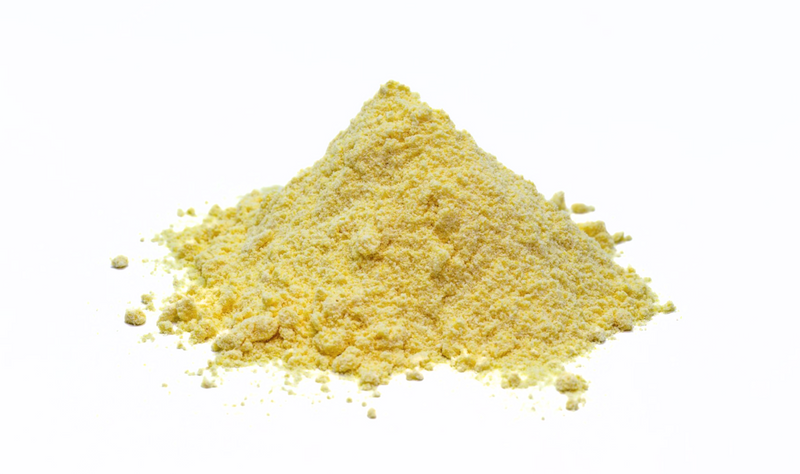
Sulfur dust, also known as powdered sulfur or flowers of sulfur, is a fine yellow powder form of elemental sulfur. It has a strong, distinctive rotten-egg odor and has long been used as a natural repellent for ticks, chiggers, and other biting pests.
How It Works for Tick Prevention
Sulfur dust is applied topically by lightly dusting clothing, shoes, socks, pant legs, or exposed skin—especially on the lower legs. A popular method is the “sulfur sock”: fill the toe of an old thin sock with sulfur dust, tie it closed, and use it like a powder puff to pat the dust onto boots, socks, and pants. This creates a light coating that deters ticks as you walk through grass, woods, or brushy areas.I
t is a traditional folk remedy widely recommended by outdoor enthusiasts, hunters, and some extension services.
Many users report significantly fewer tick attachments, though results can vary. It is generally less potent than synthetic repellents like DEET or permethrin-treated clothing but serves as a low-cost, natural option. Some people also dust garden paths or yard perimeters to help reduce local tick and flea populations.
Protect yourself from ticks! pic.twitter.com/PRuugYdJy7
— Kelly Guy (@KellyGuy) May 17, 2026
Safety Notes
Sulfur dust has a strong smell that can linger on clothing and skin. Apply it outdoors to avoid inhaling the fine powder, which can irritate the lungs. It is considered relatively low-toxicity for occasional personal use but can stain light fabrics and may cause skin irritation in sensitive individuals. Always follow product label directions and combine it with other prevention steps such as tucking pants into socks, wearing light-colored clothing, and performing thorough tick checks after outdoor activities.
Where to Get Sulfur Dust
Sulfur dust is readily available as a garden product (often labeled as a fungicide or insecticide). You can find it at:
- Local garden centers, farm supply stores, or hardware stores such as Home Depot or Tractor Supply.
- Online retailers including Amazon and Walmart (search for “sulfur dust” or “flowers of sulfur”).
Look for pure or garden-grade elemental sulfur in small containers (1–2 pounds), which are inexpensive and last a long time because only a small amount is needed per application. Avoid products with unnecessary additives for best results in tick prevention.