America Controls the Oil Lifeline Iran Thought It Owned
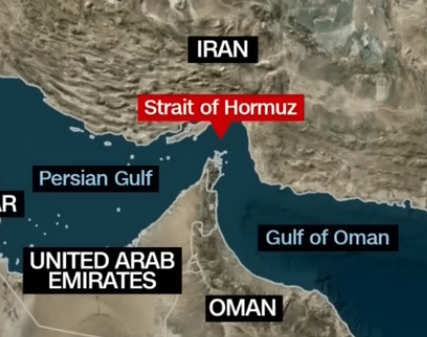
President Trump just dropped another bombshell that has the foreign policy establishment and legacy media scrambling. The U.S. military, under his direction, executed a highly effective secret operation that moved over 100 million barrels of oil through the Strait of Hormuz aboard more than 200 commercial ships — all while Iran remained largely in the dark or powerless to stop it. This happened amid the ongoing conflict that began in late February 2026, when Iran tried to choke off the vital waterway in retaliation for U.S. and Israeli actions. Instead of letting Tehran dictate global energy flows, America stepped up, stabilized markets, and reminded the world who actually holds the cards in that narrow chokepoint. This is America First foreign policy delivering real results: keeping oil moving, prices from exploding, and adversaries on their heels.
The UNITED STATES of AMERICA CONTROLS the Strait of Hormuz — NOT Iran. pic.twitter.com/DbPPYKy5Ef
— The White House (@WhiteHouse) June 10, 2026
The Context: Iran’s Failed Blockade
The Strait of Hormuz, the narrow passage carrying a huge chunk of global oil exports from the Persian Gulf, became a flashpoint after the escalation with Iran. Tehran declared it closed or heavily restricted, laying mines, launching attacks on vessels, and trying to enforce a toll or blockade that would spike world prices and pressure the U.S. and allies. Normal traffic plummeted over 90 percent in the early weeks. Iran figured it had leverage as the self-proclaimed guardian of the strait.
Trump and the military had other ideas. Rather than full-scale escorts that could escalate into broader war, they pursued a smarter, lower-profile approach focused on enabling commercial traffic while degrading Iranian capabilities through prior strikes on their naval assets, radars, and command structures.
How America Pulled It Off
The operation, elements of which were dubbed Project Freedom in earlier phases, relied on U.S. naval superiority, intelligence dominance, and tactical ingenuity:
- Going Dark: Ships turned off their Automatic Identification System (AIS) transponders — “sailing dark” — to avoid electronic detection. This made them harder for Iranian forces to track and target.
- U.S. Central Command Guidance: Vessels contacted CENTCOM for real-time routing advice, timing, and threat assessments. The military used radar, drones, aircraft, and other assets to monitor the area and provide safe corridors, often hugging the Omani side of the strait.
- Degraded Iranian Eyes and Ears: Earlier U.S. and Israeli strikes had knocked out significant portions of Iran’s radar network, coastal defenses, and naval presence in the region. With reduced surveillance and fewer operational assets, Iran couldn’t effectively patrol or interdict the stealthier passages.
- Night Operations and Coordination: Many transits happened under cover of darkness with no lights where possible. Over roughly a month, this quiet coordination scaled up to over 200 ships carrying more than 100 million barrels without major incidents attributable to Iranian interference.
Trump revealed the success publicly on June 10, 2026, emphasizing that the U.S. effectively controls the strait, not Iran. Energy Secretary Chris Wright and others clarified that the effort supported legitimate commercial shipments from Gulf producers (Saudi Arabia, UAE, etc.), not Iranian oil itself, helping stabilize global supplies and prevent worse price spikes.
BREAKING: The U.S. is taking “millions of barrels of oil” out of Iran every night, President Trump announces.
“I’m going to tell you because they just figured it out. So now that they figured it out, I can tell you it was very hard for me. I wanted to say it so badly.”
“When… pic.twitter.com/sf3rucqhAj
— Fox News (@FoxNews) June 10, 2026
The Strategic Payoff
This operation kept oil flowing at a critical time, holding prices in the $90-94 range despite massive disruptions instead of letting them surge toward $150+ as some feared. It demonstrated U.S. naval and technological edge without committing to endless escorts or direct confrontation. It also bought time for diplomatic pressure on Iran while showing allies and adversaries alike that America won’t allow any single regime to hold the global economy hostage.
Iran’s military and economy took hits from the broader conflict, further limiting their ability to enforce the blockade. The revelation underscores Trump’s realist approach: project strength, use leverage, avoid unnecessary wars, and deliver for American interests and global energy stability.
Critics will spin this as reckless or unverifiable, but the results speak louder. Markets responded, shipping resumed in trickles that added up, and Iran got another reminder of its diminished power. This is classic Trump: bold, effective, and unapologetic about putting America and its energy security first. The Strait remains a vulnerability, but under strong leadership, it’s one America is prepared to manage — on our terms.