Why You Should Never Plant Nandina domestica
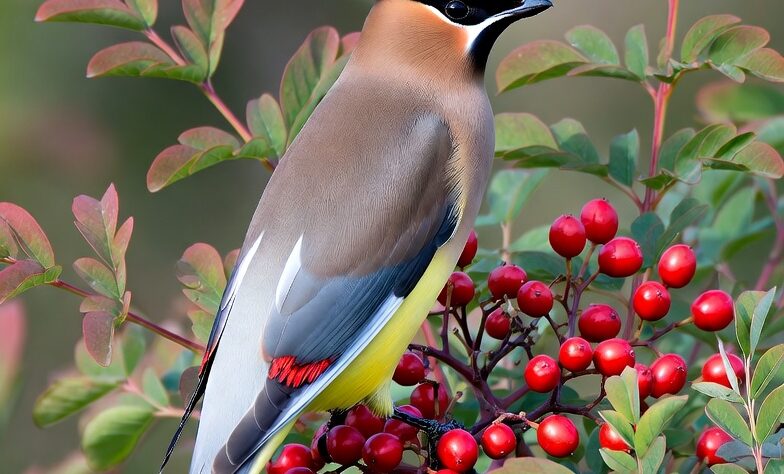
Cedar waxwings are beautiful, nomadic fruit-eaters that brighten winter landscapes with their sleek crests, black masks, and yellow-tipped tails. Unfortunately, an all-too-common ornamental shrub is putting them at risk: Nandina domestica, also known as Heavenly Bamboo or Sacred Bamboo.
How Nandina Kills Cedar Waxwings: The Deadly Process
Nandina berries contain cyanogenic glycosides — compounds that release hydrogen cyanide when crushed or digested. Most birds eat just a few berries and move on, but cedar waxwings have a unique feeding frenzy behavior. A flock can descend on a bush and strip it bare in minutes, gorging until their crops and stomachs are packed full. As the berries break down in the bird’s digestive system, cyanide is released in large quantities. This overwhelms the waxwing’s ability to detoxify the poison. Symptoms progress rapidly:
- Tissue damage, especially in the lungs, liver, kidneys, and brain
- Severe congestion, hemorrhaging, and edema (fluid buildup)
- Respiratory failure and death, often within hours
Necropsies of affected birds show intact or partially digested Nandina berries in the gut, along with widespread internal bleeding consistent with acute cyanide poisoning. While ripe red berries become somewhat less toxic over time, unripe or recently fallen ones are especially dangerous. This isn’t a rare event — documented cases have occurred in Georgia, Texas, North Carolina, and elsewhere.How to Spot Nandina domesticaLook for these distinctive features:
- Growth habit: Upright, cane-like stems (resembling bamboo but not true bamboo) forming clumps. Mature plants reach 6–10 feet tall and 3–5 feet wide; dwarf cultivars stay smaller (1–4 feet).
- Leaves: Lacy, compound (bi- or tri-pinnate) with slender, oval-to-lance-shaped leaflets 1–3 inches long. New growth is reddish or bronze, turning deep green in summer and often purplish-red in fall/winter.
- Flowers: Small, white-to-pinkish in large terminal clusters (panicles) in late spring/early summer.
- Berries: Bright, glossy red (sometimes orange-red), round, about ⅓ inch across, in dense clusters that persist through winter.
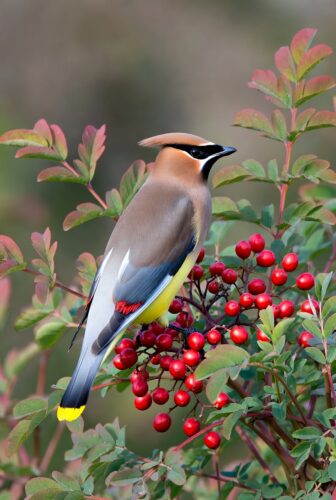
Nandina is evergreen or semi-evergreen, thrives in full sun to partial shade, and is drought-tolerant once established.
Why You Should Not Plant It — and What to Do Instead
- Invasive: Nandina spreads aggressively by seeds (birds disperse them) and underground rhizomes. It invades forests, displacing native plants.
- Toxic to more than birds: All parts (leaves, stems, berries) are poisonous to pets, livestock, and humans if eaten in quantity.
- Low wildlife value: While the berries look appealing, they provide poor nutrition compared to native options and can be lethal.
Action steps:
- Don’t plant it. Choose non-fruiting cultivars only if you must keep existing plants, but removal is best.
- Remove existing plants: Dig out roots thoroughly (even small fragments regrow). Cut off and bag berries before they ripen to prevent bird access and seed spread. Dispose in trash — do not compost.
- Replace with bird-safe natives: Eastern red cedar (Juniperus virginiana), serviceberry, dogwood, holly, or spicebush. These offer nutritious berries without the cyanide risk.
By removing Nandina and planting native alternatives, you can create a truly bird-friendly garden. Share this article to help spread the word — our cedar waxwings depend on it. If you see grounded or dead waxwings near suspected Nandina, contact local wildlife rehabbers and consider reporting to your state’s wildlife agency.
Safety Advice
- For households with young children: Treat it cautiously—remove berries if possible, or avoid planting it altogether. Supervise children around the shrub.
- General handling: The plant can cause minor skin or eye irritation in sensitive individuals, but this is uncommon.
- Pets vs. humans: It poses a greater risk to dogs, cats, and livestock (cyanide effects are more pronounced in animals that eat larger amounts), but still rarely fatal in small companion animals.