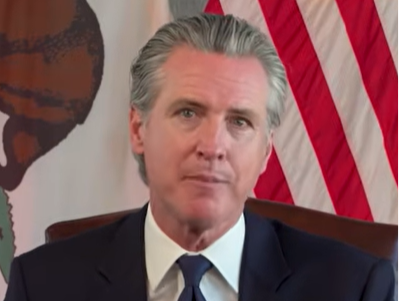
Gavin Newsom’s Epic Squander Turns Golden State into Debt-Ridden Disaster
Gavin Newsom loves to play the visionary governor, strutting around with his climate crusades and progressive platitudes while California’s finances circle the drain. But the numbers tell a different story—one of reckless spending, missed opportunities, and a once-thriving state left teetering on the edge. The latest budget? A whopping $351 billion for 2026-27, a staggering 40% increase since Newsom took office in 2019. That’s not stewardship; that’s a taxpayer-funded joyride that’s saddling future generations with the hangover.
From Surplus to Shortfall: The Newsom Legacy
When Newsom inherited the reins from Jerry Brown, California boasted a projected $21.4 billion surplus. Fast-forward through years of record spending, and the state now grapples with recurring multibillion-dollar deficits. What do Californians have to show for it? Expanded Medi-Cal coverage—including for illegal immigrants—a massive homelessness bureaucracy that shows little progress, housing initiatives that drive up costs, and endless green spending on climate fantasies while wildfires rage and infrastructure crumbles.
This is just sad.
California spends 8 to 10 times more on services for illegal immigrants than it does on veterans services from the General Fund.
And now the legislature is trying to mislead the people of California with another Trojan horse ballot title by calling this… pic.twitter.com/mryiPNUqgY
— David Tangipa (@DavidTangipa) June 26, 2026
The new plan pours more into special education, child care, and wildfire prevention, funded partly by extending taxes and squeezing business breaks. Critics rightly hammer the priorities: over $10 billion funneled to services for illegal immigrants while veteran programs scrape by on about $500 million. It’s the classic progressive shuffle—virtue-signal on borders and equity while shortchanging those who actually served the country.
Gavin Newsom turned a surplus into a defecit. Despite California having some of the highest taxes in the country. Florida which is ran by Ron desantis has no state income tax yet Florida is projected to have a budget surplus of 3.8 billion dollars for the next fiscal year.
— the policy wonka (@willengel743466) October 28, 2025
A Former Insider Sounds the Alarm
John Moorlach, who served as a state senator from 2015 to 2020 on the Budget and Fiscal Review Committee, knows the mess from the inside. As senior fellow at the California Policy Center, he pulls no punches: Newsom blew a once-in-a-generation chance to shore up the state’s books. “Spending went up, and reducing debts was not focused on as strongly as it should have been,” Moorlach notes. The administration didn’t tackle unfunded retiree medical liabilities or ramp up pension payments aggressively. Paying down debt isn’t flashy, but it’s responsible—something missing in Sacramento’s funhouse.
Moorlach’s long-running ranking of states by unfunded pension debt per resident tells the tale. California started at 41st when Brown handed off the keys. After nearly eight years of Newsom, it sank to 44th—despite some suspicious “error correction” in the 2024 financial reports that artificially boosted numbers by $46.2 billion, half of a nationwide $100 billion positive shift in unrestricted net positions. Dig deeper, and it’s accounting sleight-of-hand, not fiscal discipline. California should be a powerhouse with Silicon Valley titans and global corporations, yet it’s mired in mediocrity because ideology trumped stewardship.
The Reckoning Looms
Those unfunded liabilities don’t vanish—they land on taxpayers when revenues dip. A recession? It gets ugly fast, with residents squeezed by higher costs and stagnant services while debts compound. Newsom’s approach—classic big-government liberalism—prioritizes expansive programs over rainy-day fundamentals. Homelessness spending balloons without visible results. Medi-Cal expands to cover more non-citizens, straining the system. Climate initiatives burn cash on unreliable energy while blackouts loom.
This isn’t sustainable governance; it’s a warning. California’s budget explosion reflects a broader Democratic affliction: chasing utopian visions while ignoring basics like solvency and priorities. Working families foot the bill through high taxes, sky-high living costs, and declining quality of life. Businesses flee to red states with saner fiscal policies. Population growth stalls as natives and strivers head for exits.
The pattern nationwide mirrors this mess—Democrats in power rack up spending, dodge hard choices, then blame external forces when deficits bite. Newsom’s final acts cement a legacy of squandered surplus and structural weakness. Californians deserve better than performative progressivism that leaves the state vulnerable. Fiscal reality doesn’t care about press releases or celebrity governors. The bill is coming, and taxpayers will pay it—unless voters demand adults who treat budgets like households, not slush funds. The Golden State’s shine is fading fast under this mismanagement. Time to course-correct before the next downturn turns cautionary tale into catastrophe.