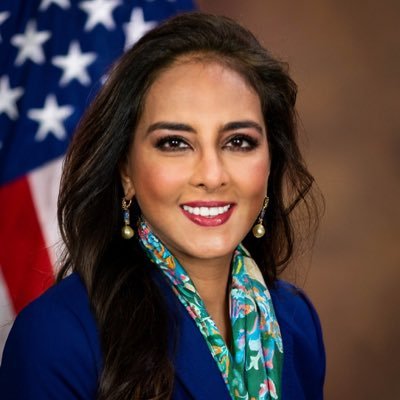
Assistant Attorney General Harmeet Dhillon is not playing around with the sacred right to vote. In a series of direct moves this week, she sent a clear message to officials across the country: clean up your voter rolls or face real consequences. The Department of Justice is watching, and the era of looking the other way on eligibility is ending fast.
This is not some symbolic gesture. It is targeted enforcement aimed at protecting the integrity of American elections. The 2026 midterms are already shaping up differently because of it.
HOLY COW! @HarmeetKDhillon the AAG for the Civil Rights Division of the DOJ
said election monitors will be sent to 6 states for the primaries:
▪️Arizona
▪️Massachusetts
▪️Michigan
▪️Minnesota
▪️New Hampshire
▪️VirginiaPresident Biden’s administration sent election… pic.twitter.com/XF1oq37ip8
— ThePersistence (@ScottPresler) July 8, 2026
The Letters That Changed the Game
On Tuesday, Dhillon fired off letters to election officials in all fifty states and Washington, D.C. The message was blunt. Any official who knowingly keeps non-citizens on the statewide voter registration list, sends them ballots, or allows those ballots to be cast and counted could face criminal prosecution.
She cited long-standing federal laws that make it illegal for non-citizens to vote in federal elections and that treat false claims of citizenship as a serious offense. The letters also warned about aiding and abetting violations and even conspiring to dilute the votes of eligible citizens. States got five days to explain exactly how they plan to maintain clean lists and comply with the law.
Dhillon made it personal in follow-up comments. Every illegal vote that cancels out a citizen’s vote is one too many. She stressed that the right to vote belongs to Americans, and the federal government has both the authority and the duty to enforce that boundary.
Government reviews in states already working with the DOJ turned up tens of thousands of non-citizens on voter rolls. In some places, the numbers reached into the hundreds of thousands when including dead voters and other ineligible entries. Recent prosecutions of actual non-citizens who voted illegally, including one Australian citizen just this week, show the problem is not theoretical.
🚨 BREAKING: DOJ has just told at least 10 states that top election officials can be PROSECUTED if they allow noncitizens to vote in the 2026 midterms — NYT
AAG Harmeet Dhillon is on a WARPATH for secure elections! 🔥
DHILLON: “Any election officer, including the chief election… pic.twitter.com/iAXl6DdIwi
— Eric Daugherty (@EricLDaugh) July 8, 2026
Monitors Deployed to Six Key States
At the same time, the DOJ announced it is sending federal election monitors into six states ahead of remaining primaries and the general election: Arizona, Massachusetts, Michigan, Minnesota, New Hampshire, and Virginia.
These are not random choices. The jurisdictions getting extra eyes include places with documented past problems — Maricopa County and Apache and Pima Counties in Arizona, Detroit and Lansing areas in Michigan, Hennepin and Ramsey Counties in Minnesota, Boston and New Bedford in Massachusetts, Manchester and Nashua in New Hampshire, and Fairfax and Prince William Counties in Virginia.
Monitors will observe the process directly. Dhillon has also pushed the use of federal immigration databases to cross-check eligibility. The goal is simple: catch problems before they affect outcomes and deter anyone tempted to cut corners.
This builds on broader efforts to restore basic standards. Dhillon has emphasized that cleaning rolls is ground zero. When states cooperate, the federal government helps identify and remove ineligible entries. When they drag their feet, the pressure increases.
Why This Matters for 2026
The midterms are less than four months away in many places. Close races for Congress, governorships, and state legislatures can turn on small margins. Even a few hundred or a few thousand ineligible votes in the right districts can flip results or create the appearance of fraud that undermines confidence.
Dhillon’s approach changes the incentives. Election officials now know the feds are serious about enforcement. The threat of criminal liability for knowing violations is not empty talk when backed by actual prosecutions and on-the-ground monitoring. States that have been lax suddenly have strong reason to purge their lists aggressively and verify citizenship properly.
Voter confidence gets a boost when people see real accountability. Americans have grown tired of excuses about why ineligible names stay on the rolls or why basic checks are treated as optional. This move forces the issue into the open. It treats the vote as a citizen-only privilege that must be protected, not a system anyone can game.
Critics will scream about intimidation. That is the usual response when someone finally enforces rules that were always on the books. The reality is different. These steps level the playing field. They make it harder for any side to benefit from sloppy or deliberate inclusion of non-citizens. They send a signal that the days of treating election administration as a political tool rather than a neutral duty are over.
The Bigger Picture
Dhillon is operating in a Civil Rights Division that is finally prioritizing the rights of actual citizens over expansive interpretations that weaken safeguards. Her actions fit a consistent America First focus on sovereignty — borders, laws, and now the most basic act of self-government.
The 2026 elections will feel the difference. Primaries already underway or coming soon will see tighter scrutiny in monitored areas. By November, more states will have cleaner rolls because the alternative carries personal risk for the people running the system. Turnout among eligible voters may rise as confidence returns. Attempts to expand voting access without eligibility checks will face pushback.
This is not about suppressing votes. It is about ensuring only legal votes count. Every citizen’s ballot should matter equally. When non-citizens slip through, that equality breaks. Dhillon’s moves restore it.
The left spent years downplaying or denying the issue while fighting every attempt at verification. The Trump administration is done debating. It is acting. Election officials who take their oath seriously have nothing to fear. Those who treated citizenship as optional just got a very clear reminder that the law still applies.
The 2026 midterms are going to be cleaner because someone finally decided to make the rules mean something again. That is how you protect the republic — one enforceable standard at a time.