Anyone who has grown strawberries knows the heartbreak. You baby the plants all season, and then the bugs get to the berries before you do.
Researchers at North Carolina State University may have found a better way. They built a knitted fabric cover called Plant Armor, and in three seasons of field tests it helped strawberry plants produce up to 3.56 times more fruit than uncovered plants.
The study was published in the journal Agriculture and announced by NC State in late September.
A crop cover built like a maze
Most commercial crop covers are a single layer of fabric. Small insects can work their way through fairly quickly.
Plant Armor is different. It has three knitted layers, according to NC State. The two outer layers are made of clear yarn that lets sunlight in. The middle layer is knitted at a right angle to the others, creating a twisting path inside the fabric.
“The insect has to figure out how to get through the maze to get to the plant,” said Mike Roe, the senior researcher on the project, in an earlier university report.
The fabric is porous, so rain and air pass through. But bugs have a much harder time.
The earlier tests
The team first tested Plant Armor on cabbage, with results published in 2022, according to NC State.
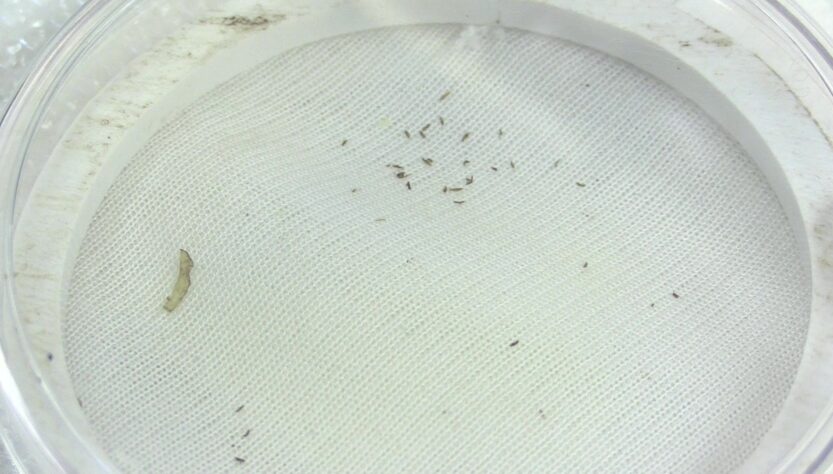
- Tiny insects called tobacco thrips needed about three hours to get five of their number through Plant Armor. They got through a standard commercial cover in about 12 minutes.
- The fabric was nearly 90% effective at keeping young caterpillars from crossing it over 12 hours.
- In a three-month outdoor trial, cabbages grown under Plant Armor weighed almost three times as much as uncovered plants.
Now, strawberries
The new study moved to strawberries, a high-value crop that bugs love. Researchers grew plants in tunnels from fall through spring for three growing seasons.
The results surprised even the team. Lead author Gabriel Olawuyi, a graduate researcher, said they expected the fabric to make the plants grow more leaves at the expense of fruit.
“However, we found the fabric did not impede access to light at all,” Olawuyi said in the NC State announcement.
Here is what the researchers found:
- Strawberry yields under the cover were up to 3.56 times higher.
- Lab tests showed the fabric completely kept out aphids.
- The cover did not hurt light levels or humidity around the plants.
- Plant size was the same with or without the cover.
The extra fruit seems to come from warmth. The fabric kept the plants consistently warmer, which helped them build up “growing degree-days,” the heat units plants need to reach the fruiting stage, NC State reported.
Born from military research
Plant Armor did not start out on a farm. The technology grew out of research on military uniforms meant to resist mosquito bites and make body armor more comfortable, according to NC State.
The university holds a patent on the fabric, granted in 2023, and has licensed it for commercial development. The team plans on-farm tests on more crops and in more regions. The research was funded by the North Carolina Agricultural Foundation and the U.S. Department of Agriculture.
What it means for growers
Plant Armor isn’t on store shelves yet, so you can’t buy it for your garden this fall. But the research points to some lessons any grower can use:
- Physical barriers work. A good cover can keep pests off plants without spraying.
- Warmth matters. A cover that holds a bit of heat can help plants reach fruiting sooner.
- Thicker is not always worse. A well-designed cover can block bugs and still let in light, air and rain.
For farmers, the payoff could be big. Fewer pests can mean fewer chemical sprays, lower costs and more berries to sell.
The bottom line
The best innovations often solve old problems in a new way. Plant Armor takes something as simple as a crop cover and turns it into a maze that bugs can’t easily solve, and the result is a lot more fruit. For gardeners and small farmers who want to grow more of their own food with fewer chemicals, this is one to watch. When it reaches the market, it could earn a spot in the shed next to your seed packets.
Sources
- NC State News: How a new textile fabric could triple production in strawberry plants
- ScienceDaily: New “plant armor” more than triples strawberry yields
- NC State News (2022): In ‘Plant Armor’ crop cover, insects have to navigate textile maze
- Good News Network: Mesh keeps crops insect-free but lets in sun and rain