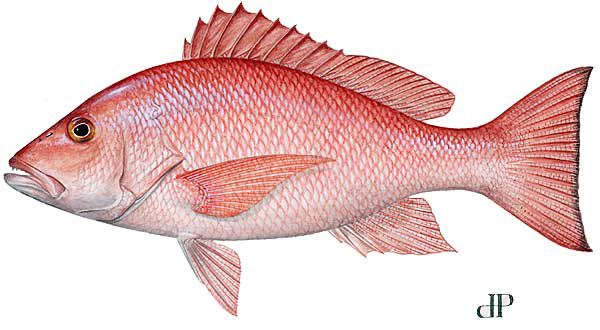
For years, Atlantic coast anglers have joked that red snapper season was over before they could gas up the boat. In recent years, regulators limited recreational fishermen to about two days a year in the South Atlantic, according to SeafoodSource.
edThis fall is different. Under a new state-run pilot program, anglers in Florida, Georgia and South Carolina can keep red snapper from October 9 through October 22, NOAA Fisheries announced.
How the longer season happened
The federal recreational season this year is three days, October 9 to 11, one day longer than last year. But NOAA also issued exempted fishing permits to Florida, Georgia and South Carolina that let each state run an extended season for eligible anglers through October 22.
The permits let the states test their own ways of counting fish and managing the harvest. “These pilot projects provide a great opportunity to strengthen our data and inform future management approaches,” said Eugenio Piñeiro Soler, head of NOAA Fisheries.
NOAA Administrator Neil Jacobs said the agency is “dedicated to working with our state partners, fishermen, and fishery managers.”
If the catch stays under the harvest limit, NOAA and the states may open a second season in December, according to NOAA and South Carolina reporting.
Why anglers pushed for it
Official figures showed the red snapper stock was subject to overfishing in 2021. But anglers, sportfishing groups, state officials and members of Congress argue the stock is more abundant than official estimates show, SeafoodSource reported.
Letting the states collect better data is a way to test that claim with hard numbers instead of guesses.
Not everyone is happy. A judge halted this summer’s state seasons after a lawsuit by the commercial Southeastern Fisheries Association. Now six commercial fishers and fishing businesses have sued in federal court in Washington to block the fall permits, arguing they shift fish from commercial to recreational boats without going through the usual rulemaking. Even one of the commercial plaintiffs, Jeff Oden, acknowledged: “If there are more fish available, that is good news for the whole fishery.”
The rules, state by state
Rules differ by state, so check with your state wildlife agency before you go. Here is what officials and reports have spelled out:
South Carolina: You need a valid South Carolina saltwater fishing license and a free red snapper experimental harvest permit from Go Outdoors SC. The limit is one red snapper per person per day, with a 20-inch minimum length and no boat limit, according to WPDE/WCIV.
Florida: Under the state permit NOAA approved in May, Florida’s limit is one red snapper per person, counted within the 10-fish snapper-grouper aggregate, with no minimum size. Florida uses its State Reef Fish Survey to track catch.
Georgia: The limit is one red snapper per person per day with no minimum size, under the state’s permit. Georgia’s fall plan called for anglers to register trips through the VESL app and report harvest and discards afterward, according to Salt Water Sportsman.
Charters: In all three states, captains and crew on for-hire boats may not keep a red snapper bag limit.
Where you land matters: Under NOAA’s state permits, you must hold the state licenses and federal permits required where you fish and land your catch. Each trip must begin and end at a landing site in the state where you are registered. A Georgia angler, for example, can’t register in Georgia and then bring a snapper back to a Florida dock under Georgia’s rules.
Watch the calendar: If the catch stays low enough, a December season is possible. NOAA and the states say they will decide after reviewing October’s numbers, so keep an eye on your state agency’s announcements.
Fish smart, keep the season
The states’ fall plans called for non-offset circle hooks and descending devices, according to Salt Water Sportsman. A descending device is a tool for lowering a released fish back down to deeper water. NOAA says cutting down on discards is one of its goals for rebuilding the stock.
The other key is reporting. These seasons are a test. The better the data anglers turn in, the stronger the case for longer seasons next year.
The bottom line
This fall’s season is a small win for local control. The people who live on these coasts and fish these waters now get a bigger say in how the fishery is managed.
So get your permit, bring a descending device, keep one good fish, and report your trip. If the states prove anglers can be trusted with more, two-day seasons may finally be a thing of the past.
Sources
- NOAA Fisheries release via U.S. Harbors: NOAA Announces 2026 Federal Recreational Red Snapper Season, Exempted Fishing Permits in South Atlantic
- NOAA Fisheries: Exempted fishing permits authorizing state management (May 2026)
- SeafoodSource: Commercial fishers sue Trump administration to block expanded recreational red snapper seasons (Oct. 7, 2026)
- WPDE/WCIV via ABC News 4: SC red snapper season opens Oct. 9 in federal waters (Oct. 8, 2026)
- Salt Water Sportsman: Atlantic Fall Snapper Seasons: What You Need to Know (Aug. 12, 2026)