A backyard flock is one of the simplest ways to put fresh eggs on the table. Winter is when that flock needs the most attention, and a few steps taken now will carry hens through to spring.
The University of Minnesota Extension, which advises poultry keepers in a state that knows real cold, has laid out a practical winter plan.
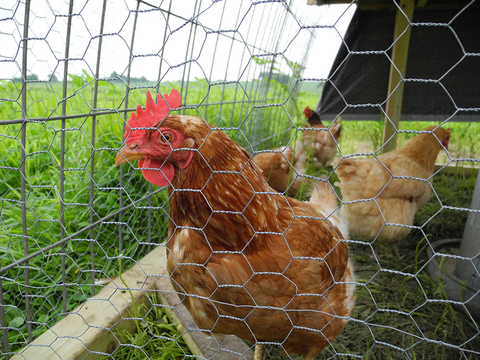
Know when your birds are cold
Most poultry hold their body temperature comfortably between 60 and 75 degrees, according to the extension. A chicken’s normal body temperature is about 106 degrees.
Huddling together, holding a foot up against the breast and puffing out feathers are all signs of cold stress, and prolonged cold stress can cut performance and kill birds.
Heavier breeds such as Plymouth Rocks, Wyandottes, Ameraucanas and Orpingtons handle winter well. Smaller breeds, and birds with large combs and wattles, may need extra care. If your flock is mixed, watch whether bigger or bossier hens are keeping smaller ones away from feed and water.
Get the coop ready
Roosts keep chickens off the cold floor and let them sit on their feet to warm them. The extension suggests roosts at least 12 inches off the floor with about 9 inches of space per bird, made of wooden 2-by-4 or 2-by-2 boards rather than metal or plastic, which hold the cold.
Seal holes and cracks that let in drafts and rodents. Ventilation still matters, because moisture and ammonia build up fast. A partly open south-facing window, roof vents or burlap over a window opening can move stale air out. If you smell ammonia or see moisture on windows, add ventilation and clean up manure.
Manure is about 70% water, so managing it is the key to a dry coop. Some keepers clean it out regularly. Others use the deep-litter method, starting with 4 to 6 inches of straw or shavings, stirring the soiled top layer down and adding fresh bedding, then doing a deep clean in spring.
When coop temperatures fall below 35 degrees, the extension recommends supplemental heat at nest-box or lower-roost height. Use heaters approved for livestock, follow fire warnings, never hang a heat lamp by its cord, and do not run extension cords to the coop long term.
Feed, water and eggs
Hens may eat up to 25% more in cold weather, so keep extra feed on hand in a metal can. Offer grit, since snow keeps birds from finding their own. A handful of scratch grains per 10 birds before roosting helps them stay warm overnight.
Without water, chickens stop eating. A heated fount, a heated base under a metal waterer, or a partly covered heated dog dish will keep water open. Keeping a spare waterer is wise.
Collect eggs early, since most hens finish laying before noon and eggs can freeze. Throw out any with cracked shells.
For steady laying, hens need about 14 hours of light. Add light with a lamp on a timer in the morning before sunrise. Light added after sunset can leave birds unable to find the roost when it switches off. Daylight starts growing after Dec. 20, so adjust the timer as days lengthen.
Frostbite usually hits combs, wattles and feet, and the main causes are moisture and cold. Petroleum jelly on combs and wattles can help prevent damage but does not treat it. Call a veterinarian if a bird is hurt.
A dry, draft-free coop, open water and a little extra feed will keep a small flock healthy and producing through the cold months.