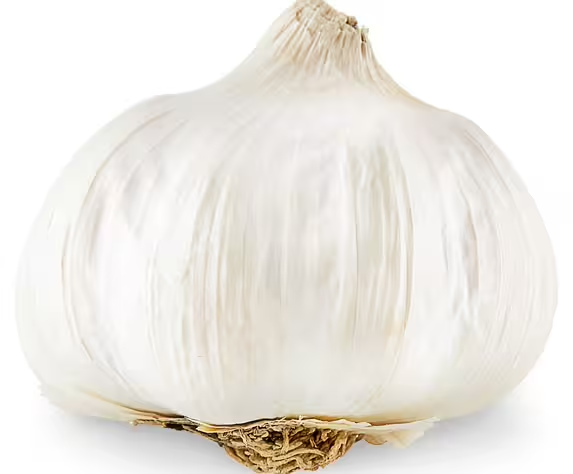
Most vegetable gardens are put to bed by mid-November, but there is still one crop you can plant this fall. Garlic goes in the ground now, sits quietly through the winter and rewards you with a full harvest next summer.
University of Illinois Extension horticulture educator Alexis Barnes wrote in late October that garlic is typically planted six to eight weeks before the ground freezes, and that the freeze is running a bit late this year in her state. University of Minnesota Extension advises planting one or two weeks after the first killing frost. Either way, many gardeners across the northern half of the country still have a window.
Garlic needs a cold period to form bulbs and divide into cloves properly, according to Illinois Extension. Planting in the fall also lets roots and shoots get started before the ground freezes.
Pick the right garlic
There are two main types. Hardneck garlic is cold-hardy, sends up a curly flower stalk called a scape in spring and has a shorter storage life and may be more fragrant. Common hardnecks include Rocambole, Purple Stripe and Porcelain types. Softneck garlic stores longer, is easy to braid and does better in warmer areas. It is the kind most often sold in grocery stores.
Both extension services say not to plant grocery store garlic. It is often a softneck variety from California’s mild climate, it may be treated for storage, and it may not do well through a northern winter. Buy seed garlic from a garden center or a reputable seed company instead.
How to plant it
Choose a spot with full sun and well-drained soil. Minnesota Extension says garlic does best with a soil pH between 6.0 and 7.0, and both services recommend working in compost or well-rotted manure. Do not use fresh manure, which can carry harmful bacteria and weed seeds.
Break the bulbs into individual cloves a day or two before planting, and plant the biggest ones, which Illinois Extension says will maximize your yield. Plant each clove pointed end up, with the base two to three inches below the surface. Illinois Extension recommends six inches between cloves and 15 to 18 inches between rows.
Water the bed well after planting. Then cover it with three to four inches of weed-free straw or shredded leaves. The mulch keeps the soil from freezing and thawing over and over, holds in moisture and keeps weeds down in spring.
What happens next
Roots will grow this fall, but you usually will not see green shoots until spring. Once the danger of hard freezes has passed, you can pull back the mulch to help the soil warm, or leave it to keep the weeds down. During the growing season, soak the soil to a depth of at least an inch each week. If you grow hardneck garlic, snip the scapes once they start to curl. They are good to eat.
Depending on your variety and location, harvest comes between late June and late July. Minnesota Extension says to dig when the lower leaves turn brown and about half of the upper leaves are still green. Cure the bulbs in a warm, dry, airy place for three to four weeks.
Minnesota Extension notes that you can save cloves from one crop to plant the next, so set aside your biggest bulbs and you will have your own seed garlic for next fall.