A winter power outage is mostly an inconvenience. The danger comes from what people do to stay warm and keep the lights on, and the biggest risk is carbon monoxide.
The U.S. Consumer Product Safety Commission estimates that portable generators were linked to 765 carbon monoxide deaths from 2009 through 2019, about 40% of the total it tracks. More than half of all consumer-product carbon monoxide deaths happen in November, December, January and February. Carbon monoxide has no color or smell, and the CPSC warns it “can kill in minutes,” sometimes before people notice the nausea, dizziness or weakness that comes first.
Here is what the federal guidance says to do before the next storm.
Put the generator in the right place
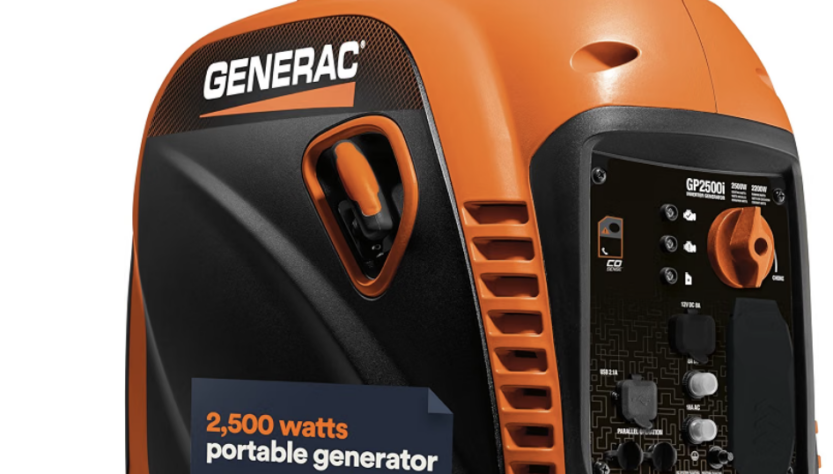
The rule from both the CPSC and Ready.gov, the federal preparedness site, is simple. Run a portable generator outside only, at least 20 feet from the house, with the exhaust pointed away from any building.
Never run one inside the home, garage, basement, crawlspace or shed. The CPSC says opening doors or windows will not let out enough carbon monoxide to make that safe. Camp stoves and charcoal grills belong outdoors too, well away from windows.
Ready.gov also says to keep the generator dry and out of rain or floodwater, because touching a wet generator or anything plugged into it can cause a shock. Plug appliances in with heavy-duty extension cords, and let the engine cool before you refuel it. Fuel spilled on hot engine parts can catch fire.
If you are shopping for a generator, the CPSC recommends models with an automatic carbon monoxide shut-off. Look for certification to PGMA G300-2018 or UL 2201. The agency estimates those standards would cut generator carbon monoxide deaths by 87% and 100%, respectively.
Never heat the house with the stove
When the furnace quits, it is tempting to turn on the gas oven and open the door. Ready.gov says not to do it. Using a gas stovetop or oven for heat raises the risk of carbon monoxide poisoning and can also cause fires and burns.
Fuel-burning heaters need attention too. The CPSC recommends a professional inspection every year for furnaces, boilers, fireplaces, wood stoves, water heaters, chimneys and vents. After a snowstorm, clear snow away from the outside vents of a furnace or other fuel-burning appliance so the gas does not build up inside.
Alarms that work without power
Carbon monoxide alarms are the backstop. The CPSC says to install them on every level of the home and outside sleeping areas. Plug-in alarms should have battery backup so they still work when the power is out. Test them every month, and change the batteries at least once a year, or buy alarms with sealed 10-year batteries.
Plan for the rest of the outage
Ready.gov suggests making a list of everything in your home that runs on electricity, including medical devices and refrigerated medicines, and having a plan for each. Keep flashlights for every person, plus power banks for phones.
Keep the refrigerator and freezer closed. A refrigerator keeps food cold for about four hours, and a full freezer holds its temperature for about 48 hours. Throw out food that has been at 40 degrees or warmer for two hours or more.
Know the signs of hypothermia, including shivering, confusion, slurred speech and drowsiness. Ready.gov says a body temperature below 95 degrees is an emergency.
The best time to buy alarms and set up a safe spot for the generator is before the first winter storm warning is issued.