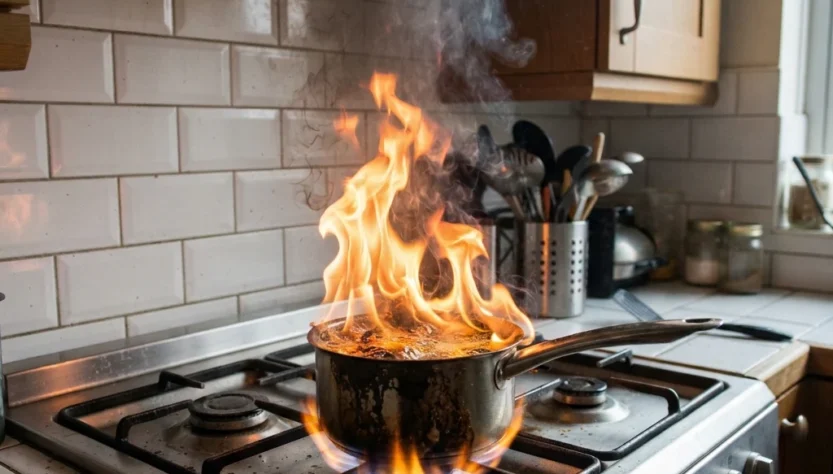
Thanksgiving is the leading day of the year for home cooking fires in the United States, according to the National Fire Protection Association. NFPA estimates that 1,446 home cooking fires were reported to fire departments on Thanksgiving Day in 2023, which is 388 percent above the daily average. Christmas Day and Christmas Eve came second and third. Since millions of households will be cooking for a crowd tomorrow, here is what NFPA says to do before and during a kitchen fire.
Why the day is so risky
NFPA’s numbers for 2019 through 2023 show that cooking caused 80 percent of home fires on Thanksgiving Day and 40 percent of civilian injuries in those fires. NFPA’s Lorraine Carli says the cause is a hectic holiday with several dishes cooking at once, plus guests and distractions, which makes it easy to lose sight of what is on the stove.
Unattended cooking is the leading factor in home cooking fires and fire deaths. NFPA’s longer-term data say unattended equipment is a factor in one quarter of cooking fires and half of the deaths from them.
Over 1,000 cooking fires will break out across America this Thanksgiving. 🧯 If one starts, NEVER use water. • Stove: Turn off the heat, slide a lid over the pan, step back. • Oven/grill/microwave: Turn it off, keep the door shut. If the fire spreads, get out and call 911! https://t.co/39M5DOby0y
— Overland Park Fire Department (@OverlandParkFD) November 25, 2026
Set up the kitchen before you start
NFPA recommends a few simple habits. Stay in the kitchen while you fry, sauté or boil on the stovetop, and when you roast a turkey, stay home and check it regularly. Use a timer for anything with a long cook time. Keep oven mitts, wooden utensils, food wrappers and towels at least three feet from the cooking area, and keep children and pets at least three feet from the stove and from hot food being carried.
Avoid long, loose sleeves near a burner. Clothing is the first item ignited in less than 1 percent of home cooking fires, but NFPA says it accounts for 4 percent of the deaths.
Put a lid beside the pan before you start cooking. You will want it within reach if oil starts to smoke. NFPA says wisps of smoke or an odor from the oil mean it is too hot, and you should turn off the burner right away.
If a pan catches fire
Do not put water on a grease fire. NFPA’s instruction is to slide the lid over the pan and turn off the burner. Leave the lid on, because lifting it can let the fire restart, and let the pan cool for a long time.
For an oven fire, turn off the heat and keep the door closed. Open it only once you are confident the fire is completely out, and stand to the side when you do. If you have doubts, call the fire department.
If the fire does not go out, or you do not feel comfortable sliding a lid over the pan, get everyone out of the house. Close the door behind you and call 911 from outside. NFPA says that if you do try to fight a fire, others should already be leaving and you need a clear way out for yourself.
About the turkey fryer
NFPA strongly discourages turkey fryers that use cooking oil, because they can cause devastating burns. Its alternatives are to buy a fried turkey from a grocery store or restaurant, or to buy a fryer that does not use oil.
A quick plan for the big day
Before the first guest arrives, I would show whoever is helping in the kitchen where the lid is and what the plan is if a pan flares up. The advice is short. Put the lid on, turn the burner off, keep water away from it, and leave the house if the fire grows. A few minutes of preparation costs nothing, and it keeps the day about the family and the meal.