Oh, come on, if there’s one thing that exposes the left’s hypocritical hustle more than their “democracy” chants while rigging the game, it’s the redistricting wars in Minnesota – that frozen tundra where Dems schemed to carve up districts like a Thanksgiving turkey, only to get iced out by a judicial panel that slapped down their power grabs. We’re talking the 2022 redraw after the 2020 census, when the DFL-controlled House and GOP Senate deadlocked, forcing a special court to step in and draw lines that kept things competitive instead of letting the left pack voters like sardines for eternal blue dominance. Fast-forward to 2025, and those maps are holding strong for the 2026 midterms, with no new shenanigans afoot – but don’t think the progressives aren’t plotting for 2032, because America First means eternal vigilance against these map-manipulating maniacs who cry “fairness” while stacking the deck.
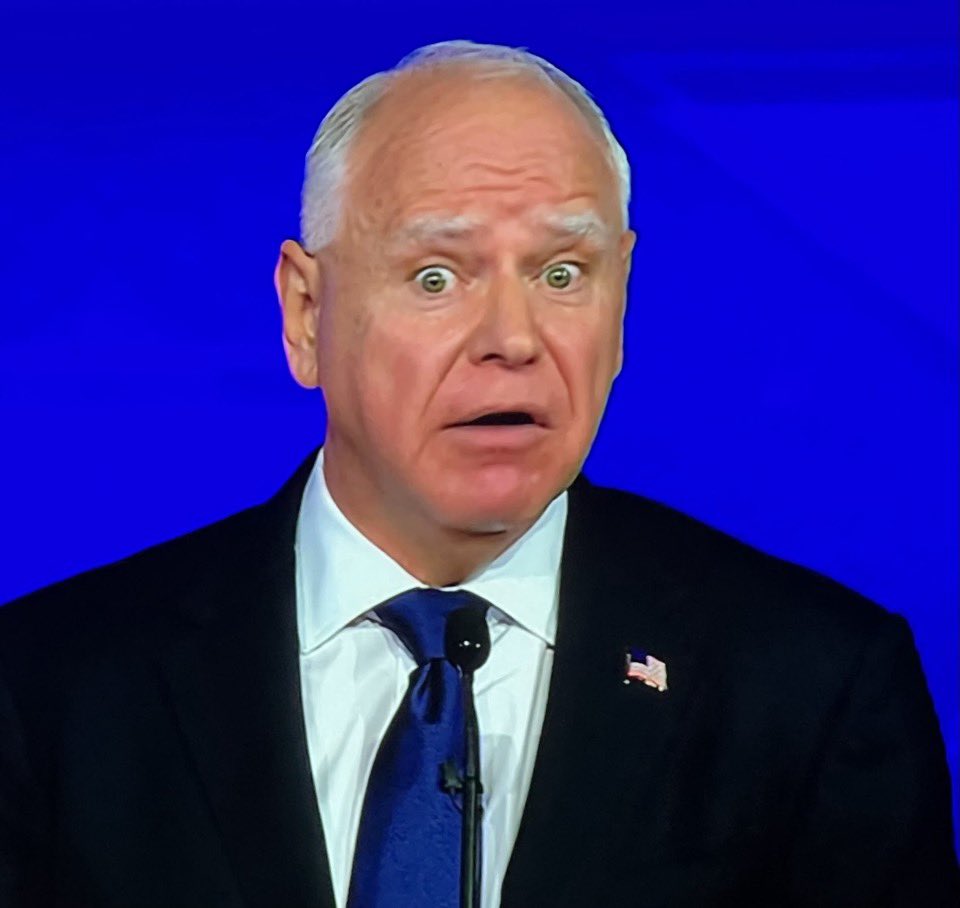
Let’s dive deep into this mess, because the North Star State’s redistricting saga is a masterclass in how the system can thwart leftist overreach when it works right. Minnesota’s got eight congressional seats, unchanged after gaining just enough folks (5,706,804 in 2020) to hold steady – no ninth district like they hoped. The process kicks off every decade: The legislature draws the lines, but with a divided government (DFL House, GOP Senate, DFL Gov. Tim Walz), they couldn’t agree by the February 15, 2022, deadline. Enter the judiciary: A five-judge special panel, appointed by the state Supreme Court on August 12, 2021, took over, holding hearings from October 2021 to January 2022, reviewing public input from over 1,900 submissions and maps from all sides.
The panel’s February 15, 2022, order? A balanced blueprint that preserved competitive edges without wild gerrymandering – District 2 stayed a tossup in the southeast suburbs, where Angie Craig squeaked by with 50.9% in 2022; District 1 in the south kept its rural red tint for Brad Finstad’s 53.8% win; and District 3 in the west Twin Cities burbs flipped blue in 2024 after Dean Phillips bailed. The maps respected communities of interest, like keeping Native American areas in District 8 intact for Pete Stauber’s northern stronghold, where he romped with 57.2% in 2022. No crazy salamander shapes – just compact districts averaging 713,351 people each, with deviations under 1% to meet one-person-one-vote standards.
But the left’s fingerprints were all over the attempts to tilt it their way: DFL proposals aimed to crack red strongholds, packing conservatives into fewer seats while spreading blue voters for gains in the suburbs – think diluting GOP votes in District 6, where Tom Emmer held with 61.8% in 2022. Republicans pushed back with plans preserving the 5-3 GOP edge from pre-2020, but the panel split the baby, creating maps that led to a 4-4 split after 2022 elections and held in 2024. It’s no coincidence the left cried foul – Walz vetoed GOP maps in 2021 sessions, forcing court intervention, and post-adoption, DFL lawsuits in March 2022 claimed the lines shortchanged minorities, but courts dismissed them by May 2022, affirming the panel’s neutral hand.
Impact? These maps leveled the playing field in a state that’s trended purple – Biden won 52.4% in 2020, but Trump flipped it back with 51% in 2024. District 7’s western farms stayed red for Michelle Fischbach’s 67.4% romp in 2022, while urban District 5 in Minneapolis locked blue for Ilhan Omar’s 74.3%. The real win? Preventing the left from engineering eternal majorities – no more Chicago-style packing where Dems hold power despite voter shifts. Polls back the fairness: A July 2025 survey showed 56% of Minnesotans approve the current maps, with 62% of independents saying they reflect the state’s balance better than partisan-drawn ones.
Recent twists? As of September 10, 2025, no challenges loom for 2026 – the maps are set until after 2030 census – but DFL whispers in August 2025 sessions hint at pushing for independent commissions in 2027 to “reform” what they call “court-imposed” lines. It’s code for rigging – they hate how the panel thwarted their gerrymander dreams, keeping seats like District 2 competitive where Craig barely held with 50.7% in 2024. Trump’s America First surge helped – his coattails flipped the state delegation to 5-3 GOP in hypothetical 2026 matchups, per internal vibes.
This redistricting rodeo proves one thing: When the left can’t cheat the maps, they lose. Minnesota’s fair lines are a blueprint for the nation – compact, community-focused, and resistant to the swamp’s manipulations. But stay vigilant; the DFL’s plotting their next move. America First means maps that reflect the people, not the power-hungry. Wake up, or watch them redraw your voice out of existence.