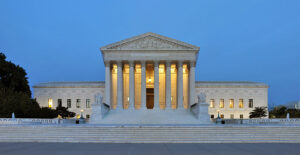
Listen up, patriots, because the Supreme Court just heard arguments yesterday, October 15, 2025, in a case that could finally blow up the Democrats’ favorite electoral scam—race-based congressional districting. In Louisiana v. Callais, the conservative justices sounded ready to gut key parts of the Voting Rights Act that force states to carve up maps like a Thanksgiving turkey just to create majority-minority districts. This isn’t about equality; it’s about the left rigging the game to pack voters by skin color, diluting real representation and turning elections into a racial spoils system. If the Court pulls the trigger—and all signs point to yes—it could hand Republicans up to 19 more House seats by letting states redraw lines without the woke handcuffs. But to understand why this is a massive win for America First, you’ve got to know how this nonsense started. Buckle up; it’s a tale of good intentions gone rogue, twisted by radicals into a tool for perpetual power grabs.
The Jim Crow Hangover: Dilution Tactics and the Push for Fair Votes
Back in the bad old days before 1965, Southern Democrats—yeah, the party of segregation—had a bag of tricks to keep black voters sidelined. Poll taxes, literacy tests, and outright intimidation were the big ones, but they also loved diluting minority votes through at-large elections and gerrymandered districts that scattered black communities like confetti. The 15th Amendment from 1870 was supposed to guarantee the vote regardless of race, but states thumbed their noses at it for nearly a century. Enter the civil rights movement, which forced Congress to act. The result? The Voting Rights Act of 1965, signed by Lyndon Johnson on August 6, a landmark that banned discriminatory practices and put the feds in charge of overseeing changes in problem states via Section 5 preclearance.
At first, it was about stopping outright barriers, but Section 2 laid the groundwork for what would become the race-based districting monster. It prohibited any voting standard that resulted in denial or abridgment of the right to vote on account of race or color. No intent needed—just discriminatory effect. For years, this simmered, but it set the stage for courts to demand districts where minorities could elect their preferred candidates, often meaning packing them into bizarre shapes to hit that magic 50 percent voting-age population threshold.
The 1980s Twist: From Intent to Effect, Opening the Gerrymander Floodgates
Fast-forward to 1980, when the Supreme Court in Mobile v. Bolden ruled that plaintiffs had to prove discriminatory intent under Section 2, not just effect. That cramped the style of activists, so Congress stepped in with amendments on June 29, 1982, flipping the script. Now, it was all about the “totality of circumstances”—if minorities had less opportunity to participate and elect reps, it was illegal. No more proving malice; results were enough.
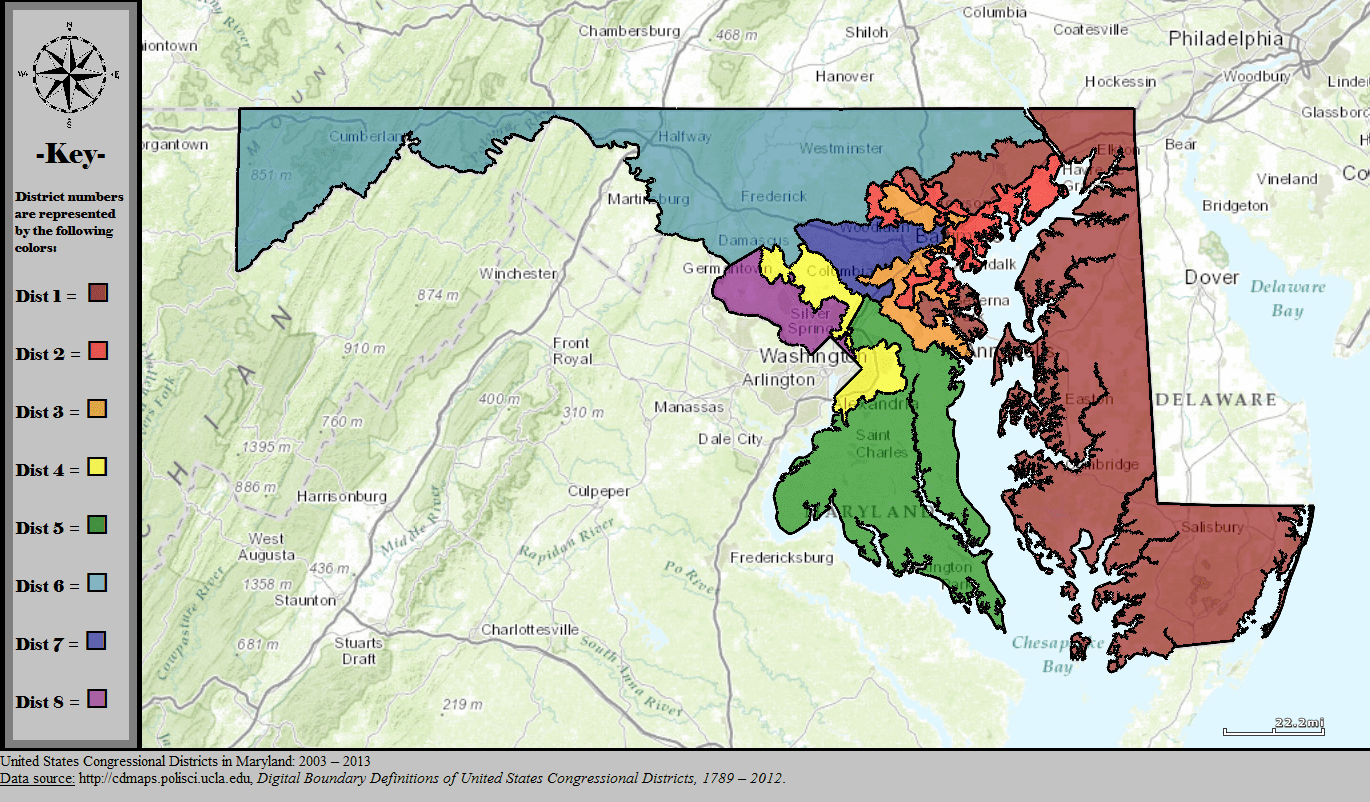
Then came the big one: Thornburg v. Gingles on June 30, 1986. The Court laid out three preconditions for a Section 2 violation—minorities must be sufficiently large and compact to form a majority district, politically cohesive, and white voters usually block their choices. If met, states had to draw those majority-minority districts or face lawsuits. This turbocharged the creation of safe seats for black and Hispanic candidates, but it also meant lines snaking through neighborhoods like a drunk driver’s path, all in the name of “representation.” By the 1990s, the Justice Department under George H.W. Bush was pushing states to maximize these districts after the 1990 census, leading to a explosion of convoluted maps.

The 1990s Backlash: Supreme Court Says Whoa to Racial Shenanigans
The left’s districting fever dream hit a wall in the mid-90s when the Supreme Court started calling out the obvious—using race as the predominant factor in drawing lines smacked of reverse discrimination. On June 28, 1993, in Shaw v. Reno, the justices struck down North Carolina’s 12th District, a skinny monstrosity stretching 160 miles that looked like a Rorschach test gone wrong. The Court said if race was the main driver without a compelling reason, it violated the Equal Protection Clause of the 14th Amendment. Strict scrutiny applied, meaning the state had to prove it was narrowly tailored to a vital interest.
The hits kept coming. Miller v. Johnson on June 29, 1995, nuked Georgia’s 11th District for the same reason. Bush v. Vera on June 13, 1996, did the same to three Texas districts. These rulings forced a balancing act: Race could be a factor—say, to comply with the Voting Rights Act—but not the boss. States started hiding behind partisanship or other excuses, but the message was clear: No more blatant racial sorting without a damn good reason.
The Rollercoaster Continues: Preclearance Gutted, But Section 2 Lives On
The 2000s and 2010s saw more tweaks. On April 4, 2001, in Easley v. Cromartie, the Court okayed a North Carolina district because politics, not race, was the real motivator—even if it correlated with race. Then, Shelby County v. Holder on June 25, 2013, gutted Section 5’s preclearance formula, freeing covered states from federal babysitters. Leftists howled, but it shifted the fight to Section 2 lawsuits.
Recent years ramped up the drama. In Allen v. Milligan on June 8, 2023, the Court upheld Section 2’s bite, forcing Alabama to create a second majority-black district. But then, Alexander v. South Carolina NAACP on May 23, 2024, made it tougher to prove racial gerrymandering by presuming lawmakers act in good faith for partisan reasons, not race. Now, with Louisiana v. Callais, argued just yesterday, the conservatives—Thomas, Alito, Gorsuch, Kavanaugh, Barrett, and Roberts—signaled they’re open to raising the bar on Section 2 claims, maybe limiting them to government enforcement only or demanding clearer proof of discrimination. This could neuter the requirement for race-based districts, letting states draw fairer, more compact lines without the racial quotas.
America First Victory: Ending the Racial Rigging for Good
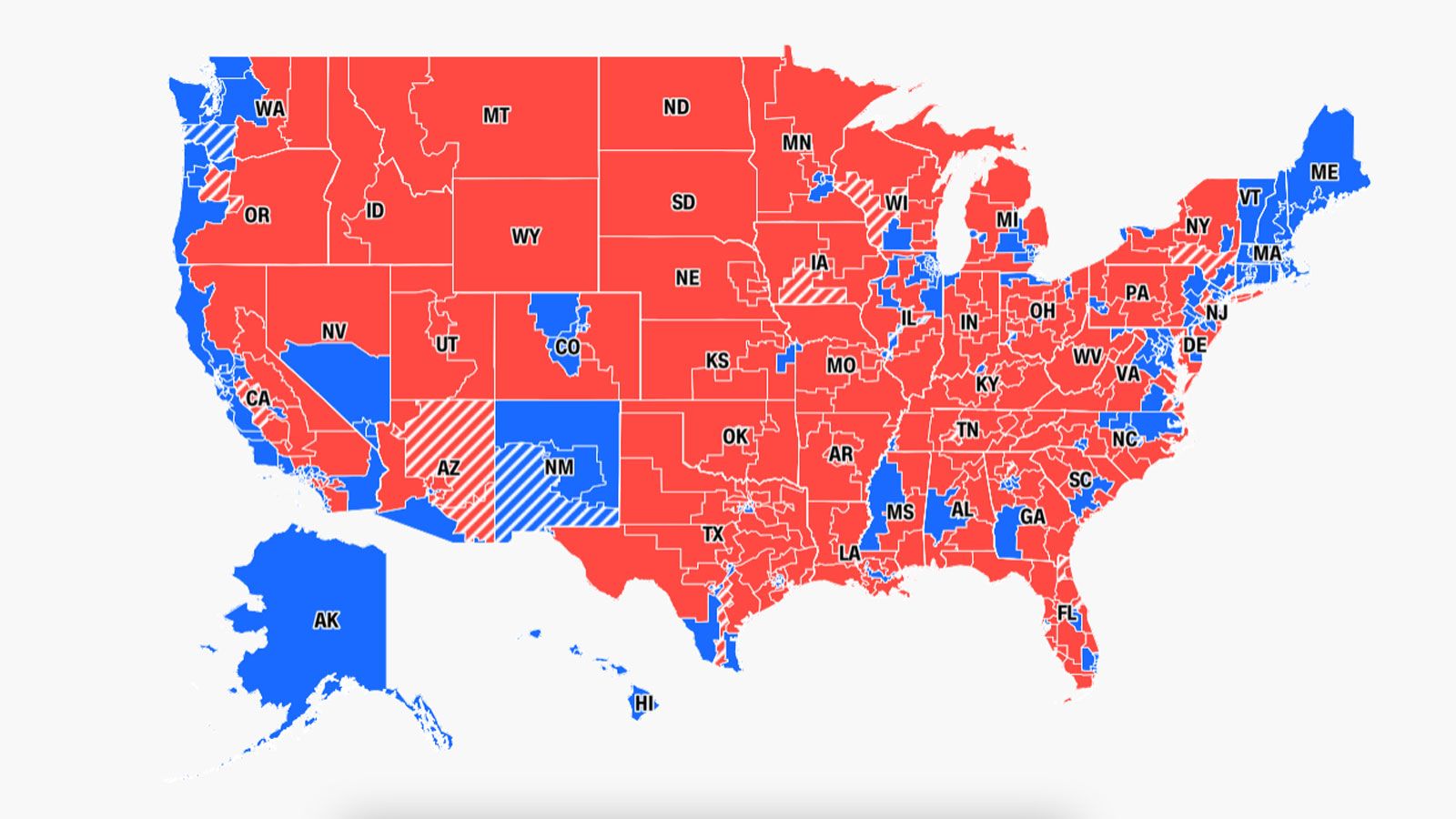
This whole saga started as a noble fight against Jim Crow but morphed into a leftist power play, Balkanizing America by race and handing safe seats to radicals while screwing over everyone else. If the Supreme Court overturns or cripples race-based districting in this term, it’s a body blow to the Democrats’ machine, potentially flipping the House even redder. No more pretending skin color trumps community or common sense. Real equality means colorblind maps, secure elections, and putting Americans—not identity politics—first. The left built this house of cards; now watch it tumble.