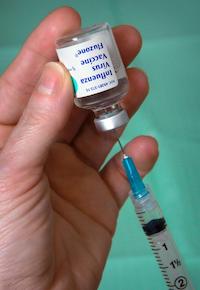
U.S. Health Secretary Robert F. Kennedy Jr. spoke virtually at the Minamata Convention’s sixth Conference of the Parties in Geneva on Monday, urging nations to eliminate thimerosal, a mercury-based preservative, from vaccines worldwide following the U.S. ban on its use in all flu shots this July.
He criticized the treaty’s exemption for thimerosal in vaccines despite its classification as a neurotoxin and noted the availability of safe alternatives like single-dose vials. The call received support from vaccine skeptics but faced pushback from scientists who cite studies affirming thimerosal’s safety at low doses and warn of potential disruptions to immunization programs in developing countries.
RFK Jr.’s push to remove thimerosal (mercury preservative) from flu shots completes the phase-out started in the early 2000s for other vaccines.
Here’s a breakdown:
- Early 2000s Phase-Out: In 2001, thimerosal was removed from most childhood vaccines in the United States as a precautionary measure, following concerns about mercury exposure, even though extensive research had not found a link between thimerosal and adverse health effects like autism. This left flu vaccines as one of the few remaining sources of thimerosal in the U.S. vaccine schedule, primarily in multi-dose vials.
- Recent Action on Flu Shots: In July 2025, the U.S. decided to eliminate thimerosal from all flu shots, a move that Kennedy highlighted in his address to the Minamata Convention. This decision effectively completes the removal of thimerosal from the entire U.S. vaccine supply, as flu shots were the last significant source containing the preservative.
- Context of the Push: Kennedy’s advocacy has been part of a broader narrative questioning vaccine safety, but the scientific consensus remains that thimerosal, at the levels used, is safe. Challenges to the consensus are coming thick and fast especially in vaccines for children who receive many doses at once. Aluminum is now being looked at
Now that America has removed mercury from all vaccines, I call on every global health authority to do the same — to ensure that no child, anywhere in the world, is ever exposed to this deadly neurotoxin again. pic.twitter.com/LYitY3PfRc
— Secretary Kennedy (@SecKennedy) November 3, 2025
The Minamata Convention on Mercury: A Global Effort with a Controversial Exemption
The Minamata Convention on Mercury, adopted in 2013, is an international treaty aimed at reducing mercury pollution worldwide. Named after the Japanese city of Minamata, which experienced severe mercury poisoning, the convention seeks to protect human health and the environment by phasing out mercury in various products, including batteries, switches, and cosmetics.
🚨 RFK JR: “The same treaty that began to phase out mercury in lamps and cosmetics, chose to leave it in products injected into babies, pregnant women and the most vulnerable among us. We have to ask why?”pic.twitter.com/EzimrmexT0
— Chief Nerd (@TheChiefNerd) November 3, 2025
However, it controversially exempts thimerosal-containing vaccines from these regulations. Thimerosal, a mercury-based preservative, remains allowed in vaccines despite being classified as a neurotoxin in other contexts. This exemption has drawn criticism from U.S. Health Secretary Robert F. Kennedy Jr., who argues it creates a double standard, especially since mercury is banned in other products injected into vulnerable populations like babies and pregnant women.
Currently, the convention’s sixth Conference of the Parties is underway, where global delegates are discussing further measures to curb mercury use. Kennedy’s virtual address at this conference highlighted the ongoing tension between global mercury reduction efforts and the persistent use of thimerosal in vaccines, urging a reevaluation of this exemption.