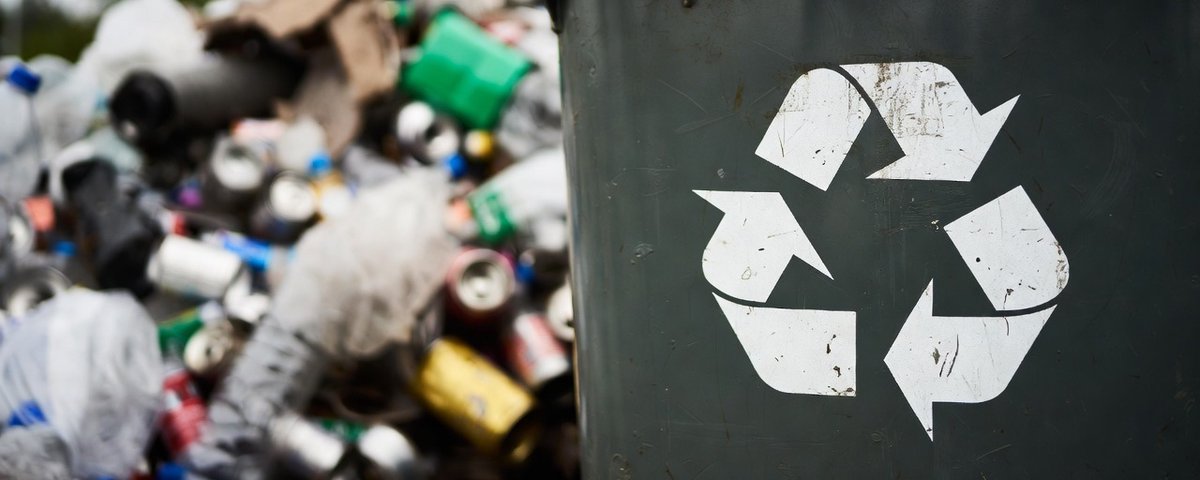
This article in the X post below is absolutely spot on.
Here’s a summary, but make sure to click through and read it.
- Only about 5-6% of plastic waste in the US is actually recycled, with the rest ending up in landfills, incinerated, or polluting the environment.
- Globally, less than 10% of all plastic ever produced has been recycled, despite decades of promotion by the industry.
- Plastic producers have known since the 1970s that recycling most plastics is not economically or technically viable on a large scale.
- The industry promoted recycling to shift blame to consumers and continue producing more virgin plastic from fossil fuels.
- Different types of plastics (numbered 1-7) vary in recyclability; while 1 and 2 are somewhat recyclable (around 30%), types 3-7 are much harder, and 6-7 are nearly impossible.
- US plastic recycling rates have declined over time, from a peak of about 9% in 2014 (which included exports often burned or dumped) to the current low.
- Advanced or chemical recycling methods are also ineffective, often resulting in more pollution and converting little plastic back into new products.
- The low cost of producing new plastic from oil makes recycling uncompetitive, perpetuating the cycle of waste.
— Thomas Peters (@Thomaspeters) February 1, 2026
SYNOPSIS:
In the push for environmental virtue, few symbols are as ubiquitous as the recycling bin. People worldwide have been conditioned for decades to sort plastics, papers, and cans, believing they are saving the planet. But a growing body of evidence reveals a harsher truth: much of modern recycling, particularly for plastics, is more myth than reality. It serves as a feel good narrative perpetuated by industry and governments that masks inefficiency, fraud, and massive waste of resources.
The story begins in the 1970s and 1980s, when the plastics industry faced mounting pressure over pollution and proposed bans on singleuse items. Big Oil and chemical companies launched aggressive campaigns promoting recycling as the solution. They shifted blame to consumers with slogans like “reduce, reuse, recycle.” Internal documents later revealed they knew recycling at scale was unfeasible, yet they pushed the myth to avoid regulation and keep production booming.
Fast forward to today: global plastic production exceeds 460 million metric tons annually, with recent figures showing around 430 to 460 million tons per year and continuing to rise. Yet recycling rates remain abysmal. Globally, the effective plastic recycling rate is stagnant at around 9%, with some sources citing less than 10% and little improvement over decades. Most “recycled” plastic ends up in landfills, incinerators, or the environment. Contamination from food residue, mixed materials, and nonrecyclable types renders much of it unusable. Even “recyclable” items like bottles often get downcycled into lowerquality products or discarded. This inefficiency is compounded by the fact that producing new plastic from fossil fuels is often cheaper than recycling, perpetuating a cycle of waste.
My company, Undersea Energy, is working an efficient solution to incinerate all garbage and capture the garbage. From therein fits our already operating solution which specializes in production and distribution of renewable diesel converted from algae grown in giant spheres submerged under the ocean. We sell the fuel to trucking companies.
