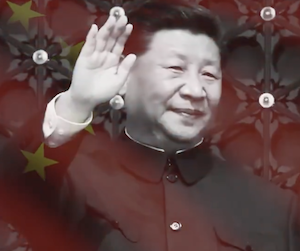
While the mullahs in Tehran are busy dodging drones and dreaming of virgins, the real sucker punch in this whole Middle East brawl is landing square on Xi Jinping’s smug mug. Yeah, you heard that right—after Iran gets turned into a parking lot, the biggest loser isn’t some ragtag proxy militia or a bunch of Euro-weenies wringing their hands. It’s China. The dragon that’s been puffing itself up as the next big bad is about to get its tail clipped, and this conflict is the clippers. We’re talking economic gut shots, energy blackouts, and a geopolitical backfire that could light up the whole communist house of cards. And the best part? It’s all thanks to America putting its foot down and saying “enough” to the ayatollahs’ nonsense. Let’s break it down, because this ain’t just a skirmish—it’s a chain reaction that’s got Beijing sweating bullets.
The Oil Lifeline Gets Severed
China’s been slurping up Iranian crude like it’s free bubble tea. In 2025, over 80 percent of Iran’s oil exports headed straight to Chinese ports, making up about 13.5 percent of all the black gold China hauls in by sea. That’s not pocket change—that’s the fuel keeping their factories humming and their military trucks rolling. But now, with U.S. and Israeli strikes hammering Iran’s facilities starting February 28, 2026, that spigot’s getting twisted shut. Oil prices have already spiked 13 percent, blasting past $83 a barrel as of March 2, 2026. If Iran’s exports grind to a halt—and they’re already teetering—that could jack prices up another 20 percent, easy.
Think about it: China’s got this massive economy that’s already wobbling like a drunk on ice skates. They’re dependent on Middle East oil for over half their imports, and Iran’s been their discount dealer, selling cheap to dodge sanctions. Lose that, and Beijing’s scrambling to replace 15 percent of their crude on the fly. Sure, they’ve got stockpiles, but those only last weeks, maybe months. Prolonged chaos means higher shipping costs, insurance premiums through the roof, and inflation creeping back into an economy that’s been flirting with deflation. Small refiners in China that specialize in this sanctioned slop? They’re toast. This isn’t just a bump in the road—it’s a full-on detour into economic quicksand.
“Over the years, Beijing and Tehran have developed an oil trade system that bypasses Western banks and shipping services.”
“As a result, Iran, Russia, and China have created an alternative market of sanctioned oil, wherein payments are denominated in Chinese currency.” https://t.co/iSWO1iJcK8
— Deeda Weeda aka DMAN 🇵🇸 (@DeemTheDreem) March 2, 2026
Strait of Hormuz: The Chokepoint from Hell
Now, zoom out to the big picture. The Strait of Hormuz—that skinny waterway on Iran’s southern flank—is the jugular vein for global oil, carrying one-fifth of the world’s supply, most of it bound for Asia. China? They’re at the end of that pipeline, sucking down Gulf crude like it’s the last soda on Earth. If Iran decides to play dirty—and they’ve got every reason to, with their supreme leader Ali Khamenei turned into Swiss cheese on March 1, 2026—the strait could turn into a shooting gallery. Tankers dodging drones, fast boats harassing ships, maybe even a full blockade if Tehran gets desperate.
History’s a guide here: Back in 2025, when tensions flared, everyone held back from torching oil routes, and prices stayed chill. But this time? Air traffic’s already grounded, shipping’s slowing to a crawl. A real shutdown would slash effective oil supply by 2.5 million barrels a day for weeks. For China, that’s not abstract—it’s factories idling, power grids straining, and consumer prices jumping like frogs on a hot plate. Their whole “Belt and Road” fantasy relies on smooth sailing through these waters. Disrupt that, and you’ve got ripple effects hitting trade routes all the way to Europe and back. Beijing’s been talking tough, urging Gulf states to “unite against external interference” on March 2, 2026, but that’s just hot air. They know a prolonged squeeze here could tank their growth, already sputtering below 5 percent targets.
Investments Down the Drain
China didn’t just buy Iran’s oil—they bought into the whole regime. That 25-year cooperation deal inked in 2021? Beijing pledged $400 billion in investments for energy, infrastructure, you name it. By 2026, they’ve sunk over $100 billion into projects that are now sitting ducks for airstrikes or sanctions. Pipelines, ports, refineries—all potentially rubble or frozen by global pressure. And with the UN snapping back sanctions after the 2025 strikes, Iran’s economy is circling the drain, projected to shrink in 2026 with inflation blasting toward 60 percent.
The irony? A weaker Iran means they’re even more hooked on Chinese cash and tech, but Beijing’s not getting the bang for their buck. Those investments were supposed to lock in influence, not turn into money pits. Now, with the conflict widening—strikes hitting Lebanon, retaliatory fire on U.S. bases in the Gulf—China’s regional bets are blowing up. Their “long game” of playing both sides? It’s short-circuiting. They condemn the strikes, call for ceasefires, but offer zilch in real support. No troops, no weapons shipments beyond whispers of anti-ship missiles. Why? Because picking a fight with America over this would be suicide for their export machine.
Geopolitical Boomerang
Here’s where it gets fun: This mess isn’t just costing China money—it’s shredding their grand strategy. They’ve been cozying up to Iran to counter U.S. clout in the Middle East, using Tehran as a proxy to poke the West. But a full-on war destabilizes the whole region for generations. Nuclear race? You bet—rivals like Japan, South Korea, and Australia might go atomic to hedge against Beijing’s bullying. That’s China’s nightmare: A ring of nuclear-armed neighbors staring them down.
Worse, the chaos boosts America’s hand. With Trump back in the saddle, enforcing sanctions on those “shadow fleets” hauling Iranian oil, China’s evasion games get harder. Their economy, already unbalanced with a $1 trillion trade surplus built on cheap energy, takes a hit. Global markets tank—U.S. futures down, Asian stocks in the red—and China’s the domino that falls hardest. They’re urging ceasefires left and right, but it’s too late. This conflict exposes their bluff: All that bluster about being a “stabilizing intermediary,” and they’re powerless to stop the freight train.
Simple. Liberating Venezuela and Iran adversely affects China’s inflow of oil, thus destroying China as an enemy. https://t.co/SZhSge6lZ9
— Tom Ward , The Status Quo Foe (@TomWard66308948) March 2, 2026
The Internal Powder Keg
Drill deeper, and you see how this could ignite China’s home fires. Their economy’s a mess—property bubbles bursting, youth unemployment sky-high, demographics tanking with a shrinking workforce. Add surging energy costs, and you’ve got inflation eroding wages, factories shutting down, and unrest bubbling. Remember, Xi’s grip relies on growth and stability. A prolonged oil shock could shave points off GDP, pushing them into stagnation or worse.
Polls show Americans are split on the intervention— a February 20-23, 2026, Economist/YouGov survey found few support military action, but a majority think it’s likely. But for China, this is existential. Disruptions force them to tap strategic reserves, reroute supplies, maybe even ration. That breeds discontent in a population already grumbling about zero-COVID scars and economic woes. If the conflict drags on— and with retaliatory strikes expanding as of March 2, 2026—Beijing’s forced to choose: Double down on Iran and risk U.S. wrath, or cut losses and look weak. Either way, it erodes the Communist Party’s aura of invincibility.
Future on the Ropes
Put it all together, and China’s very existence as a rising superpower is wobbling. This isn’t hyperbole—it’s physics. A nation built on cheap energy and global trade can’t afford a Middle East meltdown. If the strait closes for real, or Iranian oil vanishes for months, you’re looking at a cascade: Higher costs cripple manufacturing, exports slump, foreign investors flee. Their military ambitions? Starved of fuel. Belt and Road? A joke. And with nuclear proliferation on the horizon, their neighborhood gets hostile fast.
America First means we win when tyrants lose, and right now, China’s the ultimate collateral damage. They’ve bet big on propping up rogue regimes, and it’s backfiring spectacularly. The dragon’s roaring, but it’s got a thorn in its paw the size of the Persian Gulf. If this conflict keeps burning, Beijing’s dreams of world domination might just go up in smoke. And good riddance.