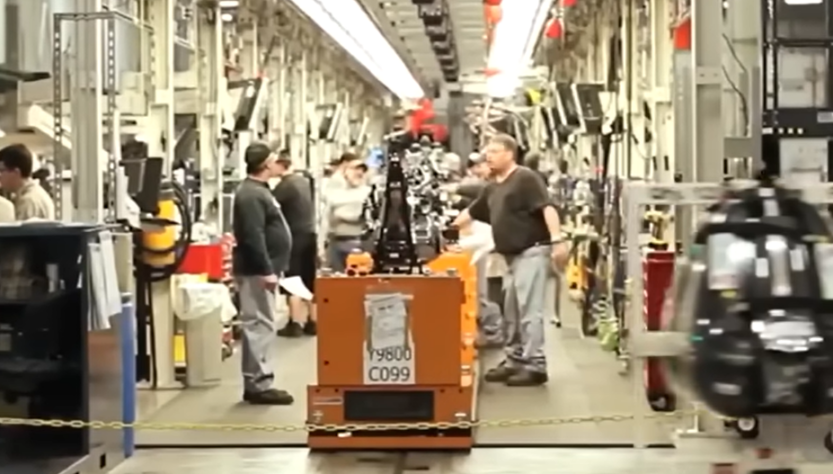
Hundreds of thousands of good-paying manufacturing jobs vanished under the last crew in Washington, shipped overseas while the so-called experts cheered “globalization” and told American workers to learn to code. Then Trump came back, slapped tariffs on the cheaters flooding our markets with cheap junk, and told companies to build here or get out. Now the numbers don’t lie: America’s factories are waking up. This isn’t some feel-good press release. It’s hard data showing production climbing, orders pouring in, and the first real job gains in years. The question isn’t whether it’s happening. It’s whether the coastal elites will admit Trump’s America First playbook is delivering what their open-border, endless-regulation nonsense never could.
The Hard Numbers Showing Real Momentum
The latest read on factory activity just hit levels not seen since before the Biden slowdown dragged everything into the mud. For the third month straight, the key manufacturing gauge sits above the expansion line at 52.7 percent in March 2026. New orders are growing, production is accelerating for the fifth month running, and factories are humming at a pace that beats the weak-kneed predictions from the so-called experts.
Industrial production tells the same story. The first quarter of 2026 saw output growing at a solid 2.4 percent annual rate. Manufacturing alone posted a 3.0 percent annualized gain in that period, even as the broader index pulled back slightly in March. Year-over-year, total industrial production sits 0.7 percent higher than a year ago. These aren’t guesses or seasonal flukes. They’re the output of real factories making real things with American hands.
And the jobs? After three straight years of losses totaling well over 100,000 positions under the previous setup, the first quarter of 2026 delivered the first net positive manufacturing job growth in three years. January added 5,000. March piled on another 15,000. The bleeding has stopped, and the turnaround is underway.
Manufacturing Returning to America https://t.co/NDJhxrsMKO
— BarcodeTimeTracking (@barcodetime) April 23, 2026
Tariffs Forcing the Reshoring Wave No One Thought Possible
Trump’s tariffs weren’t some abstract economic theory. They were a blunt instrument aimed at the heart of the problem: foreign predators dumping subsidized steel, aluminum, autos, and parts while American plants sat idle. “Liberation Day” tariffs in 2025 reset the game, raising duties to levels that finally made producing here competitive again. Imports of steel dropped sharply. Domestic output in protected sectors jumped. Companies that spent years chasing cheap labor abroad are now announcing billions in new U.S. investments, reopening shuttered mills, and expanding lines that Biden-era weakness left for dead.
U.S. Steel just fired up its Gary Tin Mill in Indiana again, bringing back 225 jobs that disappeared under the last administration’s watch. Steel Dynamics and Cleveland-Cliffs are reporting stronger demand and new investment precisely because trade enforcement is working. Across the board, announcements of new factories, expansions, and reshoring commitments have hit record territory. Trillions in pledged capital aren’t vaporware. They’re concrete pouring in places like Texas, Illinois, and the Midwest heartland where real Americans actually live and work.
“This is good news for Gary, Indiana, and it is good news for America. And, no, we’re still not tired of winning.”
Big, Beautiful New Win for US Manufacturing: US Steel to Restart Gary Tin Mill https://t.co/kQCQEtUq6N
— Ward Clark (@TheGreatLander) April 20, 2026
The old crowd warned tariffs would crush us with higher costs and retaliation. Instead, they delivered leverage. Foreign suppliers are scrambling to meet American rules or lose the market entirely. Domestic producers are finally getting the breathing room to invest, hire, and compete. Energy dominance under Trump keeps input costs manageable, giving factories the cheap, reliable power they need to scale without the green-energy fantasies that hiked prices and killed competitiveness.
The Biden Hangover Versus the Trump Rebound
Let’s be clear about the starting line. Manufacturing entered 2025 reeling from four years of open borders, regulatory strangulation, and policies that treated American industry like an afterthought. Job losses piled up month after month. Production stagnated. The so-called recovery was mostly service-sector fluff and government spending, not the factory floors that built the middle class.
Trump didn’t inherit a boom. He inherited a mess. Yet within months of the tariffs landing, the indicators flipped. Production indexes turned positive. New orders started climbing. Investment announcements surged. The first quarter job gains didn’t happen by accident. They happened because the incentives finally pointed home instead of to Mexico or China.
Skeptics will call this a blip, just like they dismissed Trump’s first-term gains before the pandemic hit. But look closer. This rebound comes with three straight months of expansion in activity, accelerating production, and actual net hiring after years of contraction. Supply chains are shifting. Companies aren’t just talking about reshoring. They’re executing. The data shows broadening strength across key sectors like transportation equipment, machinery, and chemicals.
This Isn’t a Temporary Blip. It’s the Beginning of the Real Comeback
Short-term noise always exists. Energy shocks, global conflicts, and policy uncertainty create headwinds. But the trend line is unmistakable. Factory output is climbing. Orders are flowing. Jobs are coming back after the Biden-era losses. Tariffs didn’t destroy manufacturing. They exposed the weakness of relying on adversaries and rewarded the strength of building here.
The old guard hated this approach because it put American workers first. They preferred cheap imports and virtue-signaling speeches. Trump chose steel mills over speeches, factories over feel-good pressers, and results over rhetoric. The numbers prove it worked.
America’s manufacturing base isn’t just surviving. It’s starting to surge again. The heartland is getting its factories back. The supply chains that once bled us dry are bending toward home. This is what winning looks like when you stop apologizing for wanting American industry to lead the world. The comeback is real, it’s accelerating, and the only question left is how much stronger it gets when the rest of the country finally admits what the numbers have been showing all along.