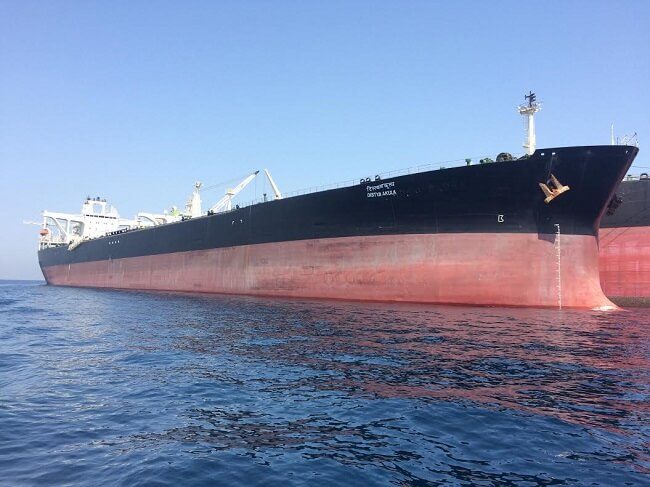
The United Arab Emirates dropped a bomb on the global oil cartel Tuesday, announcing it is quitting OPEC and the bigger OPEC+ gang effective May 1. After nearly six decades of playing ball with the price-rigging crew, the desert princes decided they’ve had enough of quotas, cutbacks, and letting Saudi Arabia call the shots. This isn’t some polite diplomatic note. It’s a straight-up walkout that guts the cartel’s leverage at the exact moment the Iran mess has already turned the Strait of Hormuz into a parking lot for tankers. The mullahs are broke, the Navy is holding the line, and now one of the big boys just took his ball and went home. The elites who loved the old cartel game are scrambling, but American drivers and American energy dominance are the ones who come out ahead.
UAE leaving OPEC matters because it ends decades of artificial price support that benefited every oil producer at the consumer’s expense.
Here’s the layman version.
OPEC is a cartel. Member countries agree to limit how much oil they pump. Limited supply keeps prices high. High…
— Armaan Sidhu (@realarmaansidhu) April 28, 2026
The Timing That Screams Strategic Panic
The UAE didn’t pick a random Tuesday. The announcement landed right in the middle of the Iran war fallout, with the U.S. blockade choking off the mullahs’ cash and the Strait of Hormuz largely closed. Ports are empty, tankers are idled, and the whole region is feeling the squeeze from America First enforcement. UAE officials called it a “pure policy change” after reviewing their long-term energy strategy. Translation: they’re done sacrificing production to keep the cartel’s artificial scarcity alive while the world burns through supply. The move also covers OPEC+, the expanded club that ropes in Russia and others to coordinate cuts. No more groupthink for Abu Dhabi. They want the freedom to pump what the market actually demands.
Why the UAE Finally Bailed on the Cartel Game
For years the UAE sat second only to Saudi Arabia in spare production capacity—the idle wells that let the cartel turn the price dial up or down like a thermostat. They were capped at around 3 to 3.5 million barrels a day under the quotas even though they could crank out nearly 4.9 million right now and had eyes on five million by 2027. That restraint cost them billions in lost revenue every year. The cartel demanded loyalty, and the UAE delivered—until it didn’t. Their energy minister made it crystal clear: this reflects a long-term strategic vision, an evolving energy profile, and accelerated domestic investment. In plain English, they’re done letting a bunch of has-been producers and hostile regimes dictate how much black gold they can sell. The Iran chaos just accelerated the decision. With shipping lanes jammed and the cartel looking weaker than ever, the UAE saw the exit ramp and floored it.
This isn’t some fringe member walking away. The UAE is a heavyweight—third-largest producer in the group and one of the few with real swing capacity. Losing them strips OPEC of meaningful muscle. Global supply control drops hard. Analysts tracking the flows say the cartel’s grip on world crude shrinks noticeably, maybe down to the low 20s percent range once the dust settles. The united front that let them squeeze prices for decades just lost its most reliable enforcer after Saudi Arabia itself.
From the Journal: UAE Exits OPEC – U.A.E.’s OPEC Exit Deals Major Blow to Cartel Amid Middle East Oil Squeeze
– The United Arab Emirates announced its departure from OPEC and OPEC+, dealing a heavy blow to the oil cartel.
– The U.A.E. seeks freedom to expand oil output and… pic.twitter.com/LQK4S4Ymrm— HAMP! (Lee Hampton) (@GameLogIQ) April 28, 2026
The Production Flood That’s Coming
Once the Hormuz mess clears—and it will, because the U.S. Navy doesn’t negotiate with bankrupt terrorists—the UAE plans to ramp up fast. Targets of five million barrels a day by 2027 are now realistic without cartel handcuffs. Some projections even float six million if demand calls for it. That extra supply hits the market without the usual OPEC+ meetings and backroom deals. No more artificial shortages to prop up prices for failing regimes in Tehran or Caracas. More oil means more competition, and competition is exactly what the cartel hates.
Short term, the announcement itself sent ripples. Oil prices jumped nearly three percent Tuesday—Brent hitting around $111, WTI crossing $100—as the Hormuz shutdown kept dominating the headlines. Gas prices spiked to levels not seen in roughly four years. But that’s the chaos of war talking. The real story is the long-term shift. Extra UAE barrels flooding in once shipping normalizes will put downward pressure on prices. Estimates run five to ten dollars a barrel lower once the dust settles. That flows straight to the pump: every dollar drop in crude usually trims gas prices by three to four cents. American families, truckers, and manufacturers get the break they deserve after years of cartel games and green-energy fantasies that drove costs through the roof.
America First Energy Wins When Cartels Crack
This is what happens when real pressure meets real incentives. The U.S. doesn’t need OPEC. We’re the top producer thanks to the drilling boom that the last crowd tried to kill. Domestic energy independence means we watch these cartel meltdowns from a position of strength. The UAE bailing weakens the very group that spent decades working against American interests—funding terror, propping up adversaries, and keeping prices artificially high. Lower global prices hurt the bad actors more than they hurt us. Russia, Iran, Venezuela—all of them lose leverage when supply flows freer.
The old guard hated this kind of disruption because it exposed their weakness. They preferred managed scarcity and endless summits. Trump’s approach—secure the lanes, enforce the rules, let American energy lead—forced the realignment. The UAE isn’t turning against the region. It’s turning toward reality: produce more, sell more, and stop carrying water for the cartel’s failures. Markets will sort the rest. More supply, less manipulation, cheaper energy for Americans who actually work for a living.
The cartel just lost its golden boy, and the world’s oil markets are better for it. Gas prices might stay bumpy while the Hormuz situation plays out, but the trend line is clear. More oil from willing producers means relief at the pump and a weaker hand for the regimes that hate us. This is how America wins: by minding our own business, enforcing our interests, and letting the free market punish the cartels that thought they could run the show forever. The UAE just proved the old game is over. The future belongs to producers who answer to markets, not committees in Vienna. And that future looks a lot cheaper at the pump.