The same crew that spent months screaming about “fairness” while trying to rig four extra House seats for themselves just got another harsh lesson in how the rules actually work when adults are in charge. Virginia Democrats thought they could ram through an illegal mid-decade redistricting scheme, sell it to voters as some noble quest for balance, and then watch the new map flip the state’s delegation from 6-5 Democrat to something closer to 10-1. Voters narrowly bought the pitch on April 21. Courts didn’t. And now the U.S. Supreme Court has slammed the door shut on their last desperate Hail Mary. The current congressional map stays exactly where it was for the 2026 midterms. No new districts. No stolen seats. No Democrat fantasy fulfilled.
The Sloppy Appeal That Screamed Desperation
After the Virginia Supreme Court killed the scheme on May 8 in a 4-3 ruling, Democrats didn’t accept defeat like normal people. They filed an emergency appeal to the U.S. Supreme Court on May 11, begging Chief Justice John Roberts to step in and let them use the new map anyway. The filing was an absolute embarrassment—full of typos, including the state’s own name misspelled as “Virgnia” on the first page, and even addressed to the wrong court in one spot. It was the legal equivalent of showing up to a gunfight with a water pistol and a note that says “please.”
The core argument? The Virginia Supreme Court supposedly committed “judicial defiance” by enforcing the state constitution’s clear procedural rules. Democrats claimed the amendment process was fine even though the legislature’s second vote came after early voting had already started in the 2025 House elections. The state high court saw through it: the constitution requires two separate legislative votes separated by a general election. Early voting doesn’t count as the full election. Game over.
The Supreme Court’s Quick and Decisive No
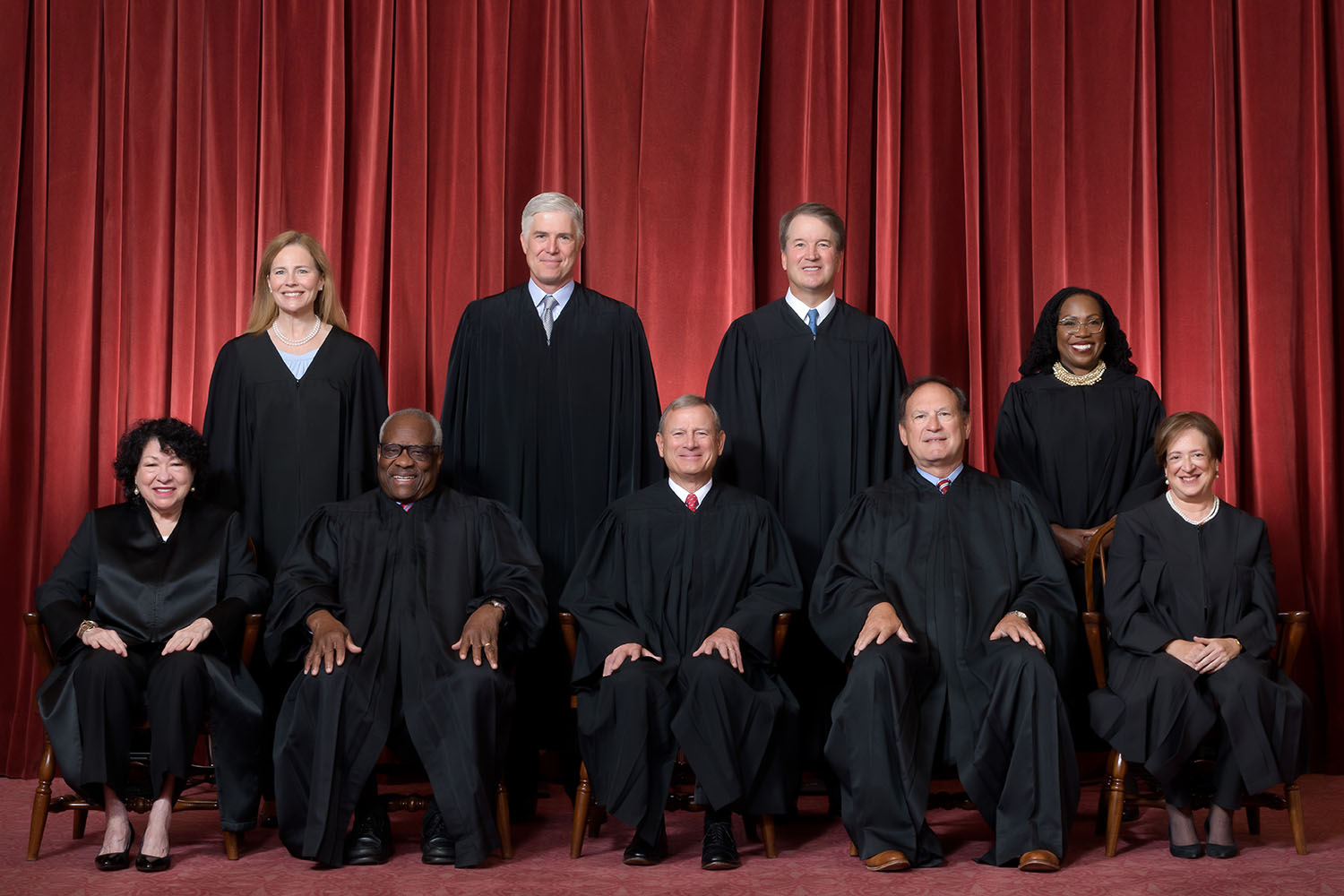
On May 15 the U.S. Supreme Court rejected the emergency stay without comment. One-sentence order. No oral arguments. No drama. Just a flat denial that leaves the Virginia Supreme Court’s ruling in full effect. The justices didn’t need to wade into state constitutional minutiae or debate the merits of the new map. They simply refused to override a state court on a pure state-law procedural issue this close to the election. That’s exactly how federalism is supposed to work, even if Democrats hate it when it doesn’t go their way.
The current 6-5 Democrat advantage map—drawn by court experts after the 2020 census—stays locked in for November. Republicans keep their five seats, Democrats keep their six, and the handful of competitive districts that actually matter stay competitive. No four-seat windfall for the party that already controls the levers in Richmond and thought it could rewrite the rules on the fly.
Democrats passed a referendum to redraw maps
The Virginia Supreme Court struck it down on procedural grounds
Democrats tried to take it to the U.S. Supreme Court
SCOTUS said no, unanimously
The issue wasn’t even the map itself
It was how the amendment was passed. https://t.co/rmMK7s1pI6
— wdholland2003 (@wdholland2003) May 16, 2026
Why This Was Never Going to Work
The whole scheme was built on sand from the beginning. Democrats in the legislature tried to bypass normal redistricting timelines by sneaking the amendment through a special session that stretched the rules, then rushing it to voters in a low-turnout special election. The Virginia Supreme Court called it what it was: a procedural violation that voided the entire process. The U.S. Supreme Court wasn’t about to step in and rescue a state-law mess that had no clear federal hook, especially when the state court’s ruling was grounded in the plain text of the Virginia constitution.
This wasn’t some neutral exercise in “fairness.” It was a naked power grab dressed up in pretty language. Democrats wanted the new map because it would have packed Republican voters into fewer districts and cracked Democratic strongholds just enough to manufacture extra safe seats. The courts said no. Twice.
What This Means for 2026 and Beyond
Virginia’s congressional districts will remain exactly as they were in 2024 for the upcoming midterms. That’s a massive win for Republicans and a humiliating loss for Democrats who bet the farm on flipping the House through backroom map tricks. The current map already gives Democrats a slight edge in a state that’s trending purple, but it doesn’t hand them the four-seat bonanza they were counting on. Come November, candidates will run in the same districts voters have known for years, and the results will reflect actual voter preferences instead of engineered outcomes.
The bigger picture is even sweeter. This ruling reinforces that states still control their own redistricting destiny under the Constitution, and courts—state and federal—won’t let one party rewrite the rules midstream just because they don’t like the current math. Democrats can cry about “democracy” all they want. The real democracy happened when voters approved the amendment and the courts enforced the actual law. The map stays the same, the power grab fails, and Virginia stays a battleground instead of turning into another deep-blue fiefdom.
The America First takeaway is simple: when one side treats the rules like toilet paper, the system still works if judges do their jobs. Virginia Democrats tried to steal seats through procedural sleight of hand. The courts stopped them cold. The current map holds for 2026, and the House majority looks a little more secure because of it. The left can keep filing sloppy appeals and whining about fairness. The rest of us will watch the midterms play out on the map voters actually get to keep.