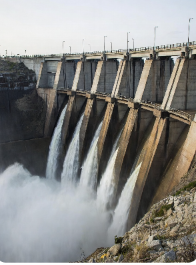
Divers doing routine maintenance at a critical dam in Mobile, Alabama, just pulled a live grenade-type improvised explosive device out of the water. The device was sitting right there on the Converse Reservoir dam at Big Creek Lake, the sole drinking-water source for roughly 350,000 people in the Mobile area. This isn’t some Hollywood thriller. It’s real, it happened this week, and it exposes exactly how vulnerable our critical infrastructure remains even after years of warnings about domestic and foreign threats. The FBI and local law enforcement responded fast, retrieved the IED, and detonated it safely off-site with zero harm to the water supply or the public. But the fact that it was there at all should have every America First American demanding answers instead of the usual “thoughts and prayers” from the people who keep pretending the border is secure and the homeland is safe.
What the Divers Actually Found
The device was a grenade-type IED discovered underwater during a standard survey of the dam for repairs and maintenance. Mobile Area Water and Sewer System officials described it exactly that way: a grenade-style improvised explosive device. It wasn’t some random piece of debris or an old fishing weight. It was a purpose-built explosive placed in a spot where it could do maximum damage to the dam structure or contaminate the reservoir that supplies an entire region’s drinking water.
The reservoir itself is a 3,600-acre critical infrastructure asset. Both the dam and the lake are federally designated as such. One well-placed explosive could have compromised the water supply for hundreds of thousands of Americans, caused flooding, or triggered a cascading failure that would have taken months and millions of dollars to fix. The fact that it was found during routine work means it could have been sitting there for weeks or longer. One unconfirmed report even suggested it might have been spotted as early as March, though that detail remains under investigation.
The Swift Response That Kept a Disaster from Happening
Credit where it’s due: the system worked when it counted. Divers from the contracted maintenance team spotted the device, alerted the Mobile Area Water and Sewer System immediately, and the utility looped in the Mobile County Sheriff’s Office. That triggered a full multi-agency response involving the Gulf Coast Regional Maritime Response and Render-Safe Team, the FBI Bomb Squad, the Alabama Law Enforcement Agency Bomb Squad, local police, and search-and-rescue divers. The device was retrieved, removed from the water, and safely detonated off-site. No injuries, no contamination, no panic in the streets.
🚨WHAT THE HELL?!!!!
Divers doing a ROUTINE maintenance check at the Converse Reservoir dam in Mobile, AL…
…just found an underwater IED!!!!
Apparently a grenade-type bomb was sitting submerged at the bottom of a dam that holds an entire city’s DRINKING WATER.
It took… pic.twitter.com/Rh5VQMspcU
— Matt Van Swol (@mattvanswol) May 14, 2026
Mobile Area Water and Sewer System Director Bud McCrory called it an “unprecedented threat” to critical infrastructure and praised the quick thinking of the contractors and the professionalism of law enforcement. Local leaders, including Senator Katie Britt, echoed the thanks. The dam itself is now getting beefed-up security measures in the wake of the discovery.
Who Might Have Put It There – And Why the Silence on Motive Matters
Here’s the part the regime media and the Biden holdovers still refuse to say out loud: this wasn’t an accident. Someone intentionally placed an explosive device on a federally protected dam that supplies drinking water to a major American city. The investigation is active, led by the FBI and local authorities, but no arrests or named suspects have been announced yet. That leaves the field wide open for the usual suspects in 2026 America.
Possibilities range from a lone-wolf domestic extremist with a grudge against infrastructure, to a coordinated terror cell testing soft targets, to foreign actors probing our vulnerabilities the same way they’ve been probing grids and pipelines for years. The timing is suspicious. We’re in the middle of heightened global tensions, including the recent Iran conflict that China watched like a training film. Critical infrastructure like dams, reservoirs, and power plants have been on the radar of adversaries who want to disrupt American life without firing a shot across the ocean. The fact that the device was grenade-type and placed underwater suggests someone with at least basic knowledge of explosives and access to the site—whether through insider help, reconnaissance, or simple opportunity during low-security periods.
The left’s reflexive instinct will be to downplay it as “isolated” or blame “right-wing extremism” before any facts are in. That’s the same script they run every time a threat appears that doesn’t fit the narrative. The America First truth is simpler: our borders are still porous, our vetting is still weak, and our critical infrastructure remains an inviting target for anyone who hates what this country stands for. Whether the perpetrator turns out to be a homegrown radical or someone who slipped in through the chaos at the southern border, the vulnerability is the same. We keep spending billions on overseas adventures while the homeland’s back door stays wide open.
The America First Bottom Line
This incident should be a five-alarm fire for anyone who claims to care about national security. A live IED on a drinking-water dam isn’t a “one-off.” It’s a warning shot that the people who want to harm us are already inside the wire or testing how far they can push before we push back. The swift response by local law enforcement and the bomb teams prevented a catastrophe, but prevention after the fact isn’t the same as deterrence. We need hardened security at every critical site, real vetting at the border, and a national mindset that treats these threats as the acts of war they are instead of isolated crimes.
The divers who found the device probably saved lives they’ll never meet. The real question now is whether the people in charge will treat this as the wake-up call it is or go back to sleep until the next device shows up somewhere even harder to reach. Mobile dodged a bullet—literally. The rest of the country shouldn’t have to wait for its own close call before we finally secure the homeland the way we secure everything else. Enough with the performative security theater. Real protection starts with admitting the threat is here and acting like it.