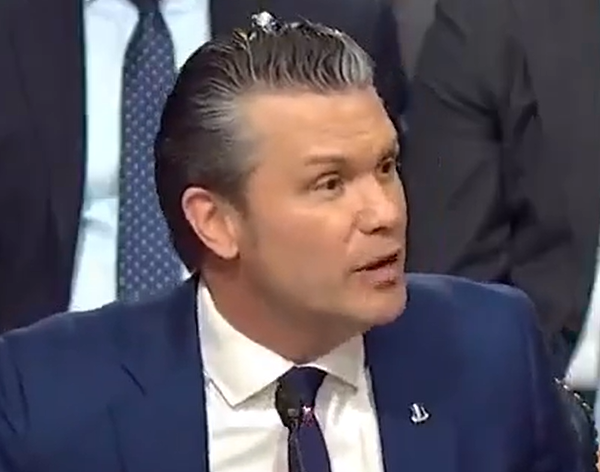
President Trump and Secretary of War Pete Hegseth didn’t wake up one morning and decide to yank American boys out of Europe for fun. This is the bill coming due after decades of smug lectures, cheap shots at American voters, and treating U.S. taxpayers like an endless ATM for their welfare states and weak militaries. Pulling thousands of troops from Germany, canceling rotations to Poland, and signaling more cuts isn’t punishment—it’s overdue correction. Europe faces two gut punches: lost American spending that propped up their local economies, and the cold reality of actually paying for their own defense. The question isn’t if it hurts. It’s whether these continental elites finally regret treating Americans like rubes for so long.
The Economic Sugar High That’s About to Crash
American bases in Europe weren’t charity. They pumped billions into local communities through troop salaries, family spending, contracts, and construction. Towns around Ramstein, Stuttgart, and other installations built entire economies around the U.S. presence—restaurants, housing, services. Germany alone hosted around 35,000 troops before the latest moves. Pull 5,000 out over the next year, cancel a 4,000-strong brigade headed to Poland, and those euros stop flowing. Local businesses feel it first. National budgets take the hit when the indirect stimulus vanishes.
For years, this setup let Europeans underfund their own forces while enjoying the security blanket. U.S. spending subsidized their social programs and green fantasies. Now the tap tightens. Redeploying those forces stateside or to higher priorities like the Indo-Pacific saves American money and redirects it where it matters. Europe loses the economic boost without the corresponding gratitude. It’s not “abandonment.” It’s ending the subsidy for people who mocked the very Americans footing the bill.
NATO allies under pressure to increase their defense as US reduces its number of troops in Europe
Secretary of War Pete Hegseth creditedPoland for demonstrating its ability to defend its own border, hoping Poland would serve as an example for other NATO nations. pic.twitter.com/RNuX0EoSRY
— SANTINO (@TheRealSantino) May 21, 2026
Forcing Europe to Grow Up on Defense—Or Face the Consequences
The second hammer is even harder. America carried the load for NATO while most Europeans skimped. Decades of peace dividend excuses left their militaries hollow—rusting equipment, low readiness, tiny stocks of ammunition. Trump spent years demanding 2 percent of GDP. Many finally hit it under pressure, but it took Russia’s moves in Ukraine and repeated American warnings. Now the bar rises higher, with new targets pushing toward serious spending by 2035. Germany, the economic engine, ramps up but still plays catch-up. Others talk big while scrambling.
The withdrawals—5,000 from Germany triggered by Chancellor Friedrich Merz’s public disrespect during the Iran situation, plus halted Poland deployments—send the signal. No more unlimited American manpower for half-hearted allies. Europeans must fill the gaps: more troops, real procurement, actual industrial base. This means higher taxes, budget trade-offs against their beloved entitlements, or both. Some leaders admit the over-reliance was unsustainable. NATO’s own chief has called stepping up “only right.” But the grumbling is loud. Surprise announcements, private complaints, fears of signaling weakness to adversaries. The free ride exposed their weakness.
Geography still matters. Threats from Russia or elsewhere don’t vanish because U.S. rotations adjust. Europe has the population, wealth, and talent to defend itself if it chooses. Instead of endless U.S. heavy lifting, they get forced investment in their own backyard security. Short term pain: disrupted planning, capability holes, political fallout at home. Long term? Potentially stronger European forces if they stop virtue-signaling and deliver hardware. Or continued vulnerability if the old habits win.
The Regret? It’s There, But Wrapped in Elite Arrogance
Are they feeling bad about the years of disrespect? Some quietly yes. The panic in Brussels and Berlin, the sudden talk of “strategic autonomy” and self-reliance, shows the wake-up call landed. Mocking American priorities, dragging feet on spending, and treating Trump-era voters like deplorables carried a price. Public statements frame it as “foreseeable” or a chance to mature, but the tone betrays anxiety. They liked the protection without the full cost. Now the protector is refocusing on America First, and the bill arrives.
Not universal remorse, of course. The same salons that sneered at flyover country Americans still lecture about values while scrambling for replacements. But reality bites. Lost economic injection plus mandatory defense hikes strain budgets already stretched. Voters in Europe notice when services slip or taxes rise to fund what Washington once covered.
This reset benefits America by conserving resources for real threats and enforcing fairness. Europe gets the adulthood it long avoided. The discomfort proves the point: freeloading felt great until the host stopped enabling it. Trump and Hegseth delivered the message in action, not words. The continent can whine, adapt, or keep pretending. History shows pretending doesn’t end well when the checks stop clearing.