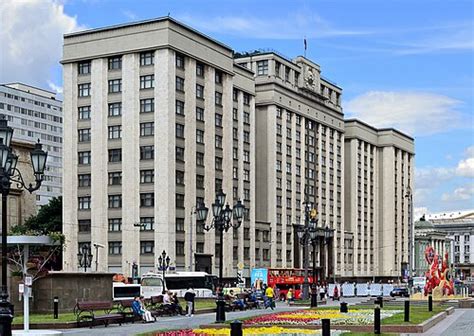
Most Americans missed it. Over the weekend, Russia held its first parliamentary election since the full-scale invasion of Ukraine. From Friday through Sunday, voters chose the 450-seat State Duma, the lower house of parliament. On Monday, with more than 95 percent of ballots counted, President Vladimir Putin’s party, United Russia, had about 58 percent of the party-list vote and was projected around 355 seats. That is a constitutional majority: enough to change the constitution without any other party. Official turnout was reported near 59 percent, higher than in 2021.
The Kremlin called the result wartime unity. It was not a mandate for peace. It was a managed majority that tells Putin he can keep fighting without a parliamentary revolt.
The system was built to produce that outcome. Yabloko, the last visible anti-war party, was barred from the national party list. The parties that made it in—the Communists, LDPR, New People, and a sliver of A Just Russia—have already voted with the Kremlin on the war. Single-mandate districts went overwhelmingly to United Russia. Chechnya posted the usual near-unanimous numbers. Electronic voting expanded. Independent monitoring did not. This was a ratification ritual, not a contest that could surprise the palace.
That matters for Ukraine. A rubber-stamp Duma creates no peace constituency. It will pass the next budget, the next censorship law, and if needed the next manpower measure. The battlefield has not forced a freeze either. Russian advances have slowed in 2026. Ukraine has taken back some ground and kept hitting Russian energy and military sites. Neither side is collapsing. The war remains expensive and useful to a regime that treats “unity” as a substitute for consent. Monday’s numbers will be read in Moscow as permission to continue.
That also matters for the United States. Washington cannot vote Russians into realism. It can raise the price of continuation. The Graham Act, signed as voting began, gives the president tools against Russian energy revenue, the shadow fleet, and the countries that still buy Russian oil and gas. Moscow immediately called the law unfriendly and said more sanctions would complicate a settlement. Of course it would. Putin wants talks that lock in gains. He does not want the war made more expensive at the same moment he is selling the election as proof of endurance.
U.S.–Russia relations now run on two tracks that collide. One is deal-seeking: envoys, phone calls, talk of restored ties after a ceasefire, and pressure on Kyiv over energy strikes. The other is coercion: a new sanctions statute and Ukrainian long-range attacks Washington has not stopped. Putin can use the Duma result to claim a domestic mandate while telling Washington that pressure poisons talks. Washington can use the same result to say Putin is under no internal pressure to fold.
Both claims are half-true. A managed majority is not public enthusiasm. It is control. The Duma will not end the war. Costs might: oil revenue, damaged refineries, manpower, and secondary pressure on Russia’s buyers. The election says that day has not arrived inside Russia’s political system. It also says the relevant American question is not the seat count. It is whether the United States uses the leverage it just wrote into law.