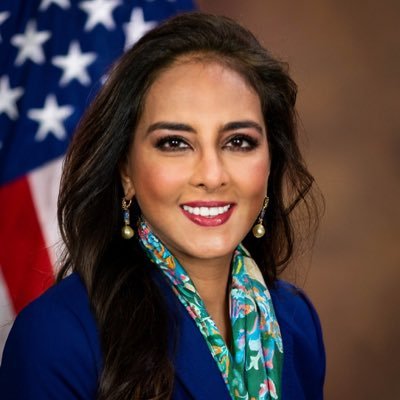
Eric Holder spent Sunday on television telling viewers that the people Harmeet Dhillon has brought into the Civil Rights Division must be removed the moment a Democrat returns to the White House. He called the current direction a break from the division’s historic mission and said the next president should use the expanded executive power the Supreme Court has recognized to put the old order back in place. The statement was not a policy disagreement. It was a personnel list.
What Holder Said and Why It Matters
Holder told the host that rebuilding the Justice Department’s reputation would take time and that the White House now has the tools to make large staffing changes. He singled out the Civil Rights Division by name. “All those people who Harmeet Dhillon has hired, for instance, in the Civil Rights Division, and turned around what the historic mission of that division has been, they got to go,” he said. “They just got to go.” He added that this was “not a time for timidity” and that the next Democratic president should use the power the courts have affirmed to restore the norms that governed the department for decades.
Dhillon was confirmed in April 2025. Since then the division has closed or withdrawn from a series of long-running police consent decrees, opened investigations into university admissions practices that treat race as a factor, and filed cases focused on election administration and religious liberty. Hundreds of career attorneys have left; the division has hired more than one hundred new staff. Holder’s objection is not that the new lawyers lack credentials. It is that they are executing a different set of priorities from the ones that defined the division under prior Democratic administrations.
The best endorsement of the effectiveness of Harmeet Dhillon at DOJ: that Eric Holder is trashing her priorities and staff. Holder used the Civil Rts Div as a cudgel for the Left. Harmeet investigates clear constitutional and statutory abuses.
— Laura Ingraham (@IngrahamAngle) October 25, 2026
The Record Holder Is Defending
Holder served as attorney general from 2009 to 2015. During those years the Civil Rights Division pursued pattern-or-practice investigations of police departments, defended race-conscious admissions policies in court, and treated disparities in outcomes as evidence of systemic discrimination even when the underlying statutes required proof of intent. Those choices produced consent decrees that remained in place for years and federal guidance that universities used to justify considering race. Critics argued the approach substituted statistical gaps for evidence of intentional wrongdoing and expanded the division’s reach beyond the text of the civil rights statutes. Holder’s Sunday remarks treat that body of work as the baseline that must be restored.
Obama’s AG just laid out the Democratic plan.
Eric Holder on MS NOW about Harmeet Dhillon’s hires at DOJ: “They got to go. They just got to go. This is not a time for timidity.”
They want the power back to purge. https://t.co/XRD9J6wkPT
— Andrew Kolvet (@AndrewKolvet) October 25, 2026
What the Next Administration Would Actually Do
Holder’s language leaves little room for gradual change. He is not proposing new legislation or a public debate over enforcement priorities. He is describing a post-election purge of the attorneys Dhillon has hired and a return to the case selection and legal theories that governed the division before 2025. The practical effect would be the reopening of police investigations that were closed, the withdrawal of challenges to race-based admissions, and the reassignment or removal of the lawyers who have carried those challenges. Whether that sequence occurs depends on the outcome of the 2028 election. Holder has already announced the intended first step.