Project Vault, modeled after the Strategic Petroleum Reserve, targets rare earths, lithium, cobalt and others key to EVs, smartphones and jet engines. China controls most processing, and recent export curbs exposed U.S. vulnerabilities, prompting this $12 billion effort funded by a $10 billion EXIM loan and $2 billion private capital. Companies like GM, Boeing and Google committed to buying upfront, with traders handling storage; in crises, firms draw supplies and repay later, as officials stressed economic security equals national security. Markets cheered, lifting shares in U.S. miners and surging gold and silver prices.
🚨 BREAKING: President Trump just created a $12 BILLION STOCKPILE of rare earth minerals, infuriating China
— Eric Daugherty (@EricLDaugh) February 2, 2026
"A lot of presidents did a lot of talking, but didn't DO anything!" 🔥
This stockpile — "Project VAULT" — ensures America has all the minerals we need for emergencies
I… pic.twitter.com/uXNxgm6eIg
In a bold move echoing the strategic petroleum reserves of decades past, President Donald Trump has unveiled “Project Vault,” a groundbreaking initiative to amass a $12 billion reserve of rare earth elements and other critical minerals. Announced in the Oval Office on February 2, 2026, this plan aims to shield U.S. manufacturers from supply chain shocks and diminish reliance on China, which currently dominates the global market for these essential resources.
With tensions simmering in U.S.-China trade relations, Project Vault represents a high-stakes gambit to secure America’s technological and economic edge in an era defined by electric vehicles, semiconductors, and renewable energy.
The Vital Role of Rare Earths and Critical Minerals
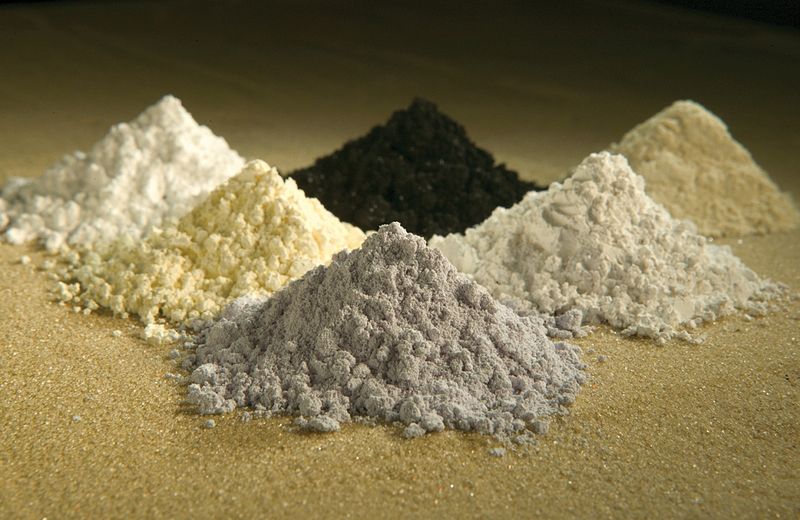
Rare earth elements—a group of 17 metals with exotic names like neodymium, dysprosium, and lanthanum—are far from rare in the Earth’s crust, but they’re notoriously difficult and environmentally challenging to extract and process. These minerals are indispensable for modern life: They power magnets in wind turbines and electric car motors, enhance smartphone screens, and enable advanced military hardware like fighter jets and missiles. Critical minerals, a broader category that includes cobalt, lithium, and gallium, fuel everything from batteries to electronics.
China controls about 80–90% of global rare earth processing, giving it immense leverage. In past trade spats, Beijing has hinted at restricting exports, sending ripples through global markets. The U.S., despite having domestic deposits, has lagged in mining and refining due to regulatory hurdles, high costs, and environmental concerns. Trump’s plan seeks to change that by creating a buffer stockpile, ensuring American businesses “are never harmed by any shortage.”
COMMERCE SEC HOWARD LUTNICK at "Project Vault" mineral reserve announcement: "We are taking back critical minerals. We are taking back mining. We're taking back the auto industry. You're gonna watch us take back pharmaceuticals. We're gonna take back semiconductors. None of this… pic.twitter.com/PMQJZZgohM
— Fox News (@FoxNews) February 2, 2026
Inside Project Vault: Funding and Mechanics
The initiative kicks off with $12 billion in funding: a $10 billion, 15-year loan from the U.S. Export-Import Bank (EXIM)—described by its chairman as the largest deal in the bank’s 92-year history—and approximately $2 billion in private capital. This public-private partnership draws commitments from major manufacturers, miners, and traders, emphasizing a “no free riders” approach where beneficiaries contribute directly to the reserve.
Unlike traditional government stockpiles, Project Vault is tailored for the private sector, allowing companies in autos, aerospace, and energy to access minerals during disruptions without bureaucratic delays. The White House envisions it as a model inspired by foreign systems but “uniquely American,” blending market incentives with national security imperatives. Secretary of State Marco Rubio is set to highlight the project at a ministerial meeting on critical minerals at the State Department on February 4, 2026, potentially inviting international partners to join.
Market Reactions: Stocks Surge Amid Optimism
The announcement sent shockwaves through financial markets. Shares of U.S.-listed rare earth miners jumped, with companies like United States Antimony Corp. rising nearly 7% and NioCorp Developments gaining 4.4% in early trading on February 3. Globally, the buzz extended to firms whose leaders met with Trump at the White House to discuss supplying minerals from overseas projects.
On X, investors and analysts hailed it as a game-changer. Some predicted boosts for various small-cap mining stocks, while others cautioned that stockpiles might only “delay scarcity,” stressing the need for accelerated domestic mining to address long-term supply challenges.
Broader Context: Building on Past Efforts
This isn’t Trump’s first foray into mineral security. During his first term, a 2020 executive order declared a national emergency over U.S. dependence on foreign critical minerals, directing agencies to bolster domestic production and reduce vulnerabilities. Recent agreements with allies like Australia aim to diversify supply chains, including frameworks for mining and processing.
The administration frames these minerals as a national security priority, using tariffs and trade tools to counter foreign dominance. Negotiations could include price floors to stabilize markets, impacting producers and consumers across sectors.
Challenges and Implications
While Project Vault promises resilience, skeptics question its efficacy. Building a stockpile is one thing; sustaining it amid volatile prices and environmental pushback on mining is another. China could respond with export curbs, escalating tensions. Moreover, the plan’s reliance on private funding might favor large corporations, potentially sidelining smaller players.
Yet, the upside is clear: A secure supply could turbocharge U.S. innovation in green tech and defense, creating jobs and reducing geopolitical risks. As one observer put it, this is about ensuring “U.S. companies are not short of key raw materials when global markets are disrupted.”
In an increasingly multipolar world, Project Vault isn’t just about minerals—it’s a statement of American self-reliance. As details unfold, it could reshape global supply chains for generations.