Scarlet fever, also known as scarlatina, caused by Group A Streptococcus, has seen a recent resurgence, In 2025, scarlet fever cases have surged in parts of East Asia, notably South Korea, with a reported 148% increase amid cold-like symptoms, while China’s Beijing Children’s Hospital noted 12,397 cases in June 2024, 1.5 times the pre-COVID decade average, with high incidence expected to persist in Chongqing through 2025. The UK Health Security Agency reported 12,176 cases in England from January to March 2024. No specific 2025 US data is available, but global trends suggest heightened vigilance is warranted due to rising Group A Streptococcus infections.

White strawberry tongue in early stage
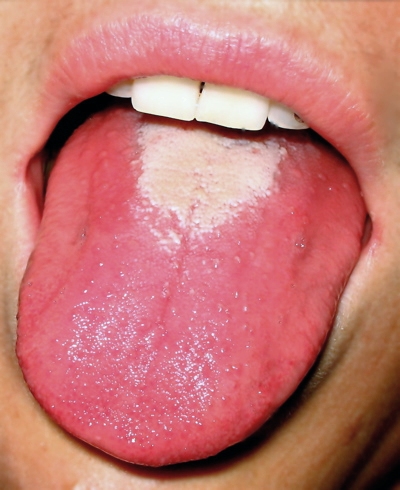
Red strawberry tongue seen in later stage
Primarily affecting children aged 5–15, it can also impact adults. Symptoms include a red, sore throat, fever (101°F+), a sandpaper-like rash, strawberry tongue, and swollen glands. Complications like rheumatic fever or kidney disease are rare with early treatment.
Antibiotics (e.g., penicillin VK, erythromycin, or a single penicillin G benzathine injection) for 10 days are standard, rendering patients non-contagious after 24 hours.
Transmission occurs via respiratory droplets or direct contact with infected mucus, saliva, or skin.
Preventive measures include avoiding infected individuals and frequent handwashing. Monitor for symptoms, especially sore throat or rash, and request a strep test if suspected.