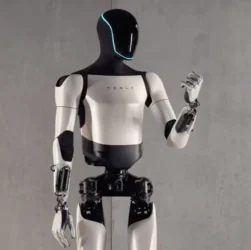
Elon Musk: @Tesla_Optimus will beat any human surgeon in 3 years at scale. – “Don’t go into medical school. ?” …
Basic survival, emergency preparedness, some politics with a few fun do-it-yourself skills thrown in.
Basic survival, emergency preparedness, some politics with a few fun do-it-yourself skills thrown in.
Elon Musk: @Tesla_Optimus will beat any human surgeon in 3 years at scale. – “Don’t go into medical school. ?” …

What most people consider a painful nuisance is turning out to be a remarkable biological resource. New research published in Stem …
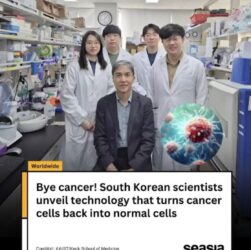
🚨 Mind-Blowing Cancer Breakthrough: Korean Scientists Just Found a Way to Turn Cancer Cells Back to NORMAL — Without Killing …
The “No Vax, No Visit” Cocooning Requirement for Newborns Is Largely Unnecessary Strict rules demanding that grandparents, relatives, and other …

Jensen Huang’s Bold Prediction: Digital Biology Spells Extinction for Traditional Pharma In a recent declaration that’s sending shockwaves through the …

(The Center Square) – The price for the same prescription drug in different hospitals nationwide could have more than a …

By Manzanita Miller While the recent conflict between the U.S. and Iran is front and center in early March and will …

In early 2026, Robert F. Kennedy Jr., Secretary of Health and Human Services (HHS), announced a major initiative to launch …

If you’re like millions of home cooks, PAM cooking spray has been a staple in your kitchen for years—quick, convenient, …

Taking control of your health starts with having full access to your own medical information. Many people leave a hospital …

Analysis of Bacterial Infections as a Heart Attack Trigger The 2025 study from Tampere University and the University of Oxford, …
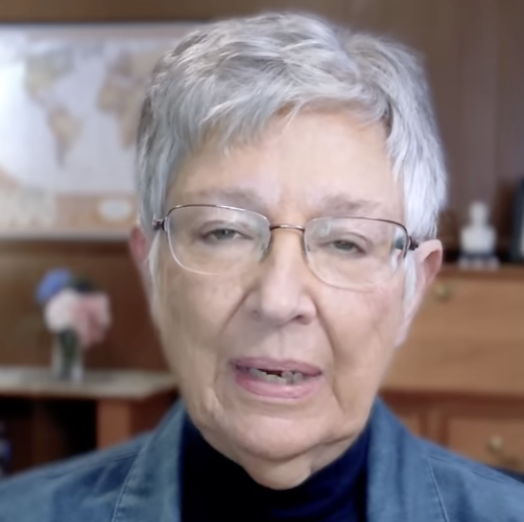
Don’t miss Susan Kokinda’s analysis on Trump’s bold move against insurance companies and how it aligns with global power structures. …
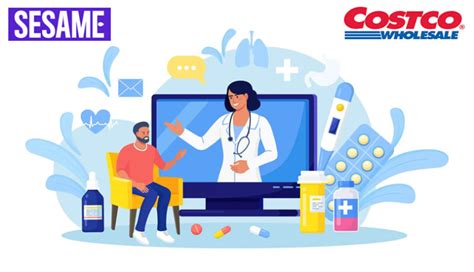
Did you know Costco partners with Sesame for discounted telehealth? Members get $29 virtual primary care visits, $79 therapy, $72 …
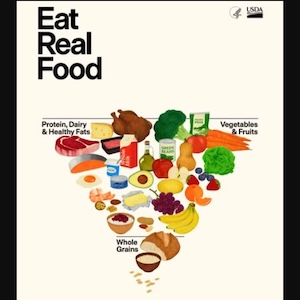
These Guidelines mark the most significant reset of federal nutrition policy in our nation’s history. The message is simple: eat …

Listen up, patriots, because the Obamacare nightmare is still shambling along like a zombie from a bad B-movie, sucking the …
The FDA won’t tell Americans where their generic drugs are made, so ProPublica did it instead. Use information from your …

HHS, under Sec. RFK Jr., announced rules to block federal Medicaid/CHIP funding for gender transition procedures (drugs/surgeries) on minors and …

I saw this X post and looked it up. Y’all know I’m not a doctor but this looks like a …
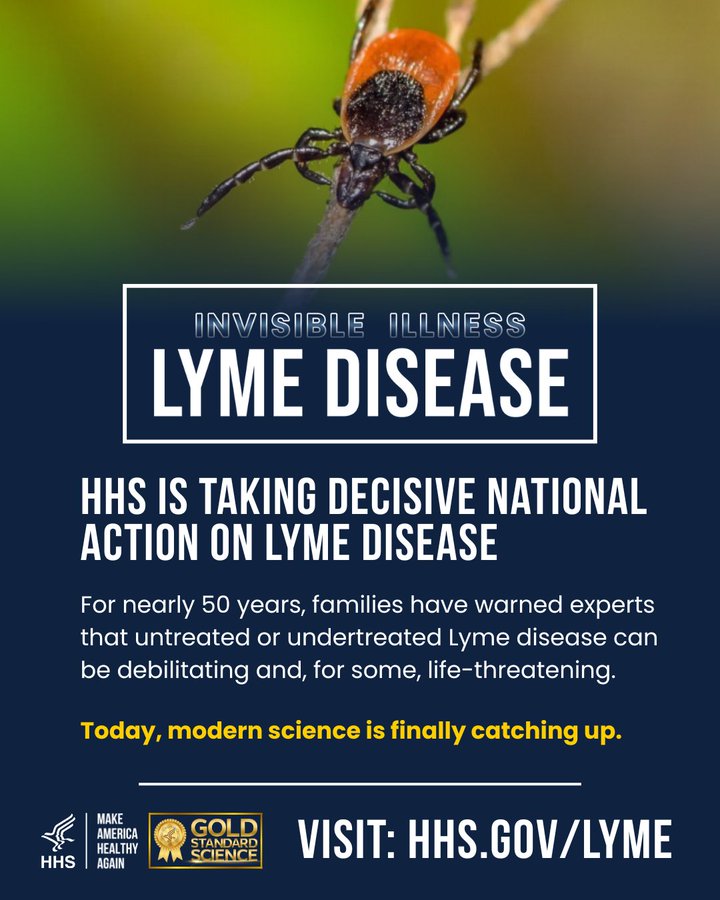
HHS Secretary Kennedy gathered patients, doctors, researchers and lawmakers to launch new tools under the Make America Healthy Again initiative, …

The U.S. Senate failed to pass either party’s health care bill on Thursday: ▫ Senate Rejects Dual Healthcare Bills AS …

Derek Lemoine, University of Arizona; Ashley Langer, University of Arizona, and Bo Guo, University of Arizona When pregnant women drink …

By Kurt Miceli, November 26, 2025 Perhaps no issue in modern society is more divisive or emotional than whether children …

For decades, Americans have accepted skyrocketing premiums, opaque billing, and the constant fear of claim denials as the unavoidable reality …
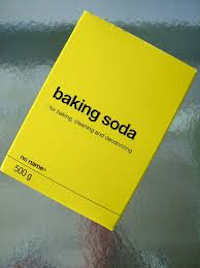
Baking soda—that unassuming white powder tucked away in every kitchen—has quietly earned a reputation as one of the world’s most …

Academy Award nominee Liam Neeson narrates this powerful investigation into how pharmaceutical giants systematically captured governments and deceived families worldwide. …

Lyme disease is caused by spirochete bacteria of the genus Borrelia — primarily Borrelia burgdorferi in NorthAmerica and B. afzelii or B. garinii in Europe and Asia. These are ancient organisms. Genetic evidence showsthey have circulated naturally in wildlife across the Northern Hemisphere for tens of thousands of years. BorreliaDNA has been recovered from Ötzi the Iceman (5,300 years old) and from American ticks collected in the 1890s— decades before any modern laboratory existed. The late-20th-century explosion in human cases was driven entirely by ecological change: reforestation of the northeastern United States, skyrocketing white-tailed deer populations, and suburban houses built deeper into tick habitat. Despite conspiracy theories to the contrary, Lyme disease is not a bioweapon, not a lab leak, and not a recent invention. It is an ancient zoonosis that finally found us again. Why Lyme Can Become Chronic Borrelia is a master of immune evasion. It forms protective biofilms, converts into round-body and cyst-like“persister” forms, hides inside collagen and joints, and frequently arrives with co-infections such as Babesia, Bartonella, Anaplasma, or even parasitic worms. Short courses of antibiotics (the current CDC guideline) cure many early cases, but when infection is disseminated or delayed in diagnosis, 10–20 % of patients are left with persistent symptoms — a reality officially called Post-Treatment Lyme Disease Syndrome (PTLDS) but experienced by most as ongoing infection. The Three Classic Stages (many people skip or overlap them) Stage Timeline …

President Donald Trump proposed rerouting hundreds of billions in Affordable Care Act subsidies from insurance companies to individuals, allowing them …

A Veteran U.S. Physician Explains How the Affordable Care Act (Obamacare) Effectively Lets Health Insurers Extract Unlimited Profits from Taxpayers …

Sanitation, Nutrition, and Clean Water Barbara O’Neill reminds us that infectious diseases like measles and diphtheria declined sharply before vaccines, …

Born Pre-Polluted: The Chemical Burden in Newborns No infant enters the world with a truly clean slate anymore. Decades of …