X post from
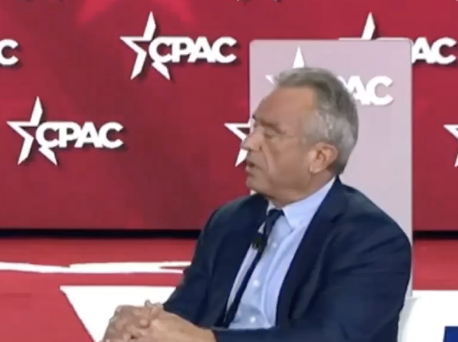
This X post highlights a real policy shift under Secretary Robert F. Kennedy Jr. (HHS) as part of the “Make America Healthy Again” (MAHA) agenda. It references the first day hospitals must comply with strengthened CMS Hospital Price Transparency rules (finalized November 2025 in the CY 2026 OPPS/ASC Final Rule). These build on the 2021 rules but add teeth through executive accountability and better data. RFK Jr.’s statement in the attached video (from a CPAC interview) and the post—”If hospitals mislead patients or fail to disclose actual prices, we will hold them accountable”—aligns with the new rules. Hospitals now have to post more usable pricing data, and leadership is on the hook for accuracy.
🚨 JUST IN: In a huge victory, Sec. RFK Jr. confirmed today is the first day ALL hospital executives will be mandated to attest their posted prices are accurate
— QUANTUM GUARD ™️ (@QuantumGuard17) May 7, 2026
"If hospitals mislead patients or fail to disclose actual prices, we will hold them accountable."
I voted for this! pic.twitter.com/4E4JguUzFb
Hospital Price Transparency Rules Update (Effective & Enforced 2026)
This is part of the MAHA (Make America Healthy Again) push under HHS Secretary Robert F. Kennedy Jr. The X post highlights the first day of stronger enforcement for CMS Hospital Price Transparency rules. Hospitals must now post clearer, more usable pricing data, and executives are directly tied to its accuracy.
Executive Accountability
Yes, it makes executives personally responsible in a practical sense.
- The hospital’s CEO, president, or designated senior official must be named in the main machine-readable file.
- They must formally attest that the pricing data is “true, accurate, and complete” to the best of their knowledge.
- This replaces weaker prior language.
What it does NOT do: It does not impose personal fines or jail time on executives. Civil penalties still go to the hospital (thousands per day possible for serious violations). However, naming leaders + required attestation means executives can no longer hide behind compliance teams. RFK Jr. has signaled aggressive enforcement, audits, and public accountability for misleading or hidden data. This raises reputational and board-level risk for non-compliant hospitals.
What Prices Were Already Available (But Obscure)
Since January 2021, hospitals have been required to post:
- A massive machine-readable file (often huge CSVs) with charges for all services.
- A “shoppable services” list for ~300 common procedures (easier to read).
Reality: Many hospitals posted data that was hard to find, in bad formats, used vague “estimates,” or buried links. Consumers and researchers struggled to compare real costs.
What the New 2026 Rules Actually Change
(From the CY 2026 Outpatient Prospective Payment System final rule)
- Real negotiated rates instead of estimates: Hospitals must now report actual allowed amounts insurers paid in the prior year — specifically the median, 10th percentile, and 90th percentile of payments, plus how many claims the numbers are based on. This comes from real claims data.
- Standardized format: All hospitals use the same CMS template/schema (version 3). Much easier for price-comparison apps, researchers, and patients to use.
- Better identification: Hospitals must include their National Provider Identifier (NPI).
- Shoppable services remain, but the overall data quality improvement makes them more useful.
In-network vs. out-of-network:
Yes, they are different and now clearer.
- In-network: Your insurance company’s negotiated rate with that hospital (usually the lowest you’ll pay after deductible). The new data shows what insurers actually paid.
- Out-of-network: Higher “list” or gross charges, or whatever the hospital bills you directly. Often much more expensive.
- Cash/self-pay: Separate “cash price” that hospitals must also list — sometimes lower than insured rates.
You can now better compare:
- What your insurer typically pays at Hospital A vs. Hospital B.
- Cash price vs. your out-of-pocket after insurance.
User’s Guide: How This Affects You
- Before a procedure: Search the hospital’s website for “price transparency” or “machine readable file.” Look for the standardized 2026 file.
- Use tools: Free or low-cost sites/apps that scrape these files (e.g., Turquoise Health, PatientRightsAdvocate.org tools, or hospital comparison sites) will become far more accurate.
- Ask your insurer: Share the hospital’s data and ask for your specific plan’s estimated out-of-pocket.
- Shop around: For non-emergency care (imaging, elective surgery, labs), compare 2–3 hospitals. Cash prices or out-of-network sometimes beat high-deductible insurance.
- Complaints: If data is missing, misleading, or hard to find, report to CMS. Enforcement is now stronger.
Real-world impact:
- More price shopping → downward pressure on prices.
- Employers and insurers can negotiate better.
- Patients with high-deductible plans or no insurance benefit most.
- Hospitals that overcharged will face competitive pressure.
Trump Admin Big Pharma Drug Price Deal + MAHA Health Pricing Guide
In parallel, the Trump administration reached agreements with pharmaceutical companies to align U.S. drug prices closer to international (often much lower) levels for certain drugs. This is separate from hospital rules but part of the same transparency + competition push.
Combined MAHA Pricing Playbook for Patients:
- Drugs: Check the new lower negotiated prices via HHS/CMS announcements or your pharmacy. Use GoodRx, Mark Cuban Cost Plus, or international mail-order where legal for comparison.
- Hospitals & Procedures: Use the new transparent files + shoppable lists.
- Labs & Imaging: Freestanding centers are often dramatically cheaper than hospital-based — compare both.
- Overall Strategy:
- Get the cash price first.
- Ask for “insurance carve-out” or self-pay discount.
- Use transparent data to negotiate with your insurer or hospital.
- For chronic conditions, look at direct primary care or cash-pay clinics.
This is a shift from total opacity to usable information + executive skin in the game. It won’t make healthcare cheap overnight, but it gives patients and employers real tools to shop and pressure providers. Expect more price visibility and gradual moderation in costs as competition increases.