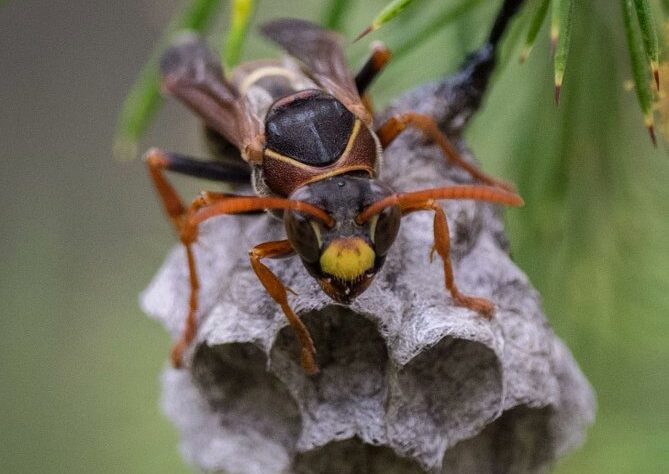
Key Numbers and Breakdown
- North America has roughly 18,000 wasp species (estimates vary but align with common figures; worldwide totals exceed 100,000).
- Only a tiny fraction—around 20 or so—are the aggressive social species that commonly sting people and “ruin picnics.”
- These belong to the family Vespidae (yellowjackets, paper wasps, hornets), making up less than 1% of North American wasps. They build visible nests and defend them vigorously, which is why people remember bad encounters.
There are about 18,000 species of wasps in North America. Roughly 20 of them can hurt you.
— Give A Shit About Nature (@giveashitnature) June 7, 2026
The wasps people fear are all from one family: Vespidae. They make up less than 1% of wasp species on the continent. They build the visible nests, they defend them aggressively, and… pic.twitter.com/auMAAvVI0r
The Overlooked Majority (99%)The rest are mostly solitary wasps. They generally ignore humans entirely:
- Many cannot sting (or have stingers but rarely use them on people, as they lack nests to defend).
- Instead, they act as highly effective natural pest controllers.
Beneficial Roles and ExamplesThese wasps hunt or parasitize insects (and spiders), providing massive ecological and agricultural value:
- Mud daubers: Stock nests with paralyzed spiders (including black widows and brown recluses).
- Braconid wasps: Lay eggs in pests like tomato hornworms; larvae consume the host from inside.
- Ichneumon wasps: There are over 5,000 described species in North America (with estimates of many more), plus tens of thousands worldwide. They target wood-boring beetles (e.g., those damaging ash trees), among others.
- Cuckoo wasps: Act as “nest parasites,” infiltrating other wasps’ or bees’ nests.
- Many species specialize in aphids, caterpillars, beetle grubs, flies, and more.
Parasitic wasps (often tiny and unseen) play a major role in controlling agricultural pests naturally, reducing the need for interventions. They help keep entire insect orders in check.Bottom LineThe handful of social Vespidae species that cause trouble in late summer are real and worth respecting (avoid disturbing nests). But the vast majority—17,995+ species—are silent heroes running “pest control infrastructure” across the continent. They deserve far more appreciation than fear.This perspective is well-supported by entomological sources and promotes a more informed, less panicked view of these insects. If you’re dealing with specific wasps in your area, focus on nest avoidance for the social ones and habitat support (native plants, etc.) for the beneficial solitaries.
